
Add us as your preferred source on Google to see more of our content in Search.
 Add to Preferred Sources
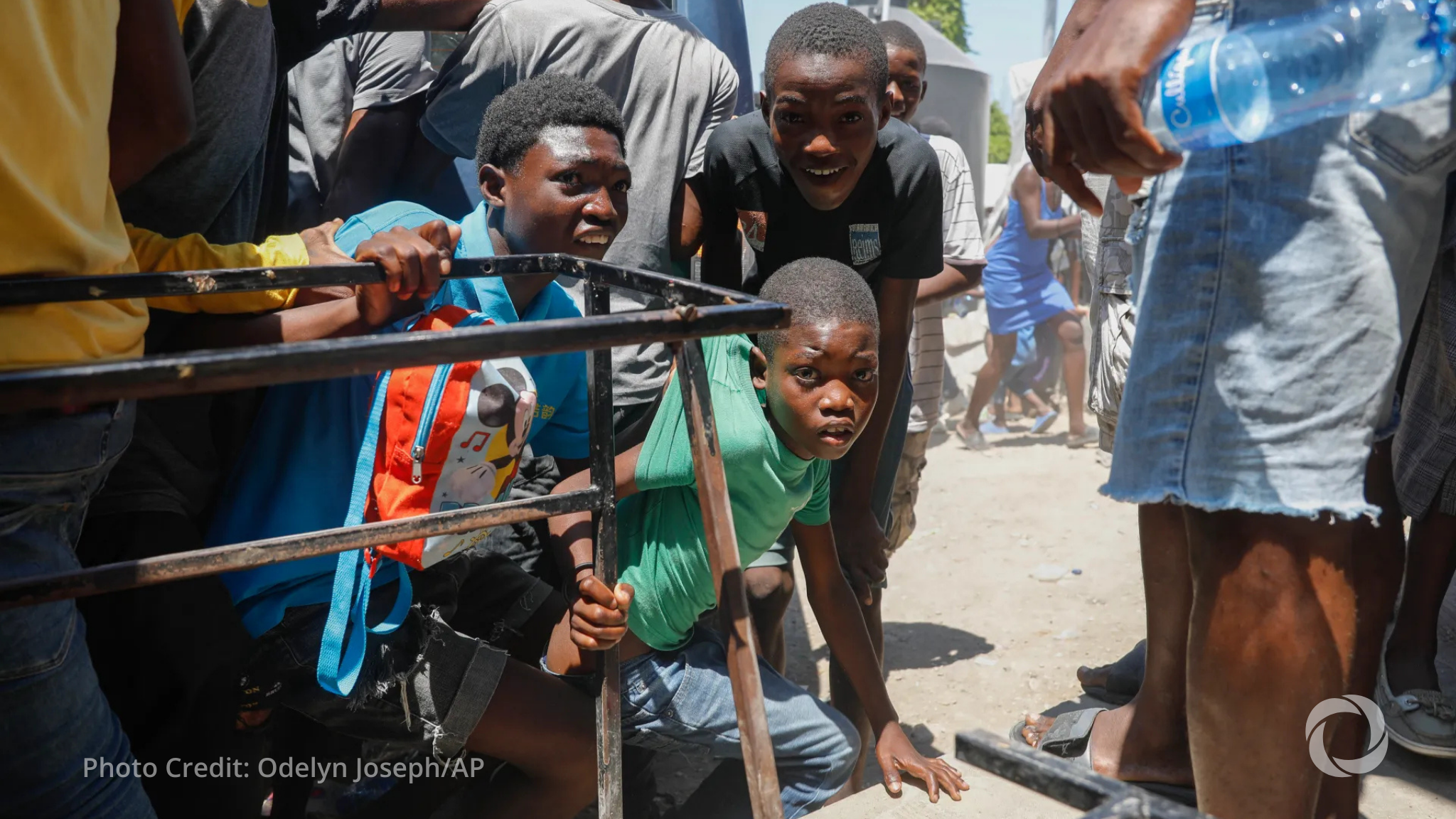
The number of children in Haiti recruited and used by armed groups has skyrocketed by an estimated 200 percent in 2025, reflecting a growing reliance on the exploitation of children amid ongoing violence by armed groups, the United Nations Children’s Fund (UNICEF) said. The situation for children in Haiti remains critical. More than 1.4 million people are internally displaced, over half of them children facing overlapping crises, including armed violence, natural disasters, and extreme poverty.
“Children’s rights are non-negotiable,” said UNICEF Executive Director Catherine Russell. “Every child must be protected. And every child recruited or used by armed groups must be released and supported so they can heal, return to learning, and rebuild their future.”
Recruitment and use of children by armed groups constitutes a grave violation of their rights, and enlisting children of any age into armed groups is a breach of international law.
Children in Haiti are often forced to join armed groups to support their families or after receiving direct threats to themselves or loved ones, while others are recruited after being separated from their families, turning to armed groups as a means of survival and protection. Since the signing of the Handover Protocol in January 2024, UNICEF and child protection actors were able to verify and support more than 500 children associated with armed groups with specialized protection and reintegration services across Haiti.
UNICEF calls on national authorities and all relevant stakeholders to strengthen child protection systems, ensure safe and sustained access to essential services, and reinforce family tracing and reunification support when this is in the child’s best interests and can be done safely.
“Children associated with armed groups must not be treated as perpetrators,” said Russell. “They must receive appropriate reintegration services and be protected from additional risks, stigma, or retaliation.”