
Add us as your preferred source on Google to see more of our content in Search.
 Add to Preferred Sources
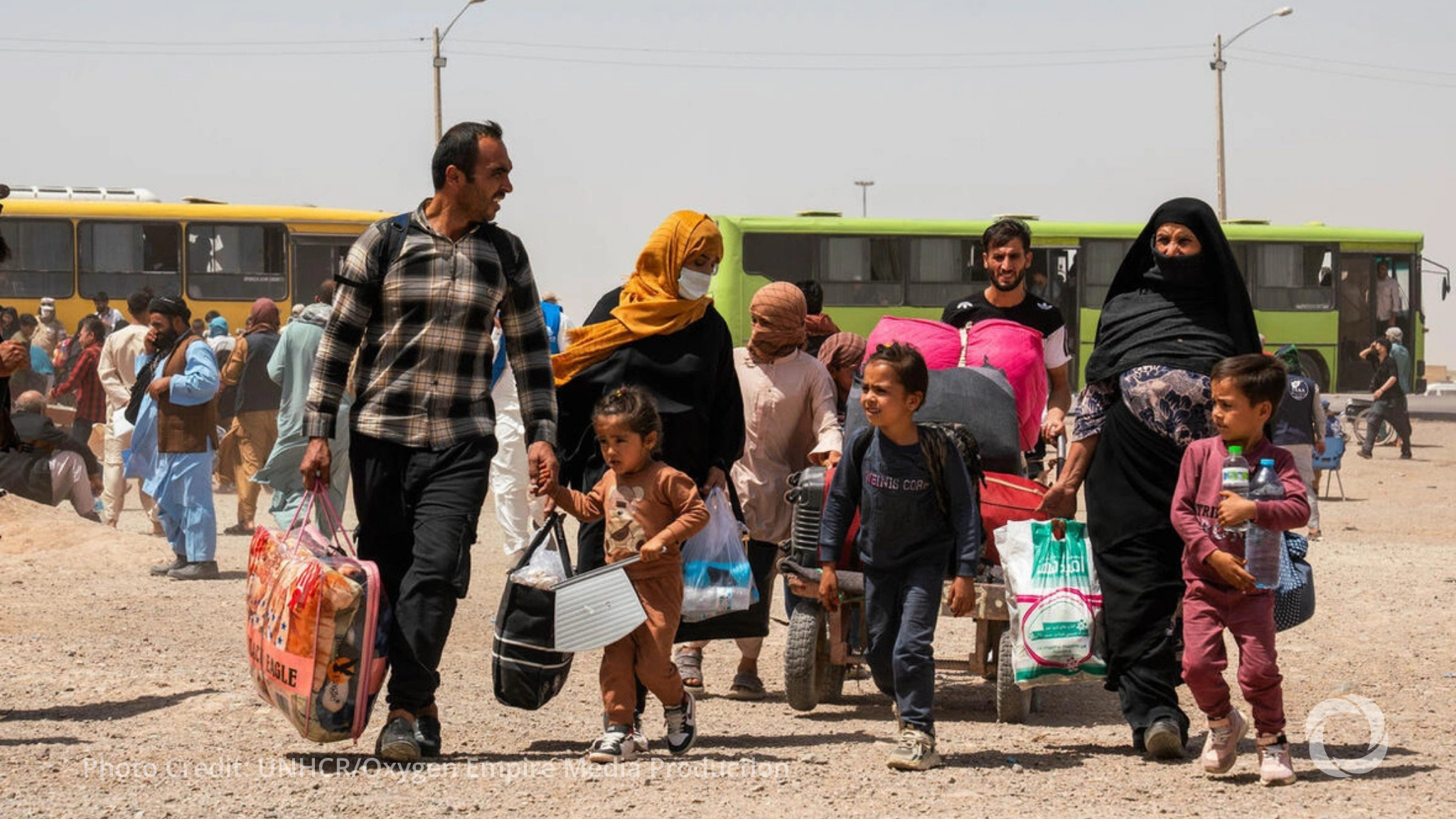
Large numbers of Afghans are returning or being forced to return from neighboring countries in extremely difficult circumstances, the UN Refugee Agency (UNHCR), announced. So far this year, nearly 150,000 Afghans have come back from Iran and Pakistan. These arrivals add to already massive returns—2.9 million people in 2025 alone, bringing the total to some 5.4 million since October 2023.
The pace and size of these returns have pushed Afghanistan deeper into crisis. The country is dealing with a worsening humanitarian and human rights situation—especially for women and girls—a weak economy, and repeated natural disasters. A recent World Bank report found that rapid population growth from the returns caused a 4 percent drop in GDP per capita in 2025. The high number of returns this year is especially worrying given the harsh winter, with freezing temperatures and heavy snowfall across much of the country.
UNHCR’s recent survey of returnees shows the tough challenges they face. Just over half said they could find some form of work, even if informal. For women, that figure drops to less than a quarter. More than half of returnee families have no civil documentation—like identity cards to prove who they are or where they’re from—and over 90 percent are living on less than $5 a day.
“We are deeply concerned about the sustainability of these returns,” UNHCR said. While 5 percent of returnees surveyed say they plan to leave Afghanistan again, more than 10 percent know a relative or community member who has already left since returning. These choices aren’t driven by a desire to leave, but by the reality that many can’t rebuild a workable and dignified life.
With this dire humanitarian situation and rapidly growing population, Afghanistan urgently needs more support in 2026 to scale up help and invest in reintegration. For 2026, UNHCR needs $216 million to support displaced people and returnees across Afghanistan. The response is currently just 8 percent funded.