
Add us as your preferred source on Google to see more of our content in Search.
 Add to Preferred Sources
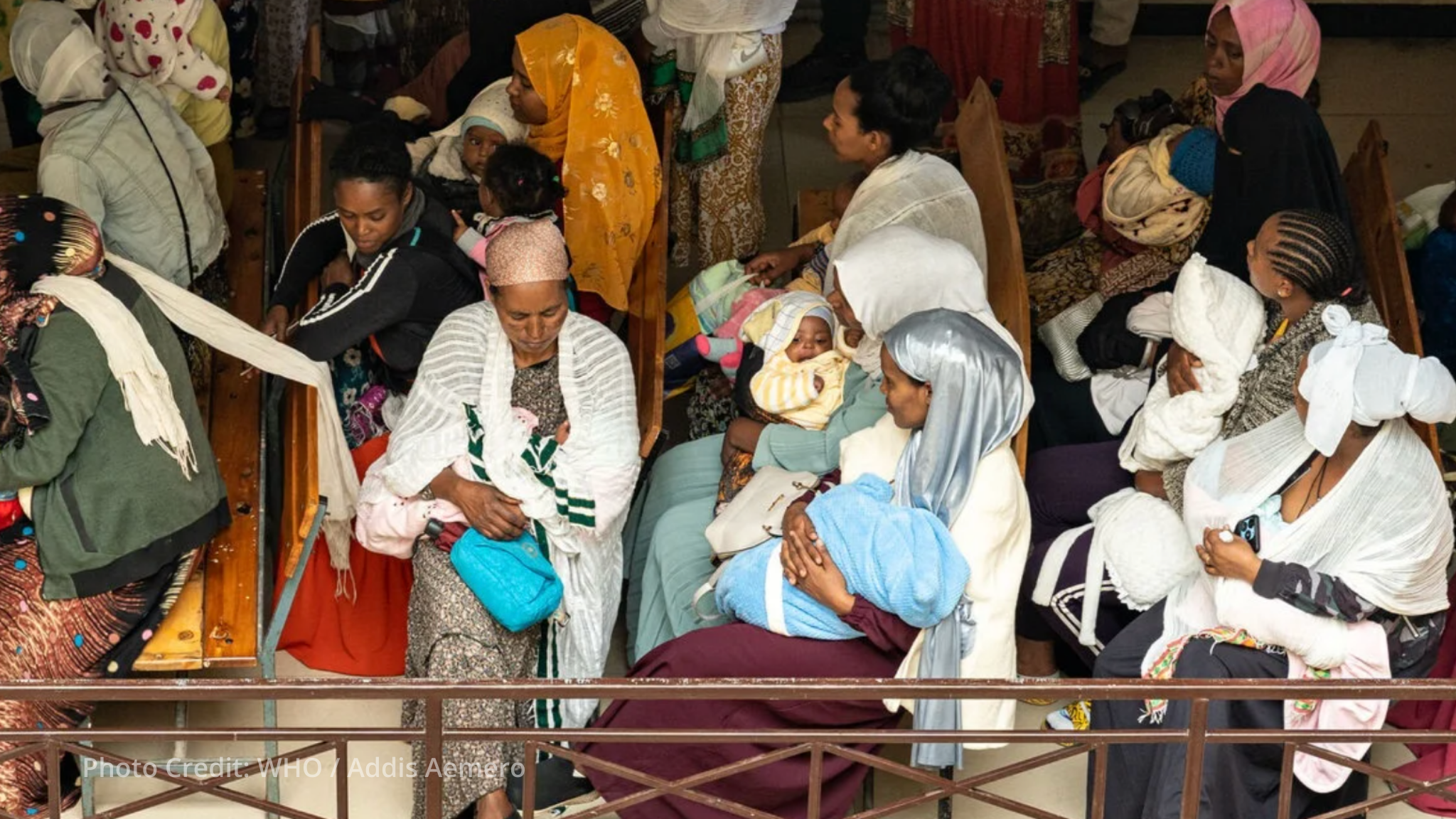
Pregnancy is becoming much riskier in countries facing war and instability, according to a new analysis from the World Health Organization (WHO) and the HRP research programme. Nearly two-thirds of all maternal deaths now occur in fragile or conflict-affected settings, even though these places account for only about one in ten of the world’s births.
The brief shows just how steep the risk gap has become. In conflict-affected countries, an average of 504 women die for every 100,000 live births. In institutionally or socially fragile states, the figure is 368, compared with 99 in more stable countries. For a 15-year-old girl, that translates into a lifetime risk of dying from a maternal cause of 1 in 51 in conflict areas, 1 in 79 in fragile settings and 1 in 593 in relatively stable contexts.
WHO and HRP say the numbers confirm what frontline workers see every day: crises disrupt antenatal care, skilled birth attendance and emergency obstetric services. On top of that, factors like gender discrimination, ethnicity, age and migration status can further increase the danger for some women and girls.
The publication also showcases ways countries are trying to keep women safe in the middle of instability. Examples from Colombia, Ethiopia, Haiti, Myanmar, Papua New Guinea and Ukraine highlight approaches such as training trusted local birth attendants, deploying mobile teams, renovating damaged facilities, adding midwives and removing cost barriers for lifesaving care.
By linking maternal mortality data to different types of fragility, WHO and partners want to help governments and donors target support where it is needed most. They call for stronger primary health care, better data from hard-to-reach areas and more resilient health systems that can continue providing safe maternity care even when shocks and crises hit.