
Add us as your preferred source on Google to see more of our content in Search.
 Add to Preferred Sources
The United Nations (UN) and humanitarian partners have launched a US$67.8 million Cyclone Flash Appeal to provide urgent assistance to 486,012 people in Madagascar, according to UN officials. The funding will support life‑saving aid for communities hit by two powerful storms that struck in quick succession, damaging homes, crops and basic services.
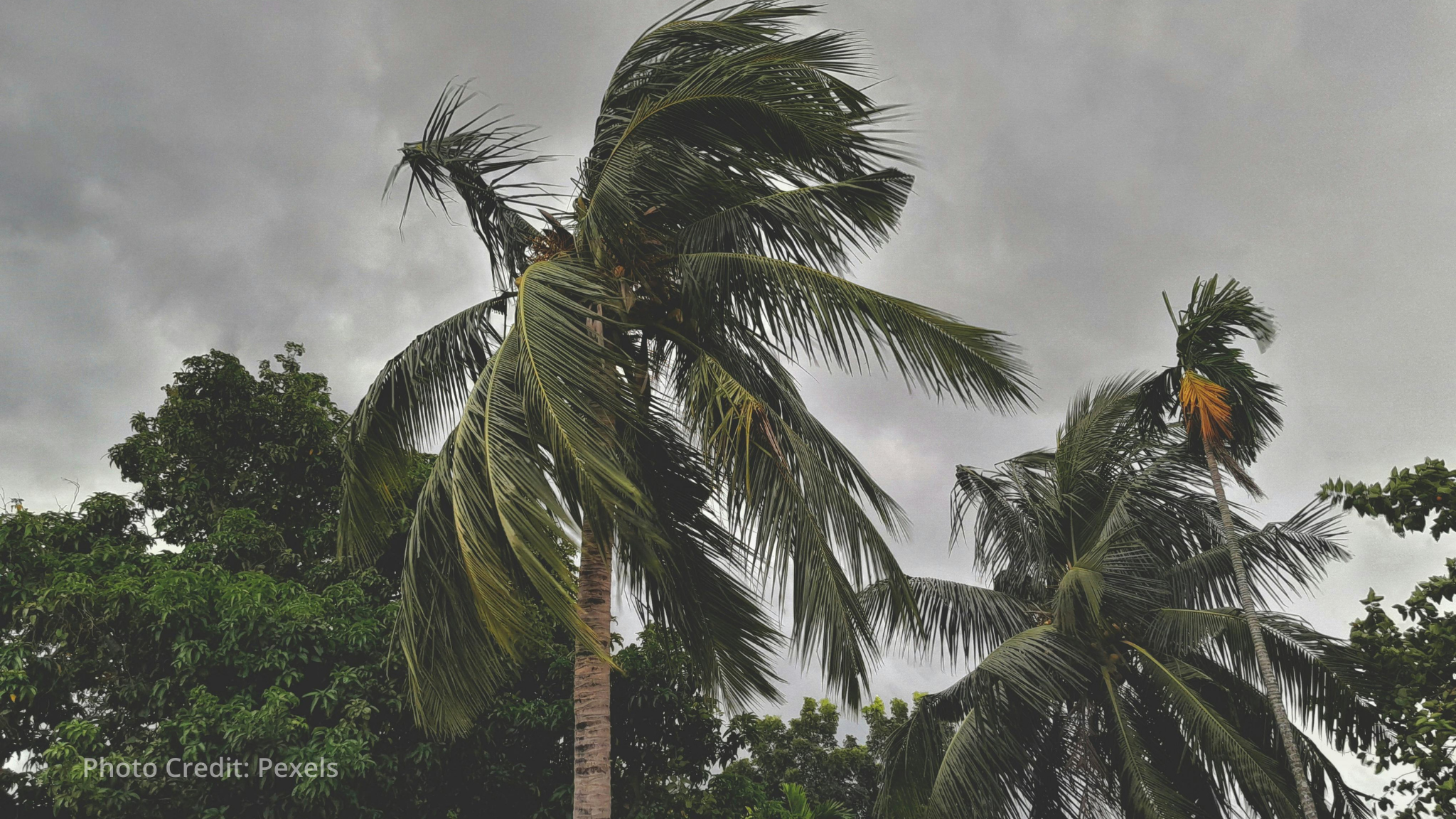
Tropical Cyclone Fytia made landfall on 31 January, followed by Tropical Cyclone Gezani near Toamasina on 10 February, bringing torrential rain, high winds and severe flooding across large parts of the country. In total, more than 681,000 people have been affected. At least 59 people are reported to have died due to Cyclone Gezani alone, over 800 have been injured, and some 35,000 people have been displaced, including 3,200 sheltering in 19 temporary sites.
Damage to housing, schools, health facilities, roads and other infrastructure has disrupted essential services and cut off many communities. The destruction of agricultural land and crops is expected to deepen food insecurity in the months ahead, while flooding and overcrowded shelters are increasing the risk of waterborne diseases. UN Resident Coordinator Anthony Ngororano warned that families have lost homes, livelihoods and food sources, stressing that immediate support is critical to protect the most vulnerable.
The Government of Madagascar is leading the response, with the UN and aid agencies providing food assistance, safe water and sanitation, health care, nutrition support, protection services and emergency shelter. Despite a rapid mobilization, responders say capacity is stretched by access challenges and limited supplies, and warn that needs are still rising as assessments continue.
The Flash Appeal seeks US$67.8 million to cover urgent needs over the next three months and forms part of a wider US$142 million Government appeal launched on 14 February, which also includes early recovery and reconstruction priorities. UN officials are urging donors to disburse funds quickly and flexibly so life‑saving assistance can reach cyclone‑affected communities without delay.