
Add us as your preferred source on Google to see more of our content in Search.
 Add to Preferred Sources
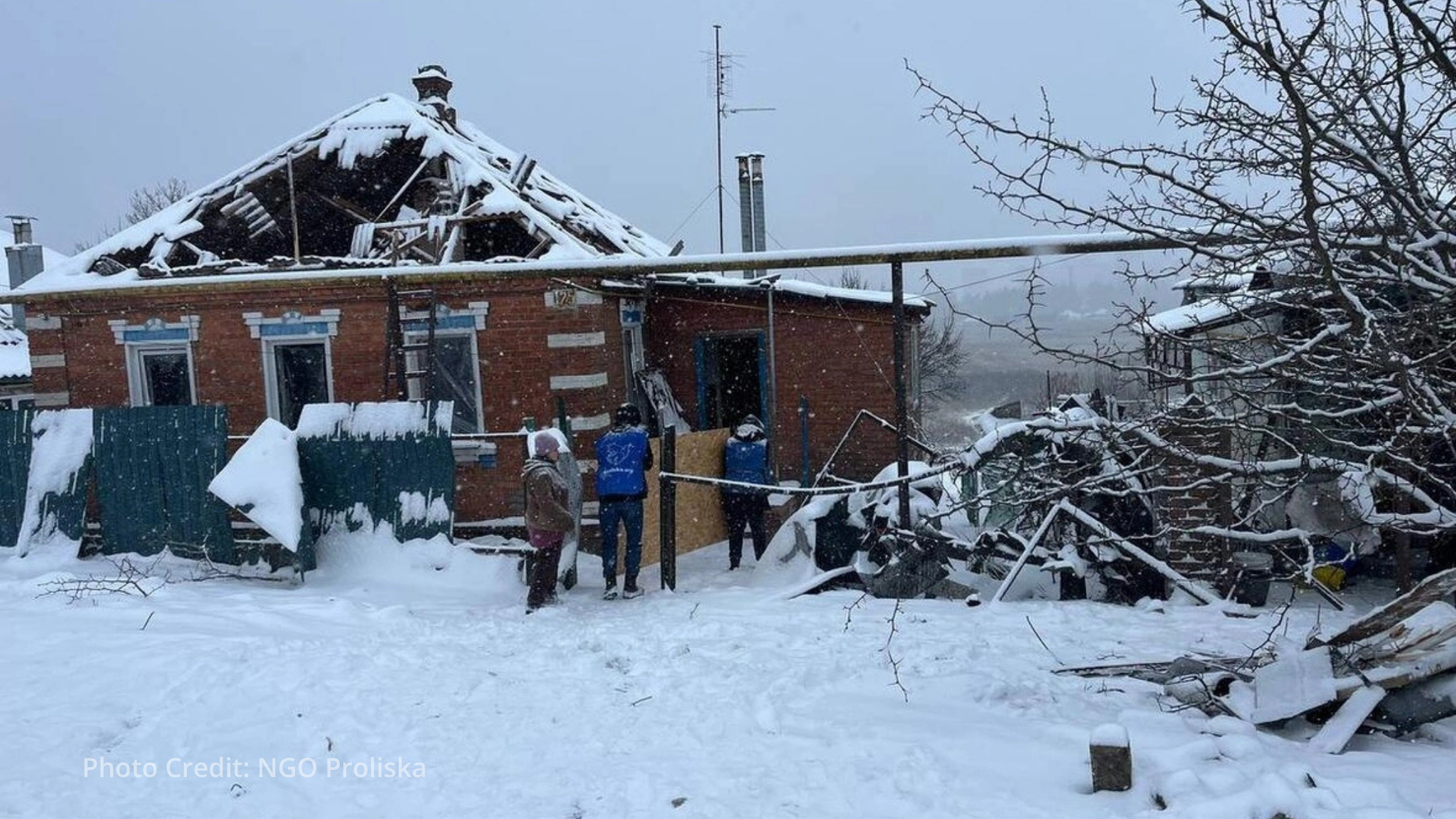
Millions of Ukrainians are heading into a new year of displacement and uncertainty after surviving one of the most brutal winters in a decade, according to a briefing note from the UN Refugee Agency (UNHCR). Relentless attacks on housing, power systems and essential services left millions without heat or electricity for weeks on end, and while temperatures are slowly rising, the damage to infrastructure and lives runs deep.
Inside Ukraine, an estimated 10.8 million people need humanitarian assistance in 2026 and 3.7 million remain internally displaced. Communities are patching up homes, restoring services and rebuilding livelihoods with support from UNHCR and partner NGOs, but four years of war have stretched resilience close to its limits. Sustained aid remains critical, alongside larger-scale recovery and reconstruction efforts that can prevent further displacement and create conditions safe enough for people to return.
Abroad, 5.9 million Ukrainians are still living as refugees, mainly across Europe. Host countries have provided protection, education, healthcare and work opportunities at an unprecedented scale, and evidence shows refugees are contributing meaningfully to their new communities. In Poland alone, a UNHCR and Deloitte analysis found that Ukrainian refugees’ net contribution amounted to 2.7% of Polish GDP in 2024. More investment in language training and credential recognition, UNHCR says, would further improve refugees’ access to decent work and self-reliance across the region.
With no clear end to the war in sight, UNHCR is urging host states to go beyond temporary protection and explore longer-term arrangements for those who cannot realistically return in the near future. For the most vulnerable in particular — people with disabilities, older adults and those with severe trauma — stable legal status and social support are not optional extras. They are essential for survival and dignity.
When conditions allow, voluntary and gradual returns will be central to Ukraine’s longer-term recovery. UNHCR is already working with the government and partners to restore documents, rehabilitate social infrastructure and repair war-damaged homes, as well as studying refugee return intentions to feed into planning. In 2026, the agency aims to assist a further 2 million people inside Ukraine and support 1.7 million refugees and their host communities abroad, subject to sufficient funding.