
Add us as your preferred source on Google to see more of our content in Search.
 Add to Preferred Sources
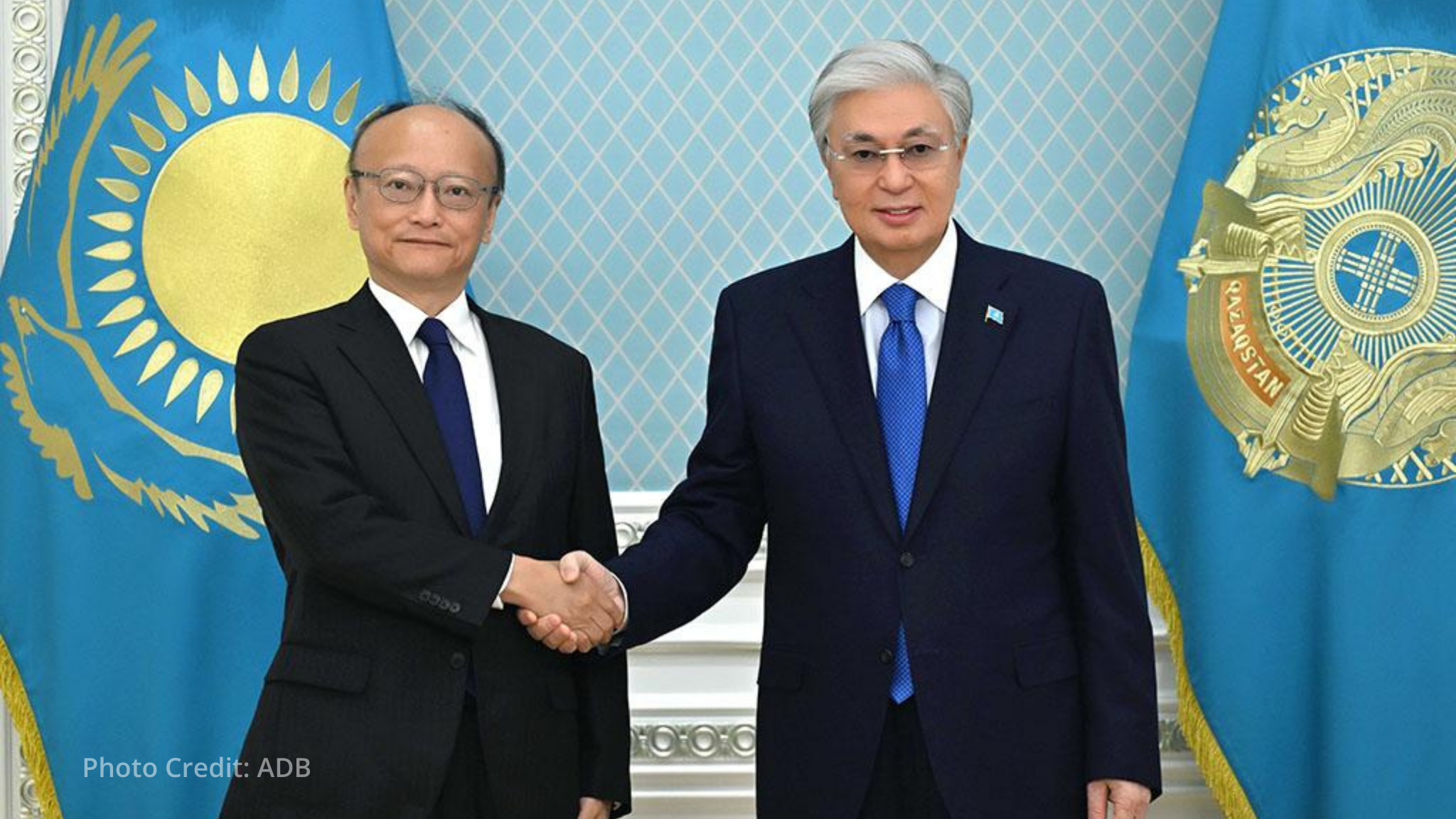
The Asian Development Bank (ADB) has announced up to $5.4 billion in planned financing for Kazakhstan over the 2026–2029 period, following a meeting between ADB President Masato Kanda and Kazakhstani President Kassym-Jomart Tokayev in Astana, the bank confirmed. The commitment was formalised in a memorandum of understanding covering key priorities including regional cooperation, disaster resilience and reducing development disparities across the country.
Kazakhstan has been an ADB member since 1994, and the bank has committed $7.7 billion in loans, grants and technical assistance to the country over that period across sectors ranging from transport and energy to public finance and financial services. The new financing package signals a significant step up in that partnership, reflecting Kazakhstan’s ambitions to modernise its economy and attract greater private investment. During the visit, Kanda also witnessed the signing of a $377 million loan agreement for the Saryagash Bypass Project, which is set to strengthen Kazakhstan’s trade and transport connectivity across the region.
“ADB is committed to supporting Kazakhstan’s development priorities that promote sustainable, inclusive economic growth,” said Kanda, adding that cooperation with both government and the private sector would help deliver “lasting benefits for the people of Kazakhstan.”
He also commended the country’s ongoing structural reforms aimed at strengthening public finances and improving the investment climate.
Kanda held separate meetings with Prime Minister Olzhas Bektenov and Deputy Prime Minister Serik Zhumangarin, where discussions touched on infrastructure modernisation, public-private partnerships and emerging opportunities in digital transformation and the critical minerals sector — an area of growing strategic importance for both Kazakhstan and its international partners.
The breadth of the financing agenda, spanning infrastructure, climate resilience and digital development, points to a relationship that is expanding well beyond traditional project lending into longer-term strategic cooperation.