
Add us as your preferred source on Google to see more of our content in Search.
 Add to Preferred Sources
The European Commission has adopted two new strategies — an EU Industrial Maritime Strategy and an EU Ports Strategy — aimed at boosting competitiveness, accelerating decarbonization, and strengthening security across Europe’s waterborne sector, as outlined in an official statement published by the Commission. The twin strategies cover ports, shipping, and shipbuilding, and arrive at a moment when Europe’s maritime sector faces mounting pressure from global rivals, climate targets, and evolving security threats. Together, they lay out a broad action plan to keep Europe at the top of a sector it has long dominated.
Europe is no small player on the water. It holds the world’s largest collective maritime area, leads globally in high-end shipbuilding and advanced marine technologies, and its shipping companies account for more than a third of global shipping tonnage. That leadership, however, cannot be taken for granted — and the Commission is clearly signaling it intends to defend and build on it.
The Industrial Maritime Strategy centers on innovation, jobs, and fair competition. It will launch an EU Industrial Maritime Value Chains Alliance to advance high-tech shipbuilding, offshore wind vessels, underwater drones, and cutting-edge port equipment. A “Shipyards of the Future” research flagship under Horizon Europe will test new technologies in real shipyard environments. The strategy also carries a notable defense dimension, including plans to ramp up naval industrial production and develop a dual-use ferry construction support mechanism — a reflection of how deeply security concerns now run through EU industrial policy.
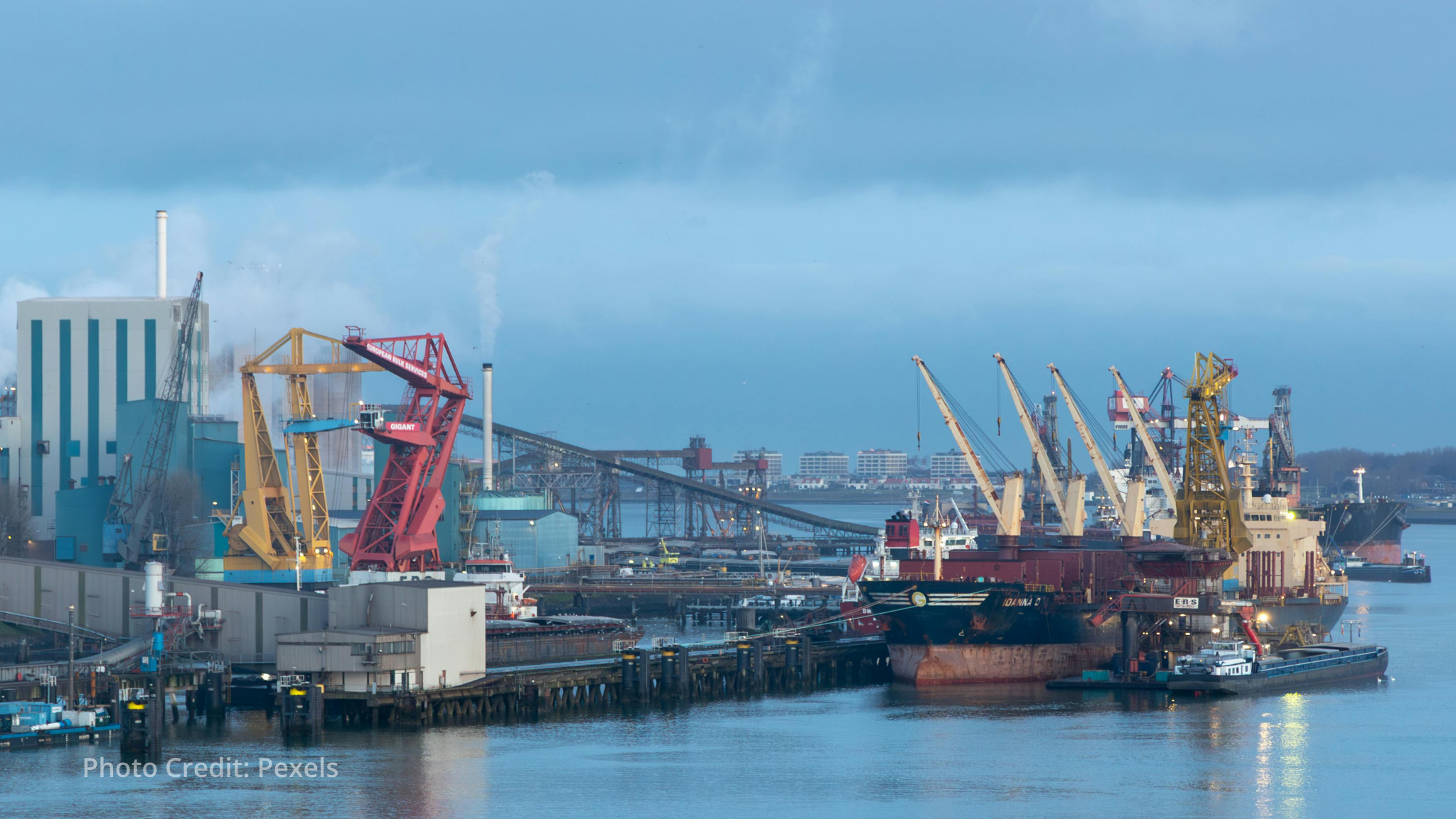
Ports get their own dedicated strategy, and for good reason — they handle around 74% of the EU’s external trade, move more than 3.4 billion tonnes of goods annually, and serve nearly 395 million passengers each year. The Ports Strategy pushes for greater electrification, better grid connections, and deeper integration with broader transport infrastructure. It also takes security seriously, proposing frameworks for port worker background checks, assessments of third-country ports, and a new EU-wide cybersecurity risk assessment to tackle drug trafficking and other emerging threats head-on.
To drive implementation, the Commission will set up a high-level Maritime Industries and Ports Board, chaired by the responsible Commissioner and Executive Vice-Presidents. The message from Brussels is straightforward: Europe’s maritime sector is too strategically important — economically, energetically, and militarily — to be left to drift.