
Add us as your preferred source on Google to see more of our content in Search.
 Add to Preferred Sources
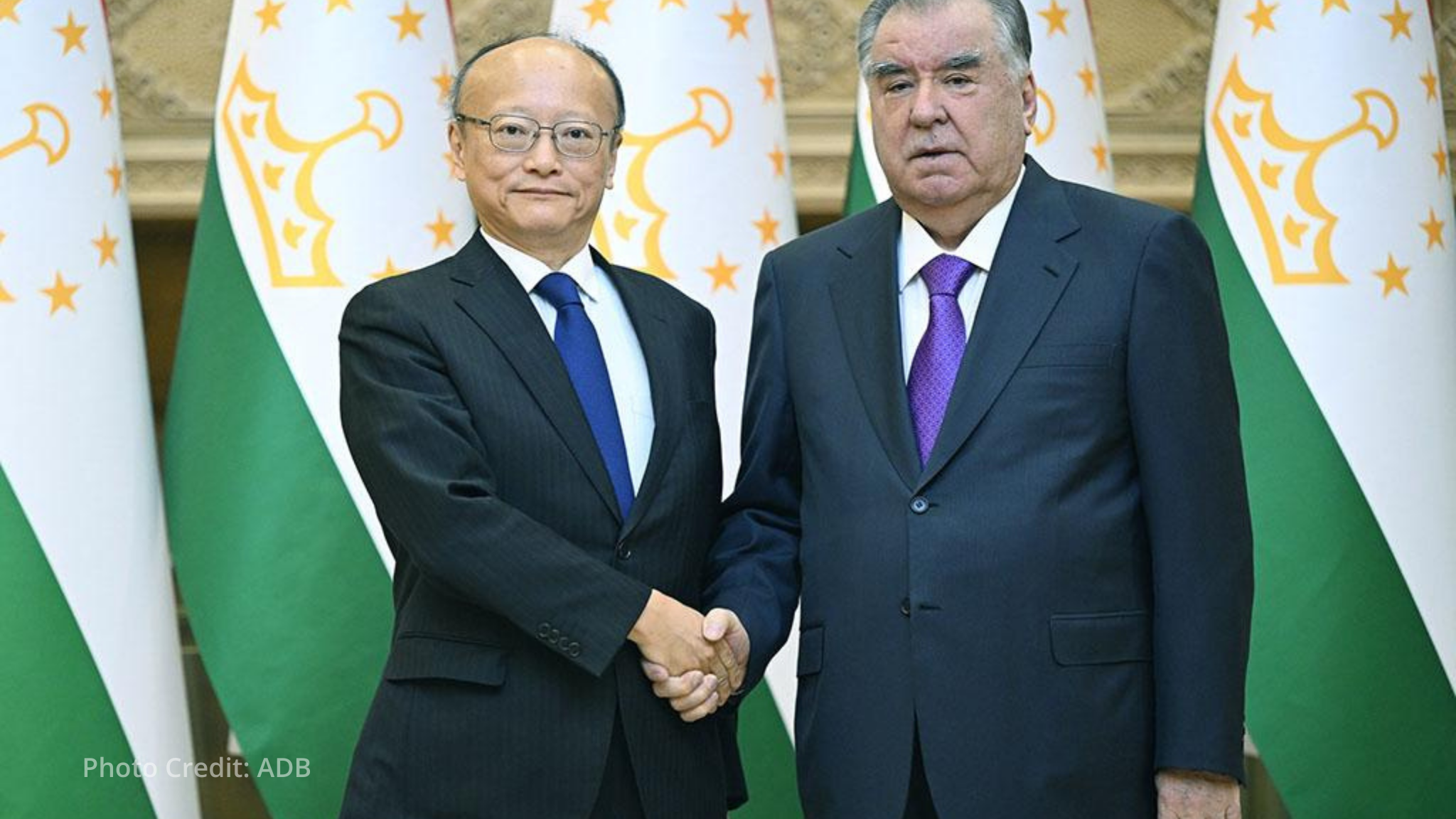
The Asian Development Bank (ADB) has launched a new five-year partnership strategy for Tajikistan, pledging around $1.1 billion in support between 2026 and 2028 to strengthen infrastructure, boost competitiveness, and expand access to social services, as reported in an official statement. ADB President Masato Kanda unveiled the country partnership strategy for 2026–2030 during a visit to Dushanbe, where he met with President Emomali Rahmon and senior government officials to reaffirm the Bank’s long-standing commitment to the country’s development. At the heart of the new strategy is a focus on inclusive growth — and on creating more and better jobs for a young, rapidly growing population.
That demographic reality gives the strategy its urgency. More than half of Tajikistan’s population is under 25, making practical, market-ready education and a dynamic private sector not just economic priorities, but social ones.
Kanda was direct about what the partnership aims to deliver: “We will continue supporting the government’s efforts to build a dynamic private sector that creates jobs, sparks innovation, and supports resilient growth.” During his visit, he toured an ADB-supported skills training center in Dushanbe — one of six centers across the country providing youth and adults with hands-on training in agriculture, green energy, information technology, and tourism, funded through the Asian Development Fund and cofinancing from the Japan Fund for Information and Communication Technology.
ADB’s track record in Tajikistan gives the new strategy a credible foundation. Since the country joined the Bank in 1998, ADB has committed close to $3 billion in development assistance — upgrading roads, modernizing irrigation systems, building hospitals and schools, and rehabilitating the Nurek and Golovnaya hydropower plants.
The 2026–2030 strategy builds on that base with a sharper focus on private sector development and inclusive services — reflecting both where Tajikistan stands today and where it needs to go to absorb a young workforce and sustain long-term growth.