
Add us as your preferred source on Google to see more of our content in Search.
 Add to Preferred Sources
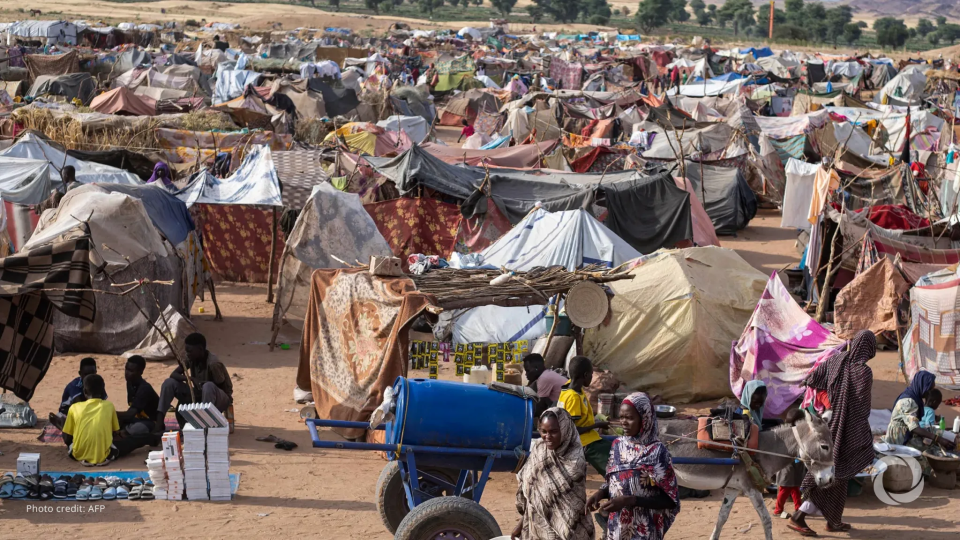
The International Federation of the Red Cross Red Crescent (IFRC) has warned that the humanitarian situation in Chad, Egypt, Ethiopia, South Sudan, and Uganda is deteriorating rapidly due to the ongoing conflict in Sudan, with funding drying up while needs continue to rise. Almost 4.5 million people have now fled Sudan to neighboring countries, placing heavy strain on already fragile systems, according to a press release issued on 17 March 2026. Overcrowded camps and limited funding have deepened humanitarian needs for refugees and host communities across the region.
Pierre Kremer, Deputy Regional Director for Africa, said the Sudan crisis does not stop at its borders. People flee in search of safety but arrive in overcrowded shelters without enough food or clean water, where medicines are running dangerously low. Most people in refugee camps are women and children, and they face a high risk of violence. Floods, drought, skyrocketing food prices, and disease outbreaks mean Sudanese refugees and host communities are repeatedly hit in every aspect of their lives.
More than 450,000 children in South Sudan are at risk of severe acute malnutrition. There are outbreaks of measles and malaria in Ethiopia and in Chad, access to water has become a daily struggle. In eastern Chad, border areas are overcrowded, some refugee sites are full and can no longer receive new arrivals. In Tiné and Adré, thousands of people are awaiting relocation. Two out of three registered refugee children in Chad are not enrolled in school, and many others are severely malnourished.
Food rations have been reduced by half due to lack of funding. A transit center in Renk, South Sudan, hosts 8,000 people, waiting to be relocated to established refugee camps. Many are sleeping in makeshift tents, as the shelters can only accommodate 2,000 people. The South Sudan Red Cross built a female-friendly centre in Renk: a safe and private space where women and girls can meet, dance, and speak confidentially about experiences of gender-based violence. Kremer stated that the IFRC is already experiencing the impact of the conflict in the Middle East, with disruptions to supply chains making it more difficult to deliver essential aid into the country.
Volunteers from the Red Cross and Red Crescent National Societies in Chad, Egypt, Ethiopia, Uganda, and South Sudan, supported by the IFRC, are working to help people, providing clean water, build latrines, psychosocial support, and cash assistance. The IFRC is supporting National Societies to help people survive today, but Kremer said the organization urgently needs international support to help families rebuild tomorrow. He called on governments, institutions, and private partners to act now, warning that without urgent international support, lives will be lost, and the situation will worsen dramatically.