
Add us as your preferred source on Google to see more of our content in Search.
 Add to Preferred Sources
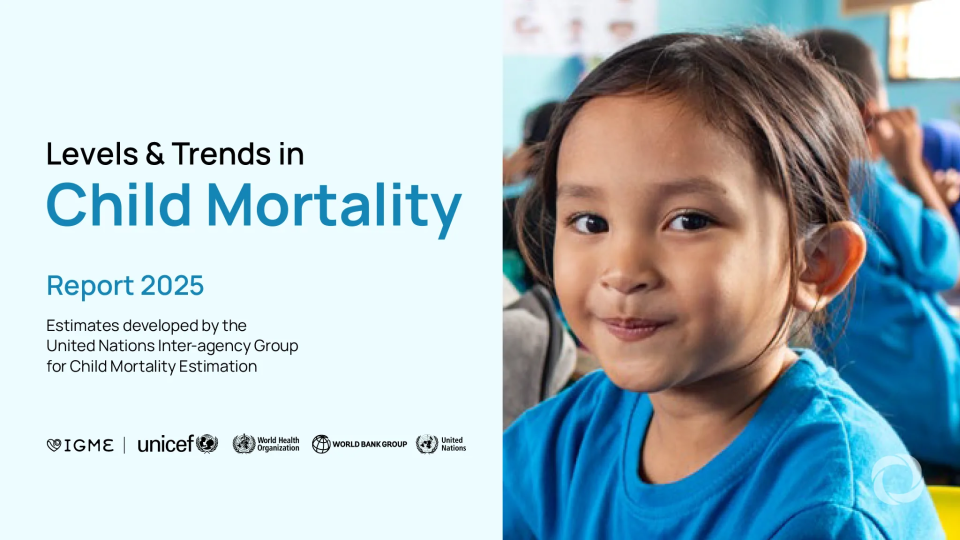
An estimated 4.9 million children died before their fifth birthday in 2024, including 2.3 million newborns, according to new estimates released on March 18, 2026, by UNICEF and partner agencies. The findings appear in the report Levels & Trends in Child Mortality, published by UNICEF. Most of these deaths are preventable with proven, low-cost interventions and access to quality health care. The report also provides, for the first time, fully integrated estimates on the causes of child death. This marks the clearest and most detailed picture yet of how many children, adolescents, and youth are dying and where.
Under-five deaths globally have fallen by more than half since 2000, but since 2015, the pace of reduction has slowed by more than 60 percent. Sub-Saharan Africa accounted for 58 percent of all under-five deaths in 2024, with the nine leading infectious diseases responsible for 54 percent of under-five deaths in the region. Southern Asia accounted for 25 percent of all under-five deaths, driven largely by complications in the first month of life. Children born in fragile and conflict-affected settings are nearly three times more likely to die before their fifth birthday than those elsewhere. Shifts in global development financing, including declining aid, are placing critical maternal, newborn, and child health programs under growing pressure.
Newborn deaths account for nearly half of all under-five deaths. Leading causes among newborns were complications from preterm birth at 36 percent and complications during labour and delivery at 21 percent. Beyond the first month, malaria remained the single largest killer at 17 percent, with most deaths occurring in endemic areas of sub-Saharan Africa. The report also estimates that more than 100,000 children aged 1–59 months — or 5 percent — died directly from severe acute malnutrition in 2024. Countries with the highest numbers of direct deaths from severe acute malnutrition include Pakistan, Somalia, and Sudan.
An estimated 2.1 million children, adolescents, and youth aged 5–24 also died in 2024, with self-harm as the leading cause of death among girls aged 15–19 and road traffic injuries among boys.
“No child should die from diseases that we know how to prevent. But we see worrying signs that progress in child survival is slowing — and at a time where we’re seeing further global budget cuts,” said UNICEF Executive Director Catherine Russell.
Evidence shows that every dollar invested in child survival can generate up to twenty dollars in social and economic benefits. The report calls on governments, donors, and partners to make child survival a political and financing priority. It also urges a focus on those at highest risk, especially in sub-Saharan Africa, Southern Asia, and conflict-affected settings.
The report calls for strengthened accountability for existing commitments to reduce maternal, newborn, and child deaths, including transparent data collection, tracking, and reporting. Investing in primary health care systems — through community health workers and skilled care at birth — is identified as essential to preventing, diagnosing, and treating leading causes of child death. Proven, low-cost interventions such as vaccines, treatment for malnutrition, and skilled healthcare personnel at birth deliver some of the highest returns in global health. The UN Inter-agency Group for Child Mortality Estimation (UN IGME), led by UNICEF and including the World Health Organization, the World Bank Group, and the Population Division of the United Nations Department of Economic and Social Affairs, produced these estimates. Sustained investment and renewed political commitment remain central to accelerating progress and saving children’s lives.