
Add us as your preferred source on Google to see more of our content in Search.
 Add to Preferred Sources
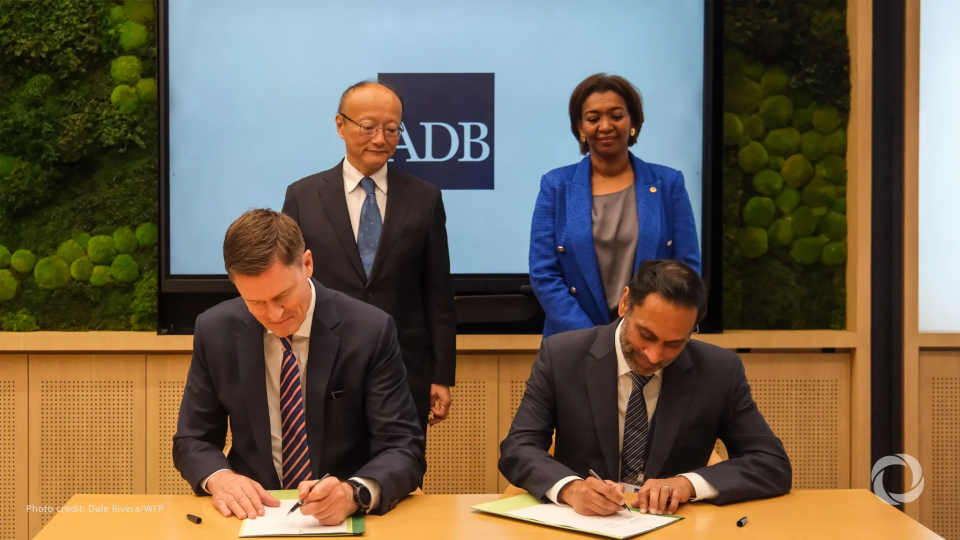
The United Nations World Food Programme (WFP) and the Asian Development Bank (ADB) signed a Cooperation Arrangement on March 17, 2026, at the Asia and the Pacific Food Systems Forum 2026, according to a press release by WFP. The agreement commits both organizations to joint work on food systems transformation, emergency assistance, and nutrition-sensitive policies. The partnership aims to address food insecurity and build resilience across the Asia-Pacific region.
Asia and the Pacific account for over one in five of the world’s hungry population, with 69 million people facing acute food insecurity, according to WFP’s latest Global Outlook on food insecurity. The agreement comes as the region faces growing threats from conflict, climate shocks, and economic volatility. Both organizations identified the need to protect vulnerable communities and strengthen climate resilience as core drivers of the collaboration.
The partnership will focus on five key areas: food systems transformation, emergency assistance, analytical and knowledge products, policy support and dialogue, and capacity development. Efforts will aim to diversify agricultural production, strengthen value chains, and improve access to safe and affordable nutritious food. WFP and ADB will also work to integrate nutrition objectives into national strategies while promoting behavior change to improve diets and health outcomes. Emergency relief and livelihood recovery in fragile and conflict-affected settings will be prioritized, combining immediate food assistance with medium-term resilience-building measures.
ADB Vice-President for Sectors and Themes Fatima Yasmin said:
“By combining ADB’s investment capacity with WFP’s operational reach, we can scale solutions that improve food security and nutrition, particularly for the most vulnerable communities.”
WFP Assistant Executive Director for Partnerships and Innovation Rania Dagash-Kamara added that the partnership marks “a pivotal step in our shared mission to end hunger and malnutrition in Asia and the Pacific.” Both statements underline the complementary roles each institution brings to the collaboration.
The agreement also emphasizes generating evidence-based knowledge products and operational tools to guide policy and program design. WFP and ADB will foster policy dialogue across agriculture, climate, and rural development agendas to create an enabling environment for nutrition-sensitive food systems. Capacity development initiatives will strengthen the institutional and technical capabilities of governments and local stakeholders to scale up interventions.