
Add us as your preferred source on Google to see more of our content in Search.
 Add to Preferred Sources
An estimated 4.9 million children died before reaching age five in 2024, including 2.3 million newborns, according to new estimates released by WHO, UNICEF, and partner agencies, as reported in an official statement published by the World Health Organization (WHO). The report — Levels & Trends in Child Mortality — finds that while under-five deaths have fallen by more than half since 2000, the pace of that progress has slowed by over 60% since 2015. Most of these deaths remain preventable with proven, low-cost interventions. The gap between what is possible and what is actually happening is widening.
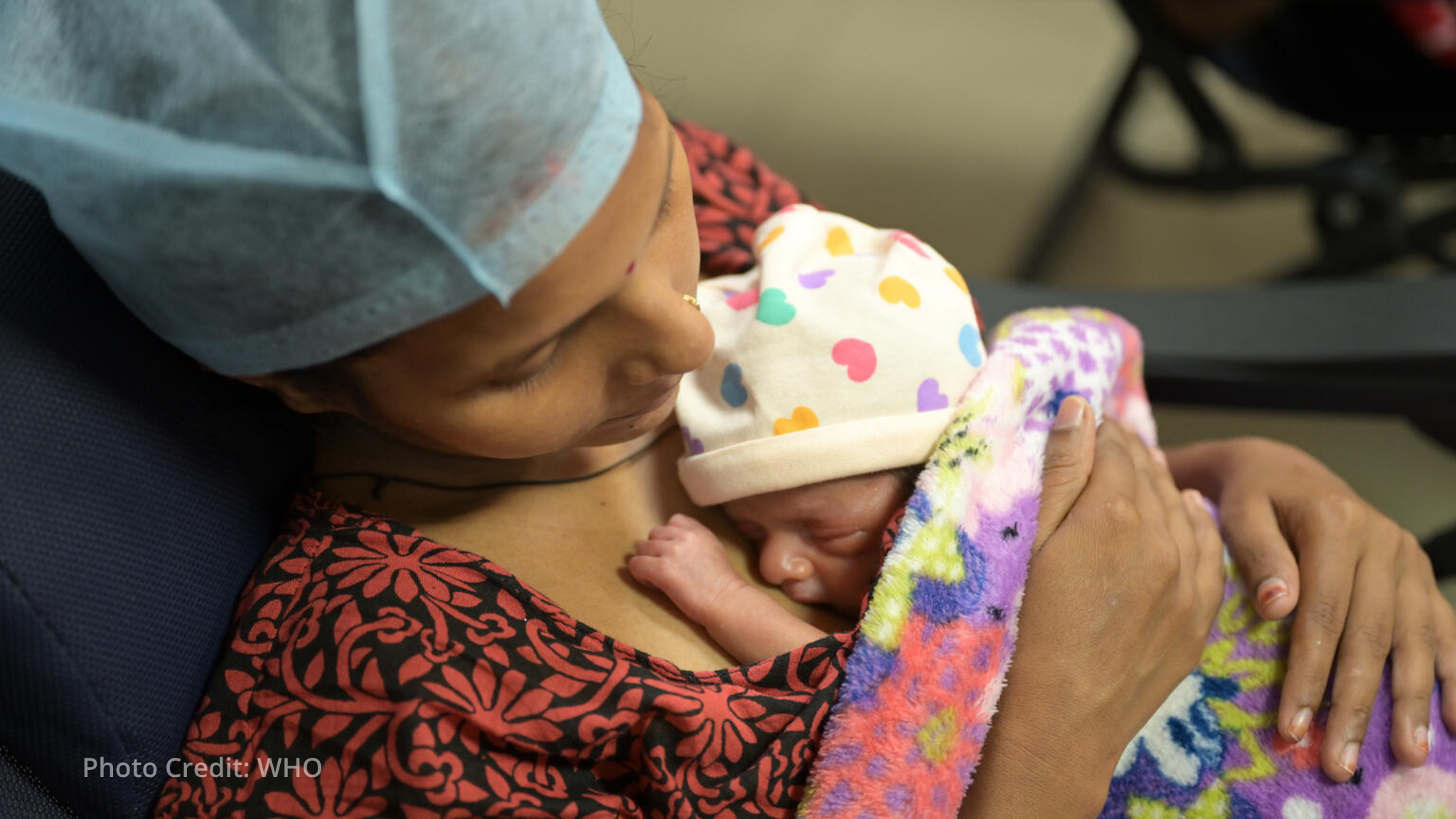
For the first time, the report fully integrates cause-of-death data and estimates deaths directly attributable to severe acute malnutrition (SAM), finding that more than 100,000 children aged 1–59 months died from it in 2024 — and that figure is almost certainly an undercount. Newborn deaths account for nearly half of all under-five deaths, driven by preterm birth complications, difficult deliveries, and neonatal infections.
Geography continues to determine a child’s survival odds in ways that should be indefensible. Sub-Saharan Africa accounted for 58% of all under-five deaths in 2024, with malaria alone responsible for 17% of deaths in children beyond their first month. Children in fragile and conflict-affected settings are nearly three times more likely to die before age five than children elsewhere.
The report also documents 2.1 million deaths among children, adolescents, and youth aged 5–24 in 2024. Among girls aged 15–19, self-harm is now the leading cause of death — a figure that demands attention far beyond the child health community.
The authors are direct about what is needed: political commitment from high-burden countries, sustained financing for primary health care, a sharper focus on the highest-risk populations, and stronger accountability systems. Every dollar invested in child survival, the report notes, can generate up to twenty dollars in social and economic returns. The tools exist. The question is whether the will — and the funding — will follow.