

Add us as your preferred source on Google to see more of our content in Search.
 Add to Preferred Sources
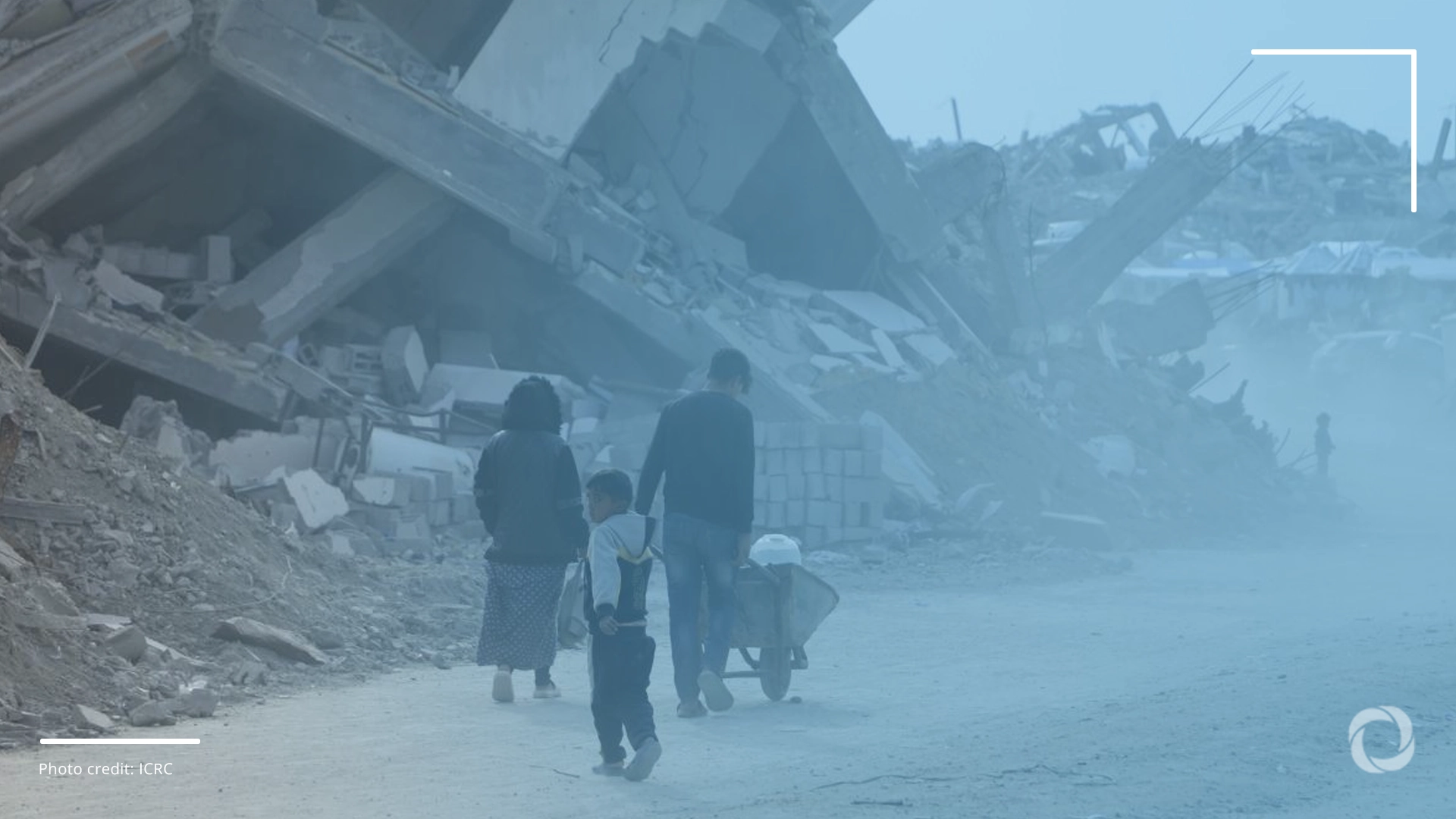
International Humanitarian Law (IHL) breaches are surging across conflict zones globally, affecting both civilians and humanitarian workers. Across various countries as well as hotspots such as Sudan, Gaza and Ukraine, attacks on aid workers, the destruction of essential civilian infrastructure, and mass displacement are rampant, demonstrating complete disregard for IHL.
According to the UNHCR 2025 report, more than 117 million people were displaced worldwide in the first six months of 2025 due to violence, conflict, and war-related human rights violations. The indiscriminate bombing of civilian areas, the blocking of life-saving aid and attacks on health facilities all constitute violations of IHL principles. These actions mean that modern conflict is resulting in complex humanitarian disasters that warrant international intervention.
From Ukraine to Sudan, and from Gaza to Haiti, documented breaches of the Geneva Convention indicate a pattern of continued human rights violations. This DevelopmentAid article considers the countries that are suffering the most from serious infringements of IHL and facing obstacles to sustainable growth as armed conflict blocks humanitarian aid and destroys infrastructure.
But first, let’s define International Humanitarian Law
International Humanitarian Law (IHL), often referred to as the Law of Armed Conflict, encompasses a set of international rules that regulate armed conflict to protect citizens, prisoners of war and civilian infrastructure while limiting the extent of warfare.
At its core, IHL seeks to balance two competing interests: military necessity and humanity. It does not determine whether a war is ‘legal’ (which is governed by jus ad bellum), but rather how a war must be conducted once it has started.
IHL protects civilians, healthcare, and humanitarian workers, but is often violated leading to death, extreme suffering and displacement. Examples of IHL breaches are situations when conflicting parties target civilians and public facilities, block humanitarian aid, and fail to protect prisoners of war.
Countries with massive infringements of IHL
In the face of declining international aid for conflict-stricken nations, the humanitarian rights of the populations in the following nations face extreme violations:
Sudan: The ongoing civil war in Sudan is causing constant human rights abuse for civilians and aid workers, leading to hundreds of deaths and at least 12 million internal displacements. Attacks on humanitarian aid employees are rampant, with the nation accounting for 12% of attacks against humanitarian workers globally in 2025.
Gaza: Israel’s ongoing military offensive in Palestine’s Gaza strip has caused one of the largest humanitarian crises in the region, with over 70,000 fatalities, according to the UN. The offensive targeted major transport systems and essential food and water sources and led to the collapse of health infrastructure with over 780 attacks on medical facilities as well as 92% of homes being destroyed.
Democratic Republic of Congo: The prolonged conflict in the DRC is perpetuating displacement and food insecurity and causing the blockage of humanitarian aid as the parties involved battle for control of territories and minerals. As of April 2025, approximately 7.3 million people had been internally displaced due to armed violence between the national army and the M23 rebels. Furthermore, humanitarian aid staff are vulnerable to attacks in the DRC with insecurity surging by 33% in 2025, making aid delivery difficult.
Ukraine: The number of civilian deaths continues to increase in the Russia-Ukraine war, with the UN estimating approximately 2,500 deaths and 12,000 injuries due to the hostilities. Killing civilians and destroying public infrastructure constitute breaches of the Geneva Convention and war crimes under IHL.
Haiti: Armed gangs that control some parts of the Haitian capital of Port-au-Prince are murdering, extorting, and kidnapping civilians. In the first nine months of 2025, the gangs killed approximately 800 civilians with women and children bearing the brunt of the gang’s brutal force through sexual violence and forced recruitment at an early age.
Myanmar: Violent conflict between militias and the national military continue to rock Myanmar, leading to almost 90,000 deaths, infrastructure destruction and displacement. Medical facilities have also come under attack with a December 2025 airstrike by the government military killing at least 33 civilians. This airstrike constitutes a grave violation of IHL as health institutions and staff are protected under the Geneva Convention.
South Sudan: Political conflict, surging violence, and growing humanitarian crises are causing civilian violence amid shrinking aid budgets. According to the UN, continual clashes between government forces and the opposition are resulting in difficulties for humanitarian intervention in the Jonglei state. In 2025, 350 attacks on humanitarian personnel and health facilities were documented.
Ethiopia: Conflict between armed groups and the Ethiopian military displaced more than 288,000 civilians in 2025, with the violence leading to food insecurity and child malnutrition, and impeding the supply of humanitarian aid. This dire situation has been worsened by US$387 million cuts to aid by the United States, resulting in reduced food distribution and threatening malnutrition treatment.
Mali: Political instability is constantly fueling human rights abuse in Mali, with at least 400,000 people now displaced, more than half being women and girls. Armed attacks on public facilities have left less than a quarter of health facilities functioning.
Colombia: Based on the 2025 Report by the International Committee of the Red Cross, more than 382 violations of IHL regulations occurred in 2024 in Colombia, with approximately half compromising civilian life. These violations are caused by power struggles between armed groups and drug trafficking organizations.
Initiatives to address to IHL violations
Over the years, a number of initiatives by NGOs, governments, and other stakeholders have been initiated to minimize violations of the IHL.
Global Initiative to Galvanize Political Commitment to International Humanitarian Law: Launched through the collaboration of the International Committee of the Red Cross and countries such as Brazil, France, China, South Africa and Kazakhstan, this two-year initiative aims to strengthen political commitment to IHL via compliance, respect, and implementation. Its procedures encompass multi-country consultations and will conclude with a high-level meeting to “Uphold Humanity in War” in 2026.
The 1997 Mine Ban Treaty and the International Campaign to Ban Landmines – Cluster Munition Coalition (ICBL-CMC): ICBL advocates for compliance with the Mine Ban Treaty by Ukraine, Finland, Poland, and the Baltic amid the escalation of war in Europe. The group has stated that Ukraine’s suspension of the treaty is illegitimate, emphasizing that IHL principles are irrevocable during armed conflict. Through advocacy, the ICBL is urging countries to change course and protect civilians against landmines in armed conflicts.
Geneva Call: Engagement with Armed Groups: This organization works with armed non-state groups and governments to promote compliance with IHL standards. In its 2025 regional conference, delegates from nine armed groups from DRC, Sudan, South Sudan, and Burkina Faso signed the Deeds of Commitment agreement, aiming to prevent conflict-led food insecurity and ensuring secure humanitarian access in conflict zones. The Geneva Call commitment seeks to reduce civilian harm and strengthen compliance with IHL in conflict-affected zones.
Wrap up
As global wars surge, breaches of IHL remain persistent in hotspots such as Sudan, Ukraine, and Gaza. Indiscriminate attacks on civilians, the destruction of civilian infrastructure, and the blocking of humanitarian aid all demonstrate violations of the Geneva Convention and the legal principles of war according to IHL. The increasing levels of mass displacement, civilian casualties, and humanitarian crises necessitate the full enforcement of IHL principles to protect non-combatants. Upholding IHL is essential to restore global stability, protect human rights and prevent humanitarian crises.