
Add us as your preferred source on Google to see more of our content in Search.
 Add to Preferred Sources
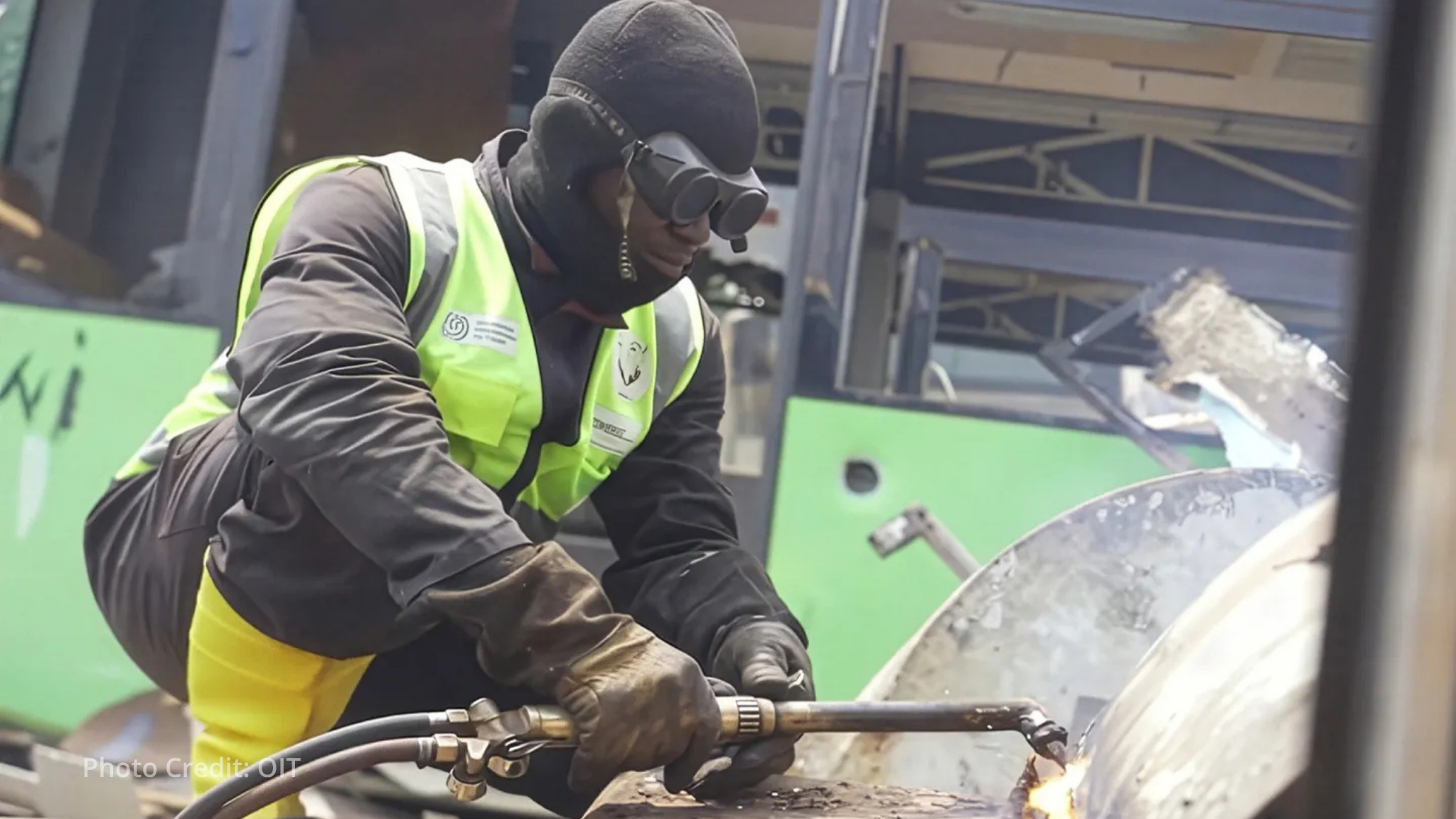
More than 840 tonnes of scrap metal have been collected, a long-neglected urban site cleaned up, and over 150 workers are now doing their jobs in safer, better-organized conditions, thanks to an International Labour Organization (ILO) initiative in Cameroon, according to an ILO news release. The project — focused on formalizing the ferrous waste collection and recycling sector — shows how an industry long defined by informality and risk can become a source of decent work and real economic opportunity.
The dismantling of 75 end-of-life vehicles, organized with the National Union of Scrap Metal Workers (SYNAFSEC), mobilized four teams over two weeks and generated nearly 30 million CFA francs. Workers received training, protective equipment, and guidance on occupational health and safety — changes that have translated directly into fewer injuries and more consistent income. “Before, we used to get injured a lot and sometimes be off work for several days,” one worker said. “Now, with protective equipment, we can work every day and earn a living. We’re protected and feel more comfortable.”
A major structural change is now reinforcing these gains: a national digital platform — the National Waste Exchange (BND) — now requires all waste transactions, from production to recycling, to be recorded via a digital Traceability Manifest with a unique identifier and QR code. This improves transparency, secures transactions, and connects producers, collectors, and recyclers into a more organized value chain. ILO Country Office Director Claude Yao Kouame said the Cameroon case shows formalisation, green transition, and digitalisation reinforcing each other in practice.
The results in Yaoundé are already tangible: better conditions, more income, a cleaner environment, and a sector gradually stepping out of the shadows. The ILO says the Cameroonian experience is proof that with the right support, waste can become a resource — not just for the environment, but for employment and social justice.