
Add us as your preferred source on Google to see more of our content in Search.
 Add to Preferred Sources
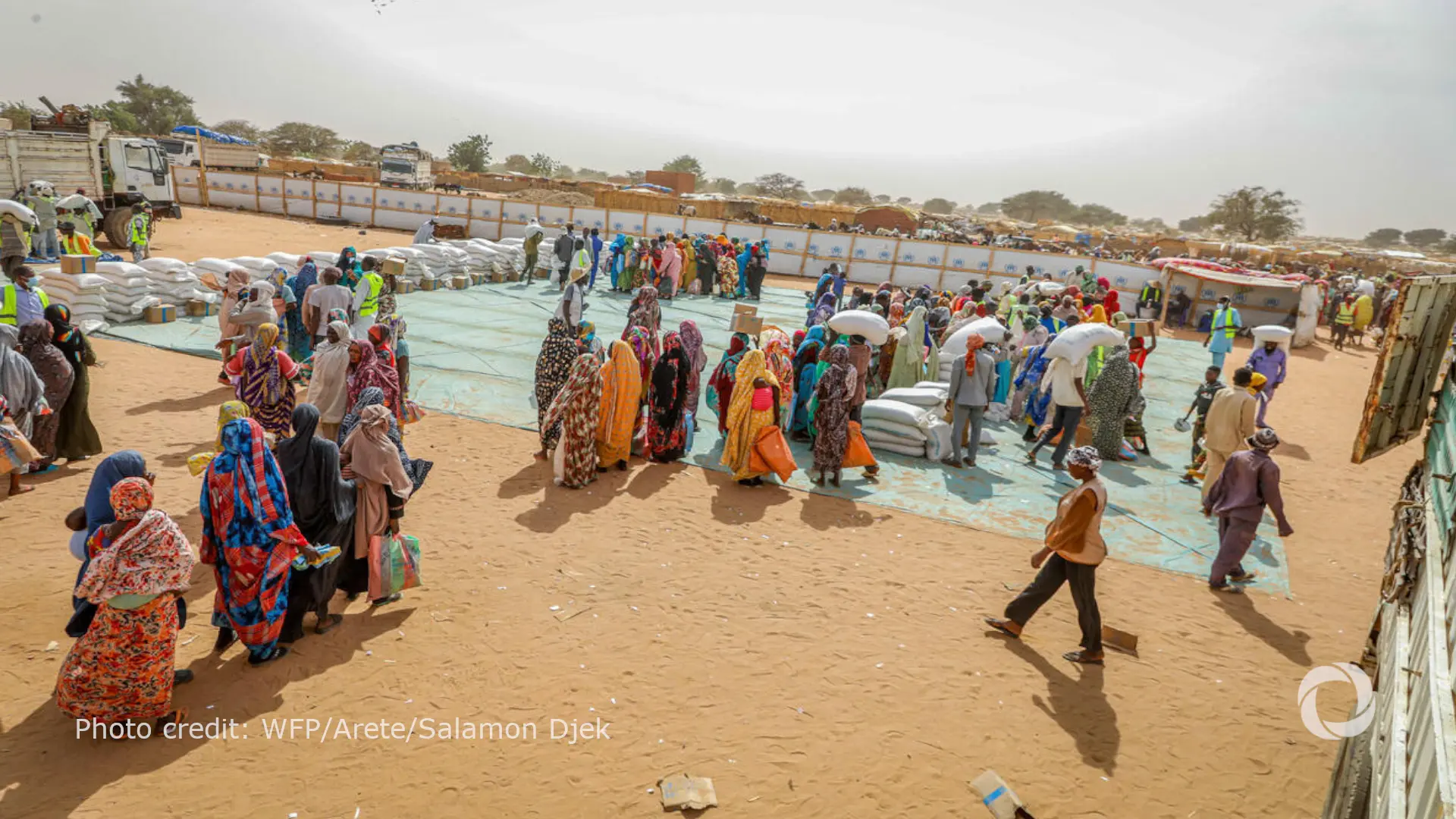
More than a million Sudanese refugees in Chad face immediate, life-threatening cuts to food, water, shelter, protection, and health care, UNHCR and the World Food Programme (WFP) warned on April 9, 2026, as the conflict in neighboring Sudan approaches the three-year mark. The two agencies issued a joint alert, according to a press release by WFP, calling on donors to close a combined US$428 million funding gap — $289 million for UNHCR and $139 million for WFP. Without urgent action, essential assistance will be drastically scaled back in the coming months.
Chad hosts 1.3 million Sudanese refugees, with over 900,000 arriving since the war began in 2023. One in thirteen people in Chad is a refugee; in the east, that ratio rises to one in three. The Government of Chad has kept its borders open throughout the conflict, with nearly 15,000 new arrivals recorded since January 2026 alone. Host communities continue to absorb new refugees despite the immense strain on resources.
Current UNHCR resources cover basic assistance for only four in ten refugees, leaving many without adequate shelter, water, or health care. Some 80,000 families have no shelter due to funding shortfalls, and in locations such as Oure Cassoni in Ennedi Est Province, refugees survive on less than half the minimum daily water requirement. Classrooms in most areas hold more than 100 children per teacher, and critical protection services for survivors of sexual and gender-based violence are being scaled back. More than 243,000 people remain stranded in eastern border areas, sleeping in the open or in rudimentary shelters, exposed to disease, insecurity, and harsh weather.
WFP, operating with less than half the resources it needs, has already cut food assistance in half for the majority of the over one million people it reaches in refugee-hosting areas.
“WFP remains committed to fighting food insecurity in Chad in both the short and long term. But with less than half the resources we require, we cannot deliver sufficient food to the people who need it most,” said WFP Chad Country Director and Representative Sarah Gordon-Gibson.
She added that the shortfall will force refugees into devastating coping strategies and put lives at risk. Women and young children are feeling the impact first and hardest, with nutrition support for new arrivals already under pressure.
UNHCR and WFP are calling on donors to mobilize funding for the next six months to sustain assistance before conditions deteriorate further. Both agencies are also investing in resilience, inclusion, and social protection to transition people away from humanitarian aid over time. However, emergency assistance remains a vital lifeline that is under imminent threat. Chad’s continued openness to refugees, the agencies stated, must be matched by decisive international responsibility-sharing now.