
Add us as your preferred source on Google to see more of our content in Search.
 Add to Preferred Sources
Three years after war erupted in Sudan, displaced families across Sudan, South Sudan, Chad, Egypt, and Libya are skipping meals, earning nothing, and watching their ability to cope quietly collapse, according to a new report by the Norwegian Refugee Council (NRC). More than 9 million people are internally displaced inside Sudan, while over 3.5 million have fled to neighbouring countries, making this the world’s largest displacement crisis. Almost 29 million people across Sudan face acute hunger, including over 755,000 in catastrophic conditions.
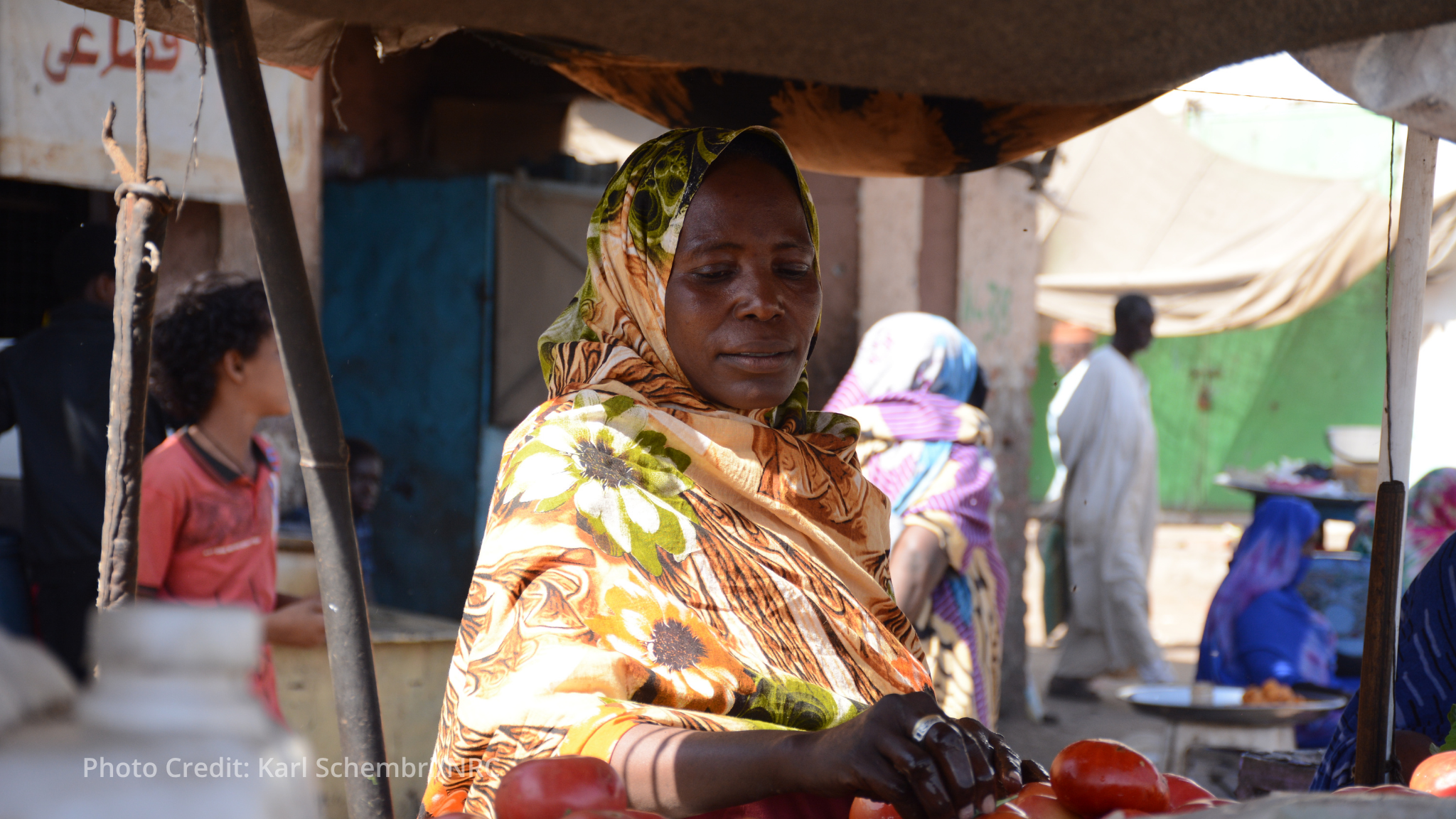
The scale of loss is staggering. On average, displaced households reported nearly four major losses since fleeing — homes, livelihoods, belongings — with many forced to move multiple times, each move leaving them with less. In South Sudan, over 90% of families are reducing or skipping meals; the figure is above 80% in Sudan and 75% in Egypt, showing that food insecurity is not confined to frontline conflict zones. In Chad, 90% of women-headed households have no income at all, and even basics like water have become unaffordable. “We are living a very hard life — no food, no education, no shelter. Everything is difficult, and our children are losing hope,” one displaced woman in Sudan said.
Women and children are bearing the heaviest burden. One in five women in Sudan, Chad, and South Sudan has no access to any toilet or latrine — three times the rate among men — and women routinely face harassment and violence while travelling to fetch water. Across the three countries, 18% of households have sent children to work in the past month, and family separation triples the risk of child marriage in Chad while nearly doubling child labour. Only 45% of children in displacement have regular access to education. NRC Secretary General Jan Egeland said what the data reveals is “not just a humanitarian crisis, but a collapse of survival systems.”
The one thread holding this crisis together has been the extraordinary solidarity of communities themselves — in Sudan and Chad, nearly one in three people receiving aid are still sharing what little they have with others. But that thread is fraying. Host countries are under growing strain: Chad hosts more than 900,000 Sudanese refugees, South Sudan over 600,000 despite its own humanitarian emergency, and Egypt 1.5 million. NRC, which has supported over 5.5 million people across the region since April 2023, is calling for urgent international action to scale up funding and push harder for diplomatic solutions. “It is time for a bystanding world to match local solidarity with international action,” Egeland said.