
Add us as your preferred source on Google to see more of our content in Search.
 Add to Preferred Sources
Six months into the ceasefire in Gaza, civilians remain trapped between sporadic strikes, severely restricted aid, and a political process that is now dictating whether any real recovery can begin, according to a statement by Jan Egeland, Secretary General of the Norwegian Refugee Council (NRC). Israeli strikes have continued to kill and injure civilians and destroy homes despite the formal ceasefire, leaving residents with little sense of safety. Humanitarian access remains critically constrained, with aid deliveries falling far below agreed levels and far too few trucks entering Gaza to meet even basic needs.
The situation is being made worse by the politicization of reconstruction. The entry of goods and restoration of infrastructure are no longer treated as operational humanitarian matters but are increasingly tied to ongoing negotiations over Gaza’s political future — including talks that link reconstruction and the lifting of restrictions to the disarmament of Hamas. Egeland warned that failure of these negotiations could trigger renewed large-scale hostilities, and that civilians are already paying the price of that uncertainty. Families are living in makeshift shelters, exposed to hazards, with rising prices driven by restricted supply chains.
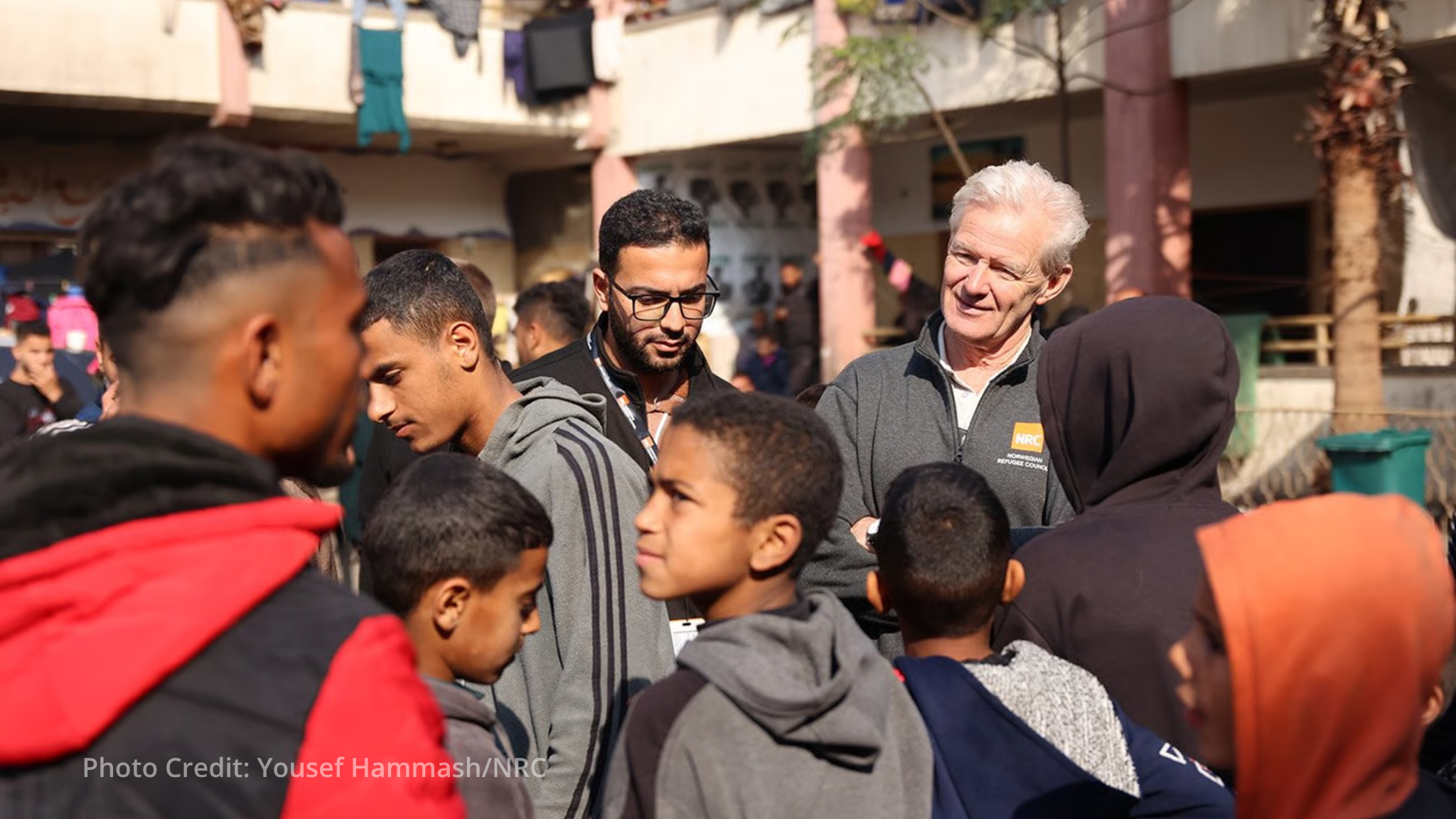
NRC teams are continuing to operate under extreme conditions, reaching close to one million people with shelter, legal assistance, water, and other essential services. But the organization is clear that a ceasefire must mean more than a reduction in violence — it must guarantee sustained humanitarian access, enable immediate reconstruction, and protect aid workers from administrative or legal obstacles that undermine their work. Tying civilian recovery to political or military outcomes, Egeland stressed, is simply not acceptable.
The statement is a direct call to the international community to move beyond managing a fragile pause and toward securing a credible path to safety and dignity for the people of Gaza.
“The people of Gaza and Israel need more than a fragile pause,” Egeland said. “They need a credible path to safety, dignity, and recovery.”
Without that, the ceasefire risks becoming what NRC describes as a ceasefire in name only — holding in form while failing the people it was supposed to protect.