
Add us as your preferred source on Google to see more of our content in Search.
 Add to Preferred Sources
More than 1.6 million people have returned to front-line regions of Ukraine despite active fighting, driven by financial exhaustion, loneliness, and the deep pull of home, according to new Save the Children research. A survey of 172 parents and caregivers found that 74% cited missing their community and feeling isolated in host areas as key factors in their decision to return to Kharkiv, Donetsk, Kherson, and Sumy. About 55% pointed to the high cost of housing — with rents in safer parts of Ukraine reaching $160–$340 a month, often equal to an entire household’s income — while nearly half said their children’s unhappiness and loneliness in host communities was a deciding factor.
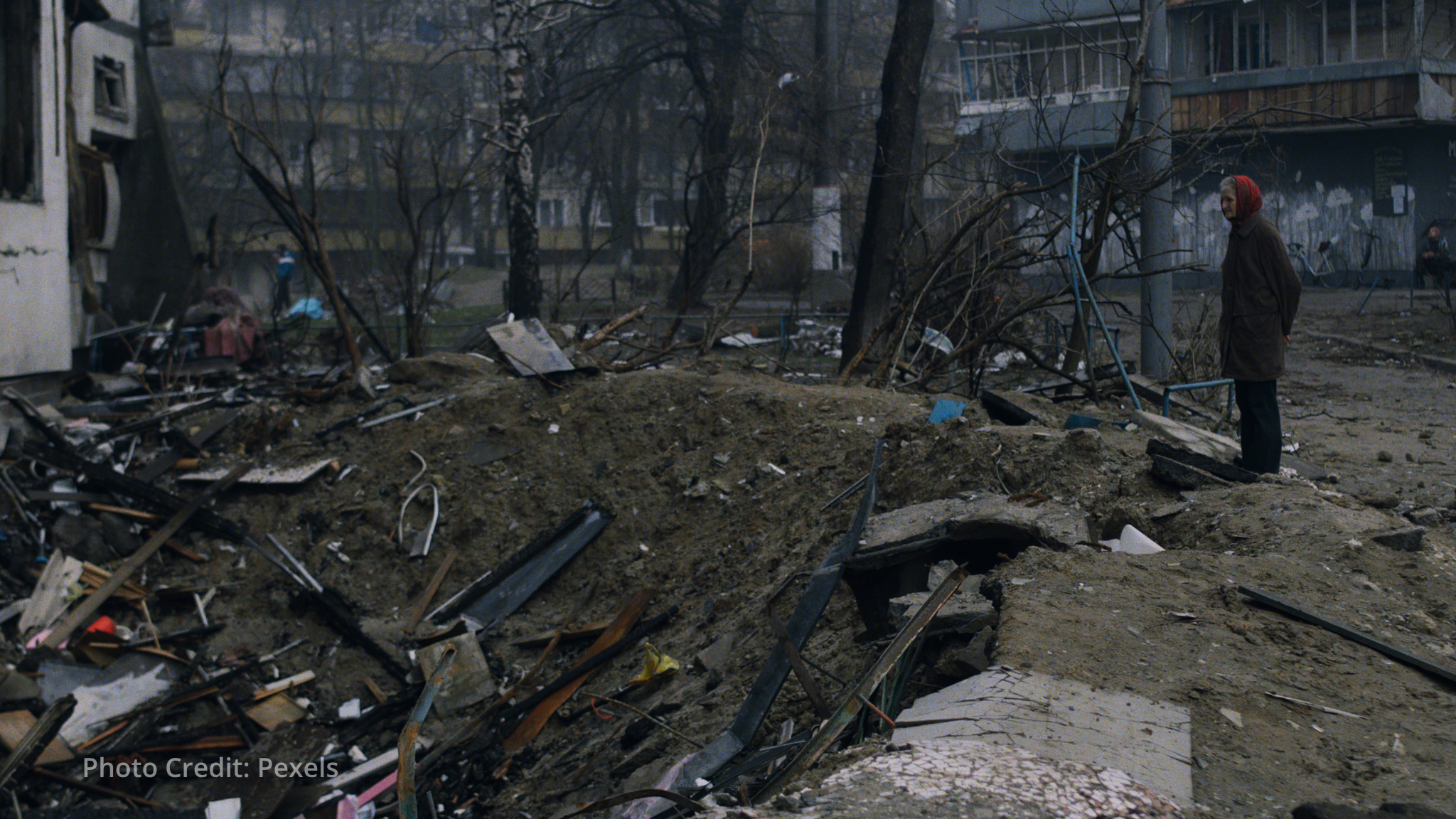
The return comes at a steep price. Families going back face shelling, landmines, and constant air alerts, while children lose access to quality education and safe spaces to play. Save the Children’s child protection teams found that children fell ill more frequently shortly after returning, and many turned to excessive screen time as a coping mechanism. Yet 77% of children surveyed said it was easier to make friends back home — a reminder of how much displacement costs children socially, even when it keeps them physically safer.
Save the Children Country Director for Ukraine Sonia Khush said the decisions families are making reveal “the severe toll of displacement,” and that returning to a war zone is never a choice anyone makes lightly. The organization is calling on international donors to sustain funding so displaced families have the financial means to remain in safer areas — and so children can access the protection, education, and mental health support they need, wherever they are. Save the Children has reached over 4.7 million people in Ukraine since February 2022, including around 1.9 million children.