
Add us as your preferred source on Google to see more of our content in Search.
 Add to Preferred Sources
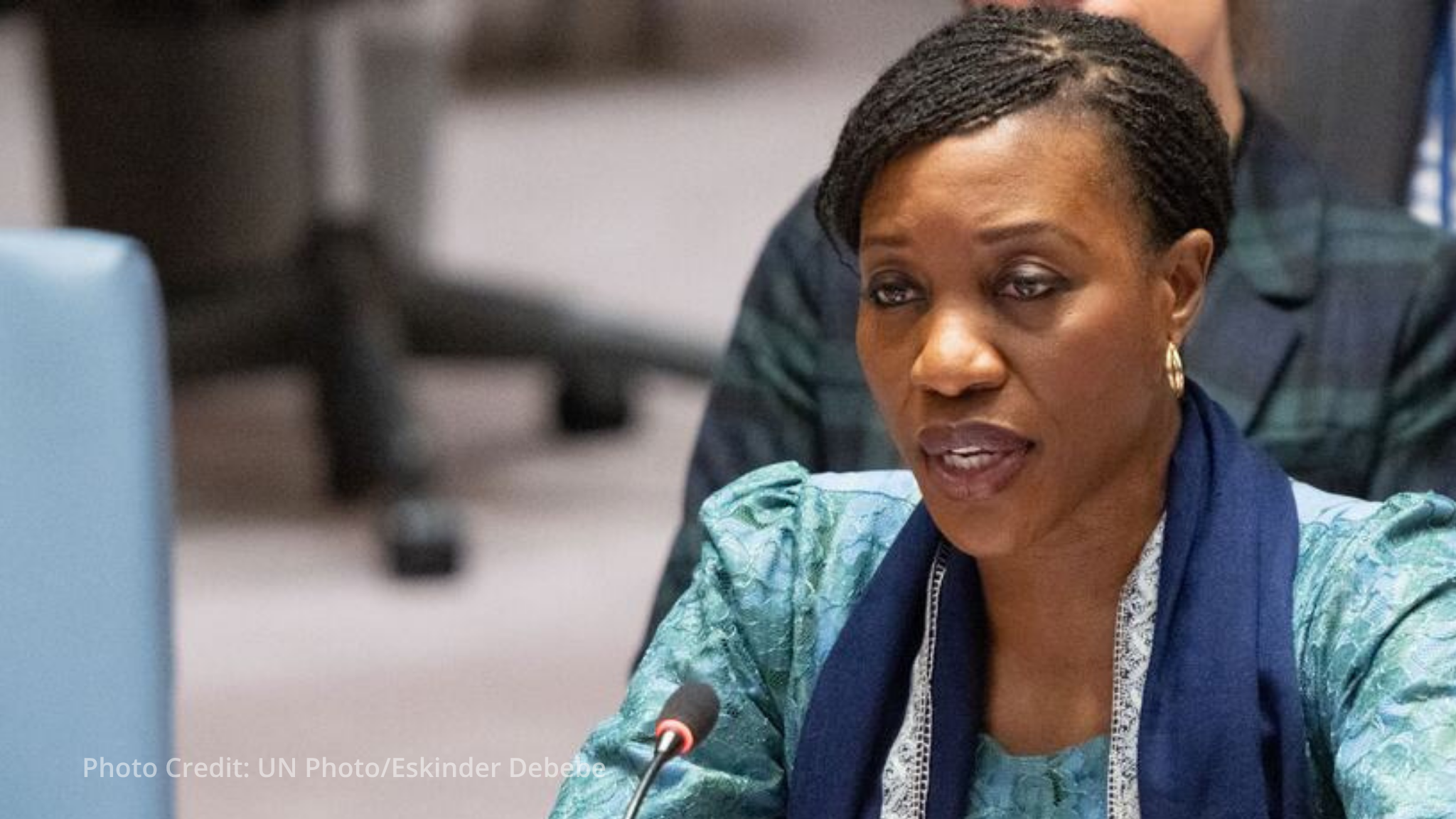
The United Nations (UN) Security Council heard stark warnings about Yemen’s deteriorating humanitarian situation on April 14, 2026, as senior officials urged de-escalation, political progress, and urgent funding for civilians battered by years of conflict, according to a press release by UN News. Edem Wosornu, Director of the Crisis Response Division at OCHA, and Hans Grundberg, Special Envoy of the Secretary-General for Yemen, both briefed the Council. Their warnings came as regional tensions continue to mount following more than a month of strikes and counterstrikes in the Gulf. Officials stressed that Yemen must not be drawn into the escalating conflict in the Middle East. The briefings painted a picture of a country with little capacity to absorb further shocks.
Yemen has endured a decade of conflict marked by inadequate public services, delayed salaries, and rising prices. The fragile United States-Iran ceasefire is holding following over a month of strikes and counterstrikes in the Gulf region. The Houthi movement’s military wing launched attacks against Israel at the end of March. Two years ago, the Security Council adopted resolution 2722 (2024), demanding that the Houthis cease attacks against merchant and commercial vessels in the Red Sea. At the beginning of last week, China and Russia vetoed a resolution seeking to deter interference with international navigation through the Strait of Hormuz or threats to maritime security in the Bab-el-Mandeb Strait.
More than 22 million Yemenis now require humanitarian aid, a number that continues to rise. Over 18 million people face severe hunger, and two out of every three families are forced to skip meals daily. More than two million children under five are acutely malnourished, and over one million pregnant and breastfeeding women face life-threatening complications due to malnutrition. More than 19 million people lack access to healthcare, and vaccine-preventable diseases are rapidly spreading. Aid operations have slowed as 73 UN staff remain arbitrarily detained by the Houthis, assets have been seized, and access is severely restricted.
Hans Grundberg warned that, despite broad de-escalation holding since the 2022 truce, “this relative calm cannot be taken for granted.” He stressed that Yemenis now face even higher costs for fuel and food triggered by regional conflict. These pressures compound longstanding issues including obstruction of government exports and division of the central bank. Grundberg also emphasized that an inclusive political process must be pursued and that Yemenis’ future must not be held hostage by instability. He recalled his recent trip to Yemen’s temporary capital of Aden while delivering his briefing.
Wosornu warned that a decade of conflict has left people in Yemen “hanging by a thread — and that thread is now fraying.” She noted that the gap between available resources and soaring humanitarian needs is widening. Women, children, and the most vulnerable are bearing the heaviest burden of the crisis. Supply chains have been disrupted across the region, further hampering the humanitarian response. Officials called for unimpeded humanitarian access and urgent international funding to prevent further deterioration.