
Add us as your preferred source on Google to see more of our content in Search.
 Add to Preferred Sources
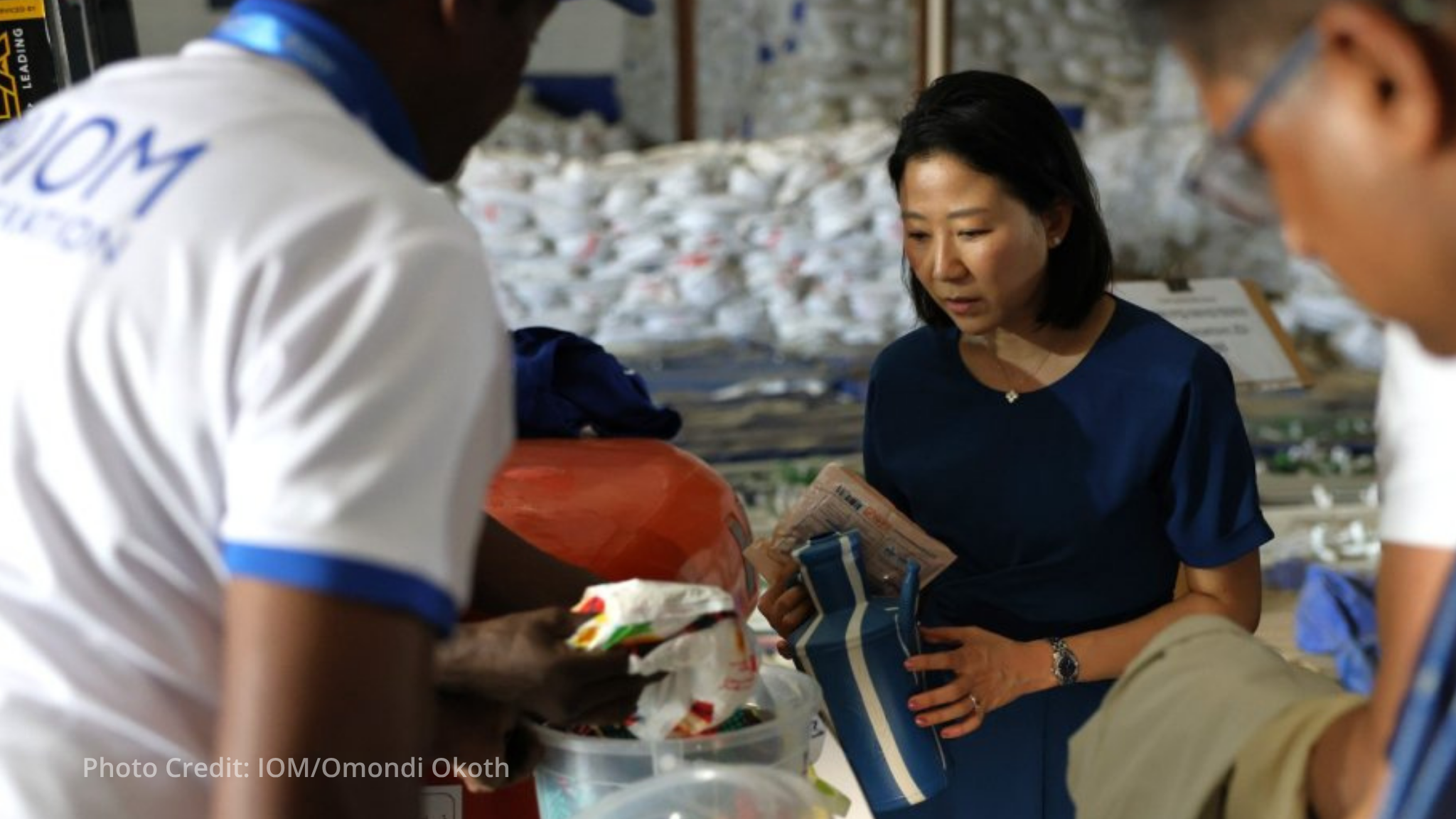
Nearly 4 million people have voluntarily returned to Sudan since the onset of conflict, many hoping to rebuild their lives, but without urgent investment in essential services, housing, and livelihoods, those returns risk falling apart, the International Organization for Migration (IOM) warned during a senior official’s visit to the country. Returns have been concentrated in Aj Jazirah and Khartoum, driven by improving security in some areas, economic pressure, family reunification, and deteriorating conditions in displacement sites and neighbouring countries. IOM Deputy Director General SungAh Lee said too many returnees are arriving to find “destroyed services, damaged homes and new uncertainty.”
The scale of the crisis is hard to overstate. At the height of the conflict, nearly 12 million people fled the worst-affected areas, and today nearly 9 million remain internally displaced. In Khartoum, rapidly rising returns are compounding damage to water systems, electricity, health facilities, and housing caused by months of urban fighting. In Aj Jazirah — one of Sudan’s most productive agricultural regions — returnees are finding broken equipment and damaged infrastructure, threatening both livelihoods and food production at a critical moment for recovery.
Host communities, already strained by economic hardship and climate pressures, are absorbing hundreds of thousands of displaced people while their own services buckle. IOM stresses that displacement and return are deeply interconnected realities requiring coordinated regional responses — not piecemeal fixes. During her visit, DDG Lee met with Sudan’s ministers of water, health, and education, underscoring the push to move communities from emergency assistance toward longer-term recovery and stability.
The financing gap makes everything harder. IOM’s Sudan Crisis Response Plan for 2026 is underfunded by $97.2 million, even as more than 2 million additional people are expected to return to Khartoum alone this year. IOM is calling on international partners to move beyond emergency relief and commit to the sustained investment Sudan needs to give these returns a real chance of lasting.