
Add us as your preferred source on Google to see more of our content in Search.
 Add to Preferred Sources
Twenty years after Darfur captured global outrage and spurred international humanitarian mobilization, children in the region are once again trapped in catastrophic violence, mass displacement, and acute hunger — but this time with far less attention and far less aid, thr United Nations Children’s Fund (UNICEF) warned in a new Child Alert report. The report, “Darfur: 20 Years On, Children Under Threat,” draws stark parallels with 2005: homes burned, markets attacked, schools and health facilities destroyed, and families forced to flee. But today the scale of need is greater, and the global response is smaller. UNICEF Executive Director Catherine Russell said: “We cannot allow history to repeat itself.”
The numbers are harrowing. Since the current war began, the UN has verified more than 5,700 grave violations against children across Sudan, with over 4,300 killed or maimed. In Al Fasher alone, more than 1,500 violations were verified since April 2024 — including the killing and maiming of over 1,300 children, many by explosive weapons and drones, as well as sexual violence, abductions, and the recruitment of children by armed groups. In the first three months of 2026 alone, at least 160 children were reportedly killed and 85 injured — a significant increase over the same period last year. These figures, UNICEF warns, almost certainly underestimate the true scale of abuse.
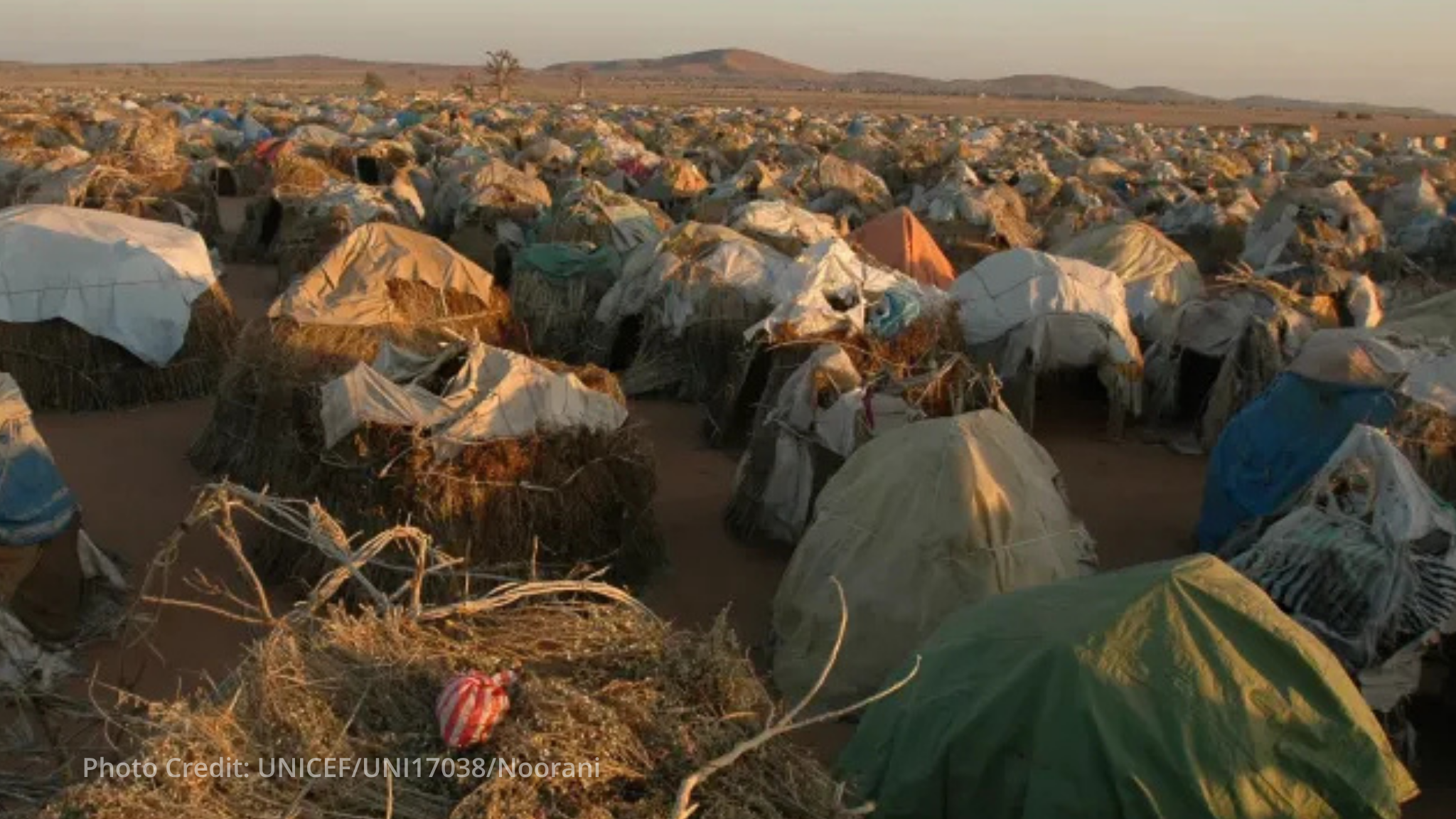
Across Darfur, prolonged sieges have cut families off from food, water, and healthcare. Millions of children have been uprooted, and significant displacement has spilled across the border into eastern Chad, where already overstretched services are struggling to absorb new arrivals. Children face severe malnutrition, disease, and the collapse of livelihoods alongside the direct threat of violence. UNICEF and partners are continuing to deliver assistance — treating severe acute malnutrition, running mobile health clinics, providing safe spaces and psychosocial support — but humanitarian efforts are being choked by insecurity, bureaucratic obstacles, and deepening funding shortfalls.
The core message of the Child Alert is a call to the international community not to look away. In 2005, global outrage translated into action. Today, a new generation of children is living through the same horrors with a fraction of the attention and resources. Russell’s appeal is direct: the parties to this conflict must end the war, humanitarian access must be protected, and sustained funding must be restored before yet another generation in Darfur pays the price of the world’s indifference.