
Add us as your preferred source on Google to see more of our content in Search.
 Add to Preferred Sources
Chile is expanding its scientific capacity to authenticate honey through nuclear and isotopic techniques, with support from the International Atomic Energy Agency (IAEA) and the Food and Agriculture Organization of the United Nations (FAO), according to a press release published on 20 May 2026. The initiative aims to safeguard small-scale beekeepers from food fraud and ensure access to international markets. Chilean scientists are building a national database of stable isotopic profiles for local honey. The work is carried out in cooperation with the Joint FAO/IAEA Centre of Nuclear Techniques in Food and Agriculture. The effort seeks to certify the authenticity of Chilean honey and protect consumers from adulterated products.
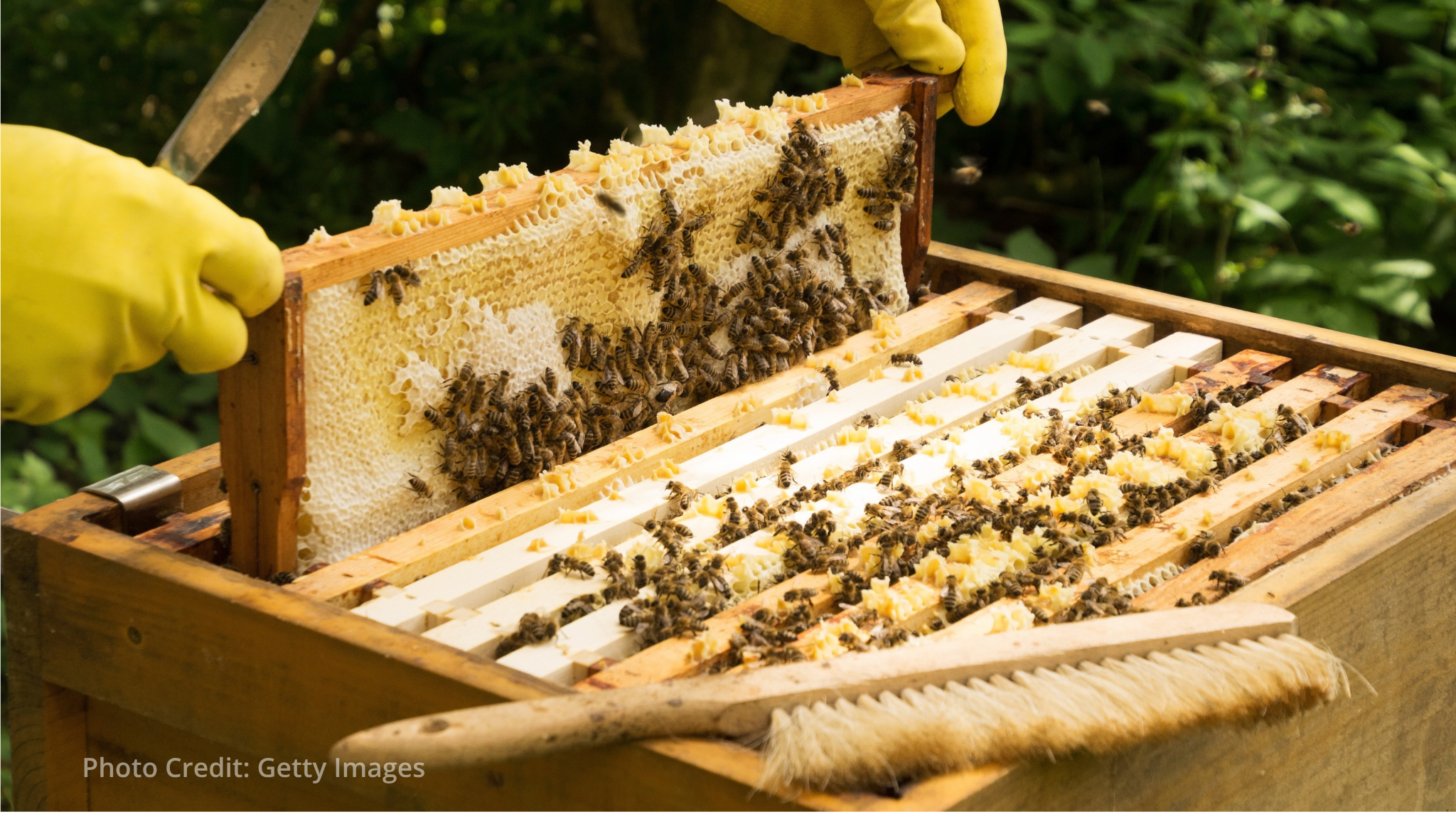
From Patagonia to Easter Island, Chile’s diverse geography and biodiversity provide unique nectar sources for bees, producing distinct types of honey exported worldwide. The country’s honey industry, however, is under threat from food fraud and the substitution of counterfeit honey. According to FAO, 96.3% of Chile’s beekeeping industry is comprised of small producers with less than 300 hives whose livelihoods depend on the value of their products. The IAEA is supporting other countries with similar challenges, including Algeria, Bangladesh, Cuba, and Thailand. Thailand has developed the capacity to authenticate the nearly 3,000 tonnes of honey and honey products it exports each year.
Following IAEA capacity building in 2024, Chilean scientists built a database of isotopic “fingerprints” for Chilean honey, which can provide precise indications of its origins and detect fraud by identifying sugar additives. The methods align with AOAC International and Codex Alimentarius Standards reference methods. The IAEA technical cooperation programme provided the Chilean Nuclear Energy Commission (CCHEN) and the University of Chile with an FTIR spectrometer to help detect added sugars, syrups, or other adulterants. It also supplied an ED-XRF spectrometer to measure trace element contamination and identify the likely geographical origin of the honey. These tools enable scientists to verify authenticity at international standards.
Chilean researcher Enrique Mejías developed expertise in isotope ratio mass spectrometry, nuclear magnetic resonance, and FTIR infrared analysis during a fellowship at the FAO/IAEA Food Safety and Control Laboratory in Seibersdorf, Austria.
“Food fraud causes producers profound harm by devaluing their products through unfair competition from low-cost counterfeit honeys. For this reason, our aim at CCHEN is to strengthen the sector by providing scientific tools to certify the authenticity of their honeys, ensuring that the product’s value accurately reflects its quality and origin,” said Mejías, a researcher at CCHEN. Dongxin Feng, Director of the Joint FAO/IAEA Centre, noted that aligning methodologies with international standards fosters long-term resilience in food systems.
Luis Longoria, Director of the IAEA Technical Cooperation Division for Latin America and the Caribbean, said the IAEA is helping Chile cultivate a skilled workforce of nuclear scientists. Scientists are now collecting additional domestic honey data for authentication.
The IAEA recently launched a new technical cooperation project to support Chile in monitoring and diagnosing bee health. Although Chile has so far escaped severe bee diseases, recent outbreaks of the endemic disease “American foulbrood” pose challenges, as infected hives must be culled and quarantines imposed. Franco Alejandro Gamboa González, National Bee Health Officer at Chile’s Agricultural and Livestock Service, said bee health is a cornerstone of the sector’s sustainability and competitiveness. He emphasized that strengthening surveillance, developing diagnostic capabilities, and coordinating with international organizations are key to positioning Chile as a global leader in bee health. By verifying authenticity, Chilean beekeepers can ensure that specialty honeys command a premium price in international markets. The collaboration reinforces both food safety and the livelihoods of small-scale producers nationwide.