
Add us as your preferred source on Google to see more of our content in Search.
 Add to Preferred Sources
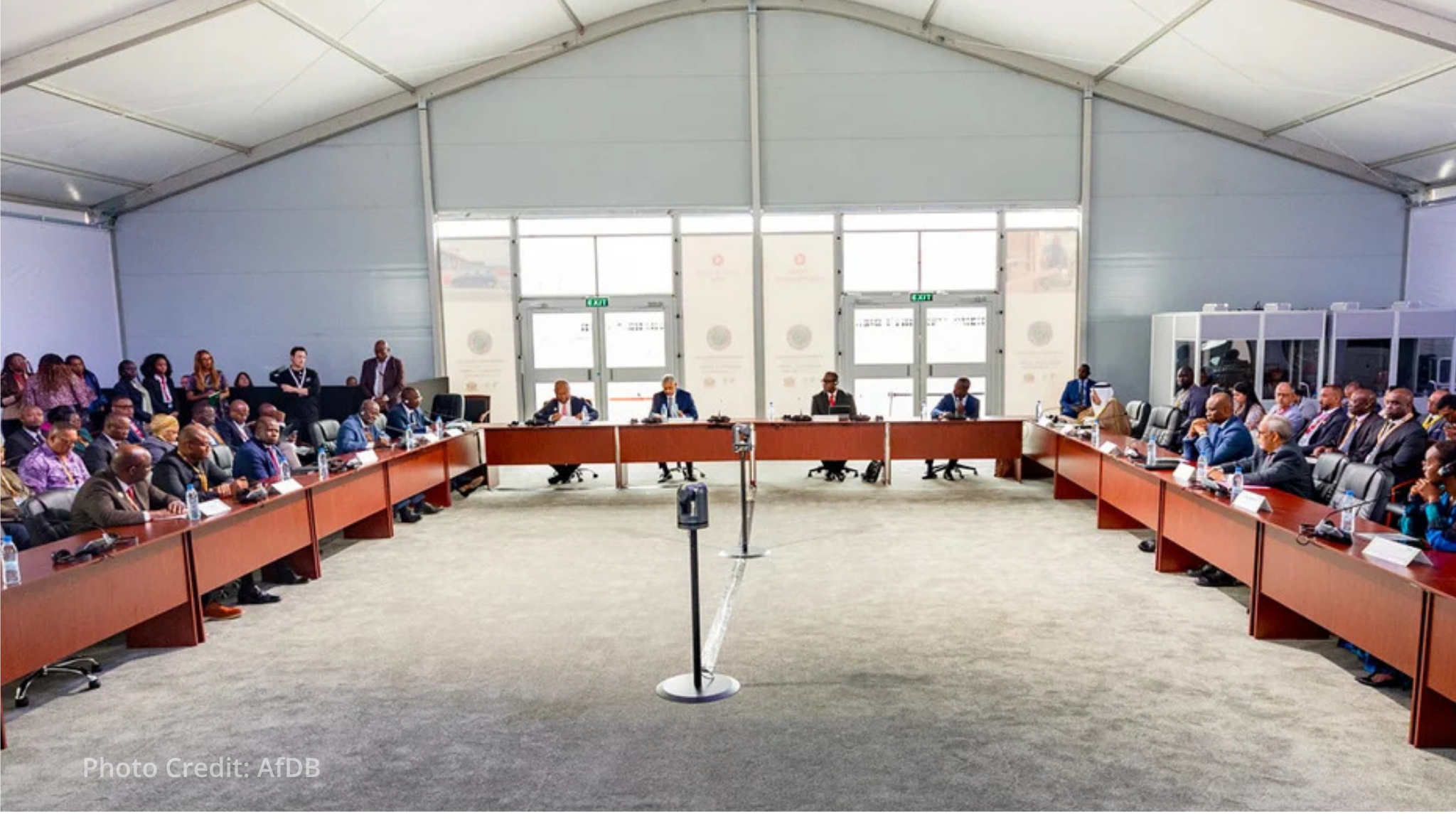
African ministers, officials from international financial institutions, and private sector representatives gathered on Monday, May 24, in Brazzaville, Republic of the Congo, to explore strategies for transforming public assets into financing for priority infrastructure projects, according to a press release by the African Development Bank (AfDB). The roundtable, titled “Transforming Public Assets into Capital: Unlocking the Potential of Asset Recycling in Africa,” was organized by Africa50 in collaboration with the Bank Group. It took place during the 61st Annual Meetings of the pan-African development finance institution, held from 24 to 29 May in Brazzaville. Participants examined how recycling existing public assets could mobilize new capital for development. The thesis centered on making asset recycling investable, scalable, and impactful across the continent.
Many African countries are facing growing debt pressures, tighter public budgets, and increasingly frequent external shocks. Against this backdrop, the central question is how to finance infrastructure in a more strategic and sustainable manner. Infrastructure is considered essential for boosting growth, supporting competitiveness, strengthening regional integration, and creating jobs. Speakers stressed the urgency of accelerating asset recycling, a mechanism through which governments monetize existing assets such as roads, ports, airports, or energy networks to finance new projects. The African Development Bank estimates Africa’s infrastructure financing gap at USD 150 billion per year.
Participants emphasized that this approach could help reduce the financing gap while attracting more private investment into strategic sectors. Dr Sidi Ould Tah, President of the Bank Group, delivered the opening speech and urged African countries to move from concept to pipeline, from pipeline to transactions, and from transactions to a continental asset recycling platform. Alain Ebobissé, CEO of Africa50, said the question is no longer whether public assets should be recycled, but rather “how to recycle them in a transparent and more effective way.” Speakers agreed that the continent possesses assets, institutions, and significant pools of long-term capital. They stressed that proceeds should fund renewable sources of development financing, not budget deficits.
Senegal’s Minister of Economy, Planning and Cooperation, Abdourahmane Sarr, noted that public debt stands at around “119 to 120%” of GDP, while a recent inventory revealed that 40% of assets could be recycled to ease the state debt burden.
“Asset recycling is essential. It provides governments with a concrete way to unlock the value of mature public assets, attract private capital and expertise, and reinvest the proceeds into new priority infrastructure,” said Dr Sidi Ould Tah.
Côte d’Ivoire’s Minister of Planning and Development, Souleymane Diarrassouba, emphasized the need for reforms to attract investors and pointed to the country’s sovereign wealth fund as a potential vehicle for major projects. Mauritania’s Minister of Economic Affairs and Development, Abdallah Ould Souleymane Ould Cheikh Sidia, highlighted ports and energy assets as capable of supporting transformative investments and stimulating SMEs. Abdullah Almusaibeeh, President of the Arab Bank for Economic Development in Africa (BADEA), affirmed openness to private sector partnerships.
Manuel Moses, CEO of African Trade and Investment Development Insurance (ATIDI), called on African governments to better secure recyclable public assets and to invest the proceeds where people need them most. Other ministers attending the event stressed the importance of building credible project pipelines and improving transaction preparation. The roundtable concluded with broad consensus that asset recycling can serve as a sustainable financing mechanism for priority infrastructure. Participants reaffirmed their commitment to advancing the agenda through coordinated action. The discussions form part of the broader 2026 Annual Meetings program in Brazzaville.