
Add us as your preferred source on Google to see more of our content in Search.
 Add to Preferred Sources
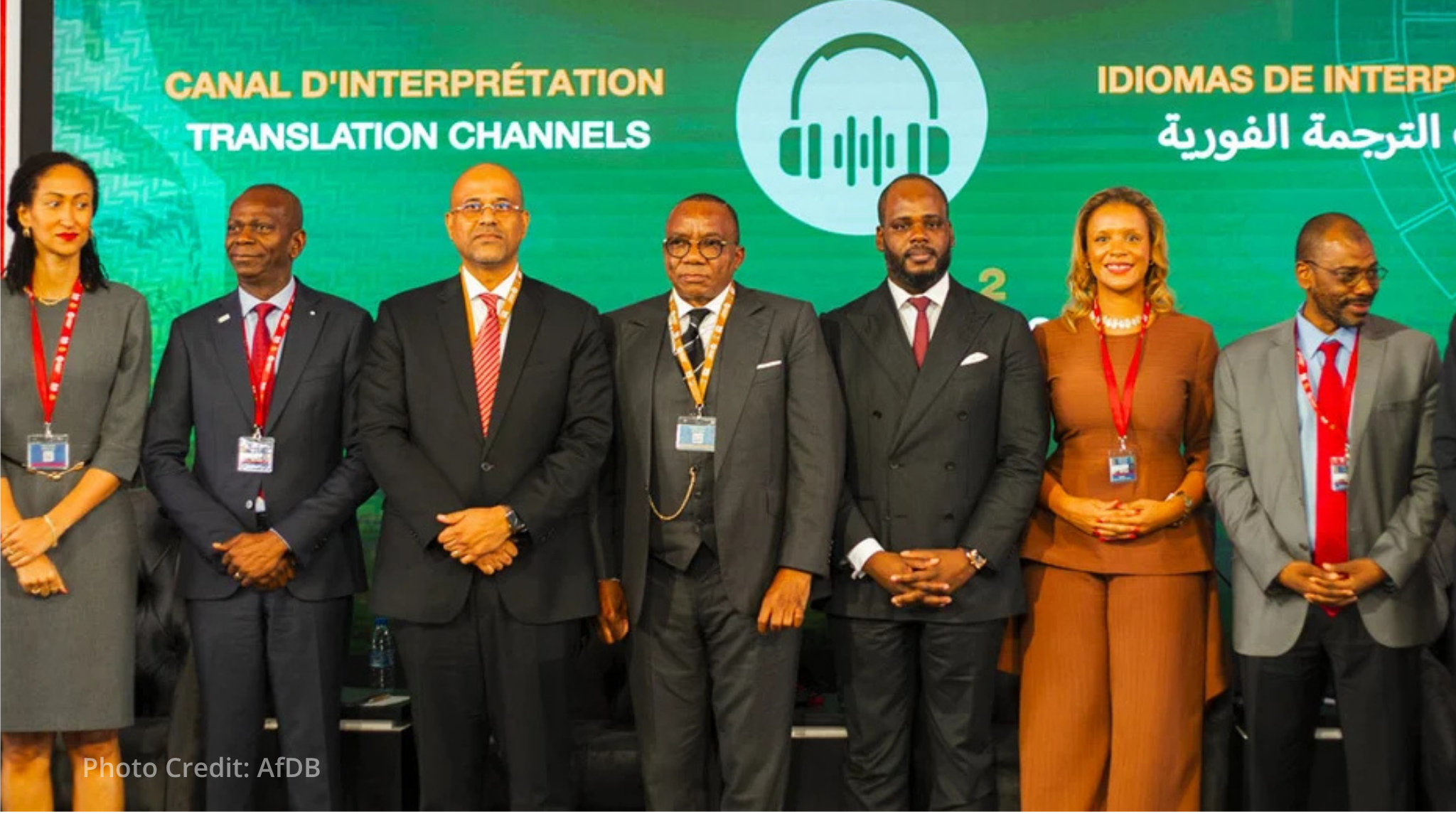
Development finance leaders, ministers, and entrepreneurs gathered in Brazzaville on Monday, on the sidelines of the African Development Bank Group’s (AfDB) 2026 Annual Meetings, to make the case that private enterprise and intra-regional trade are the principal engines of Africa’s transformation, according to a press release by the African Development Bank. The Private Sector Forum, organized by the Bank Group, convened under the theme of the role and challenges of private enterprise in developing economic corridors and the structural transformation of African economies through the industrialization of cross-border value chains and intra-regional trade. Participants placed private enterprise at the center of the continent’s economic future. The discussion brought together perspectives from regional employers, development institutions, and international partners. Speakers framed private sector growth as inseparable from intra-African trade integration.
In Africa, the private sector generates more than 80 percent of public revenue and more than 90 percent of jobs in the continent’s developing economies. Small and medium-sized enterprises (SMEs) account for roughly 90 percent of all private firms. Yet too few of them manage to grow into large enterprises, held back above all by limited access to finance. The forum took up this structural challenge as a central theme. Discussions explored how African economies might move beyond resource extraction toward diversified, industrialized growth.
Léandre Bassolé, Director General for the Central Africa region at the African Development Bank, represented the President of the Bank and placed the private sector at the heart of the institution’s strategic roadmap. “Driven under the leadership of President Sidi Ould Tah, our strategic vision recognizes a fundamental reality: the private sector is not a peripheral actor in development. It must become one of the central engines of Africa’s economic transformation,” he said. He added that mechanisms must connect African savings, institutional investors, commercial banks, development institutions, financial markets, and transformative projects. Bassolé urged participants to explore partnerships, innovation, and private enterprise as three pathways toward private sector-led economic transformation.
Tatsushi Amano, Executive Director of the Japan Bank for International Cooperation (JBIC), stressed the value of partnership, noting that Japanese companies are taking a growing interest in Africa’s potential. Mariam Yago-Touré, Managing Director at United Bank for Africa, urged that implementing the African Continental Free Trade Area should be a priority, highlighting the Pan-African Payment and Settlement System (PAPS) as a tool to facilitate intra-regional currency exchange. Nancy Chenard, Executive Secretary of UNICONGO, called for moving beyond extraction toward transformation, diversification, industrialization, and innovation. Ismaël Nabé, Guinea’s Minister of Planning, International Cooperation and Development, cited the Simandou 2040 project, a $20 billion mining venture, noting that more than 60,000 jobs have been created for the Guinean private sector. He added that 40 percent of the financing for development will come from the private sector.
The event also featured a presentation of the Bank Group’s Private Sector Development Strategy, including its role in financing entrepreneurship, SMEs, national champions, and African multinationals. The strategy also covers improving the business climate, facilitating access to socio-economic infrastructure, and providing direct financing to private enterprise. Michel Djombo, the Republic of Congo’s Minister for Industrial Development, Special Economic Zones and Private Sector Promotion, closed the event. He urged participants to draw lessons from the forum. Djombo personally committed to steering his department’s private sector support policies in line with the recommendations that emerged from it.