
Add us as your preferred source on Google to see more of our content in Search.
 Add to Preferred Sources
Egypt and the European Union are deepening their strategic partnership in renewable energy through a financing package of up to €690 million to upgrade and expand the Egyptian electricity network, according to a press release by the European Investment Bank (EIB). The package combines a €600 million loan from EIB Global, the development arm of the EIB, with up to €90 million in grants from the European Commission. Led by the state-owned Egyptian Electricity Transmission Company (EETC), the project aims to integrate 22 gigawatts of renewable-energy capacity into the grid by 2030. That capacity would be enough to supply around 10 million households with electricity. The initiative will modernize the national network and accelerate the integration of clean energy.
The project is one of the first concrete operations under the Trans-Mediterranean Renewable Energy and Clean-Tech Cooperation Initiative (T-MED), a flagship of the Pact for the Mediterranean. T-MED supports renewable energy and clean-tech cooperation between the European Union and its southern Mediterranean partners. The investment also advances the objectives of the EU-Egypt Strategic and Comprehensive Partnership. These include investment mobilization, renewable energy cooperation, and the transition to a more sustainable, secure, and competitive energy system. It further reinforces Egypt’s ambition to serve as a regional energy hub.
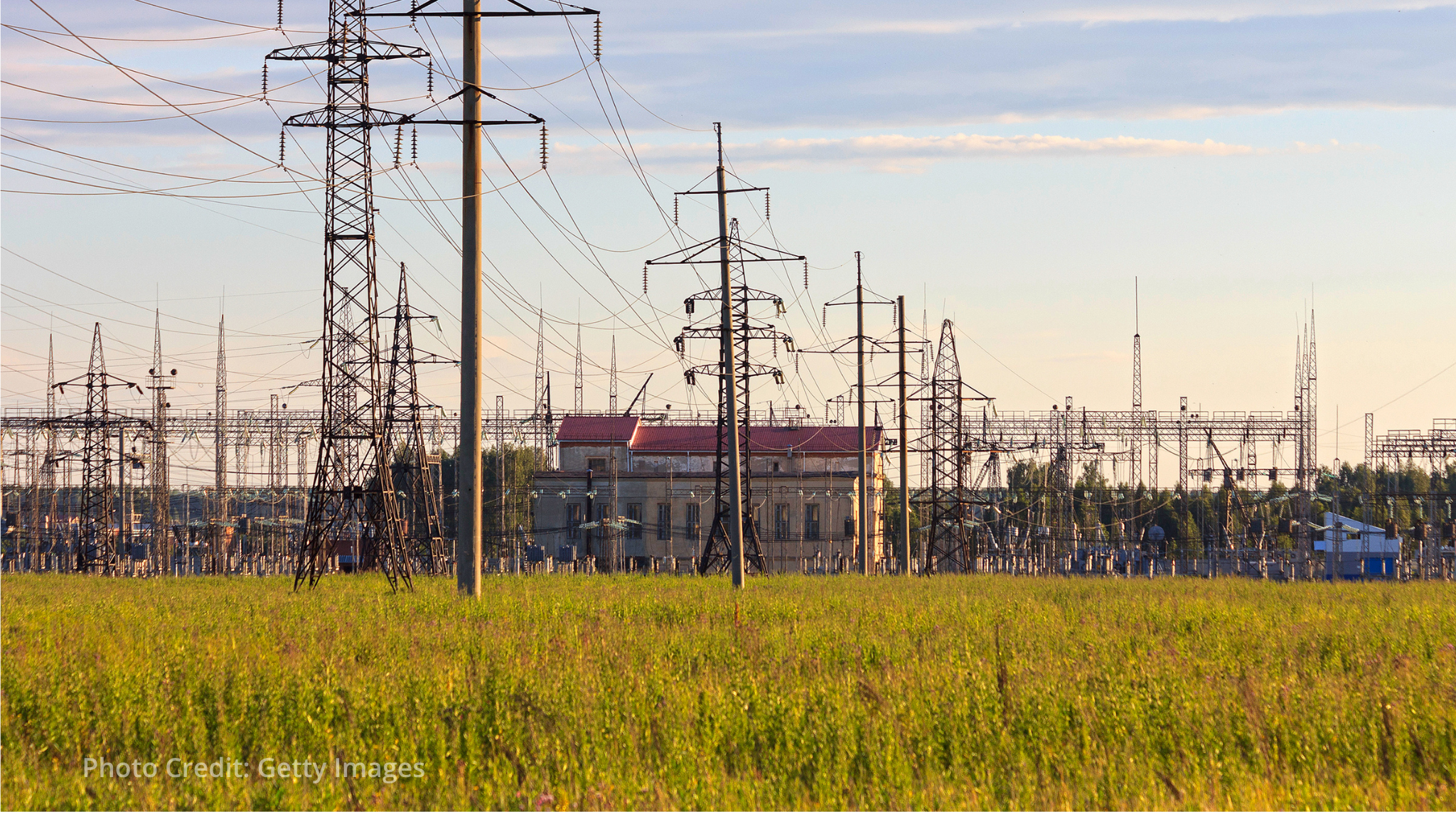
The program includes the construction of state-of-the-art substations and the installation of advanced transmission lines. These will integrate solar and wind power generated in the Red Sea and Gulf of Suez regions into the national grid. The investments are expected to reduce transmission losses, improve electricity reliability, strengthen energy security, and support sustainable economic development. They will also contribute to regional electricity cooperation and future clean-energy trade across the Mediterranean. The EU financing package represents 44% of the total cost, with the remaining funds provided by EETC’s own resources.
“This agreement reflects the strength of the partnership between Egypt and the European Union and our shared determination to advance the green transition,” said H.E. Badr Abdelatty, Minister of Foreign Affairs, International Cooperation and Egyptian Expatriates.
He added that the parties are taking an important step to modernize the electricity network, strengthen energy security, and create new opportunities for sustainable growth. European Commissioner for the Mediterranean Dubravka Šuica said the project will reinforce Egypt’s role in regional energy markets and create major business opportunities for local and European companies. EIB Vice-President Gelsomina Vigliotti described the agreement as a concrete example of what the partnership between Egypt and the European Union can achieve. She emphasized backing sustainable growth, greater energy resilience, and better opportunities for people and businesses across the country.
The EIB-supported phase will be carried out between 2027 and 2030. The government will act as borrower through the Central Bank of Egypt, while EETC will lead implementation. The work forms part of wider efforts to modernize the national electricity system. The shared financing structure reflects the joint commitment of Egypt and its European partners to deliver long-term investment in clean, reliable, and resilient energy infrastructure. Together, the partners aim to strengthen Egypt’s position as a regional clean-energy hub.