
Add us as your preferred source on Google to see more of our content in Search.
 Add to Preferred Sources
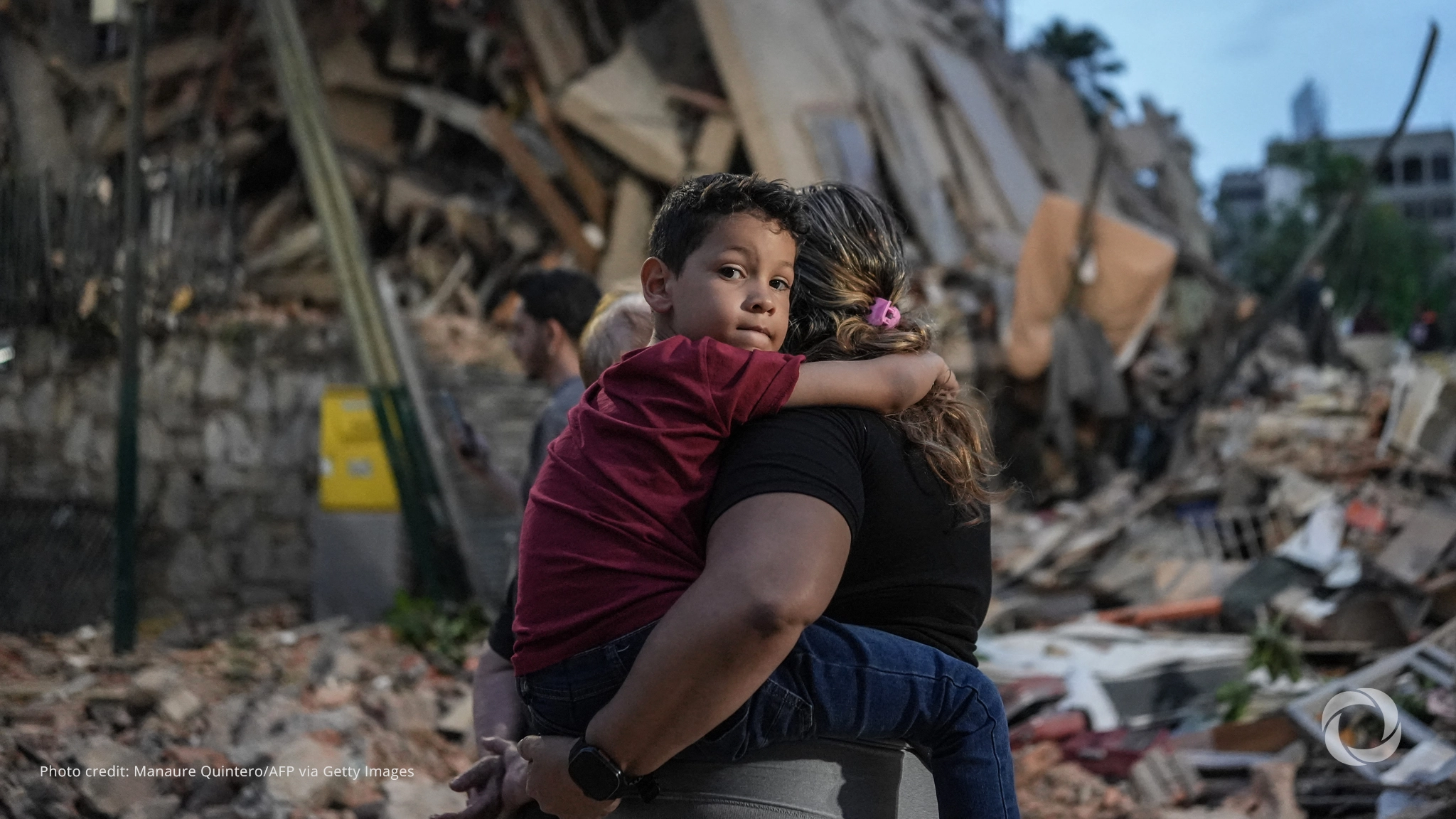
UNICEF estimates that 1.8 million people, including 680,000 children, require humanitarian assistance following the earthquakes that struck Venezuela on 24 June, according to a press release. The first UNICEF aid flight, carrying medical supplies, water and sanitation items, has arrived in Venezuela. The agency announced the figures on 27 June from Caracas and New York. Hospitals, schools, and water systems have sustained widespread damage across several states. UNICEF has activated a scaled-up emergency response in coordination with the Government of Venezuela and humanitarian partners.
Two earthquakes of magnitude 7.2 and 7.5 struck within a minute of each other on 24 June, marking the most significant seismic event to affect Venezuela in over a century. Preliminary satellite analysis found that nearly a third of buildings in Catia La Mar, in La Guaira state, have been damaged. The area is the worst-hit zone assessed so far. Authorities are using undamaged schools as temporary shelters for displaced families. The disaster has disrupted essential services across multiple states.
Hospitals across La Guaira, Caracas, Carabobo, Aragua and Falcón states have sustained severe damage, pushing some facilities to critical capacity. Care for children and pregnant women has been disrupted as a result. In the Capital District alone, preliminary information indicates that 432 schools — more than a third of all schools in the district — have been damaged. The toll is expected to be higher in other states once assessments are complete. Education for thousands of children has been interrupted.
“Three days into the response, the scale of need is becoming clearer,” said Manuel Rodriguez Pumarol, UNICEF Representative in Venezuela.
He noted that hospitals are operating beyond capacity, thousands of children lack reliable access to safe water, and many schools have been damaged. UNICEF aims to reach an estimated 650,000 people, including 234,000 children, with assistance across health, nutrition, water and sanitation, child protection and education. A first air shipment of 20 metric tons of medical supplies, water and sanitation items arrived in Valencia from UNICEF’s regional warehouse in Panama on 27 June. A second shipment from UNICEF’s global supply hub in Copenhagen is planned in the days ahead.
Together, the two shipments are expected to support more than 100,000 people. UNICEF estimates that US$52 million is required to respond to the earthquake emergency. This figure is part of its wider 2026 Humanitarian Action for Children appeal for Venezuela, which stands at US$137.6 million. The agency has already mobilized approximately US$3.5 million from its own internal emergency funds for rapid initial deployment of supplies and staff. UNICEF is calling on donors for additional, flexible funding to sustain and scale up the response.