
Add us as your preferred source on Google to see more of our content in Search.
 Add to Preferred Sources
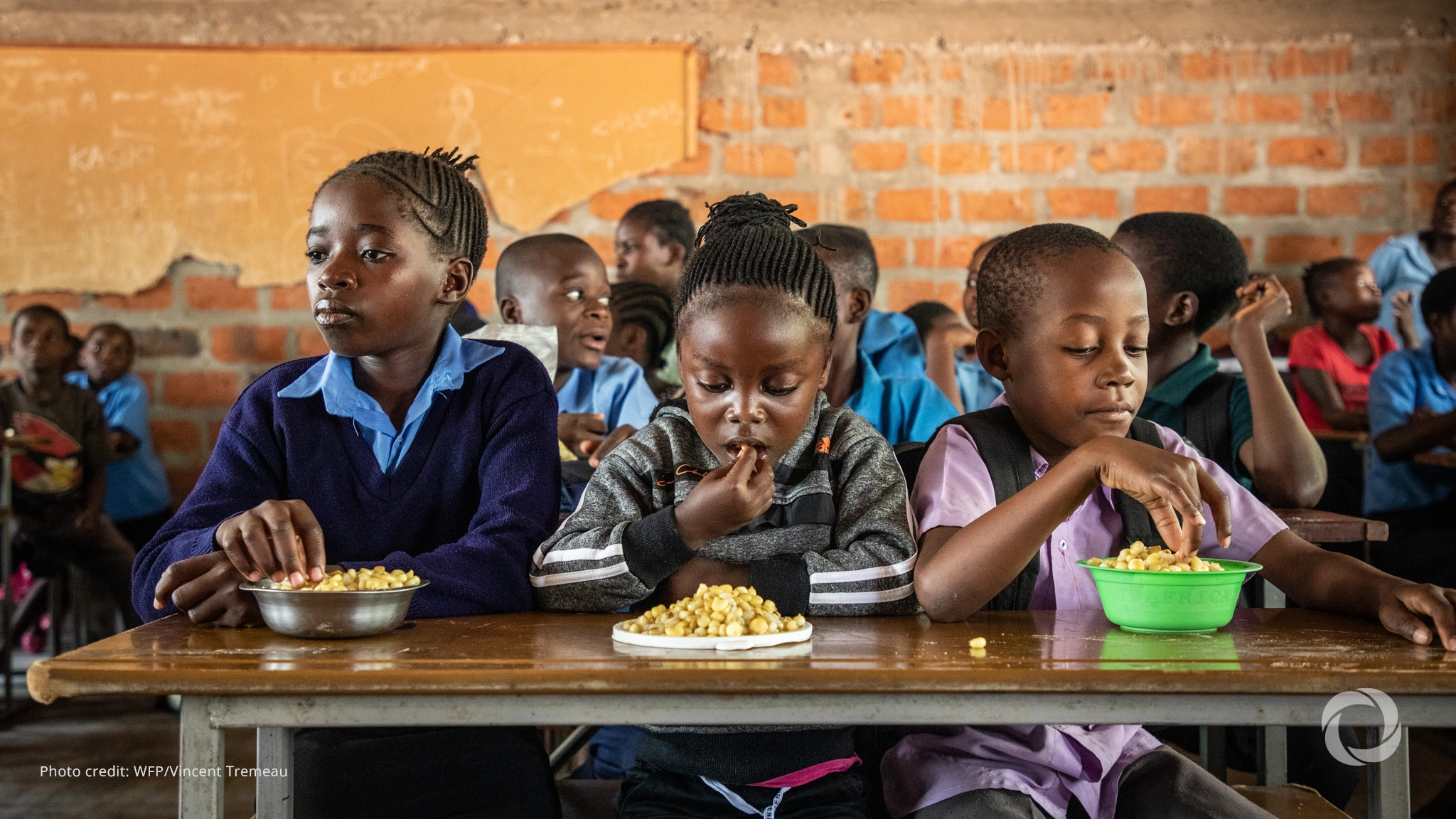
The United Nations World Food Programme (WFP) has received a USD 1.2 million contribution from the Government of Japan to deliver daily nutritious school meals to more than 14,000 children and 178 school support staff in Somalia’s Southwest and Jubaland states through February 2027, according to a press release by WFP. The funding will support home-grown school meals delivered through value vouchers, allowing schools to source food locally. This approach aims to strengthen both child nutrition and local economies in the country.
The vouchers will enable schools to procure a variety of foods, including cereals, fresh produce, and animal protein from local retailers and farmer cooperatives. This model is designed to boost livelihoods and local markets while improving children’s nutrition. Japan has been a steadfast partner of WFP in Somalia, having contributed USD 37 million since 2021. That funding has supported emergency relief, nutrition, school meals, and livelihoods initiatives across the country. The new contribution builds on this multi-year partnership.
Somalia continues to face a severe hunger crisis affecting millions. One in three Somalis, or an estimated six million people, face crisis-level hunger or worse (IPC3+). Nearly two million face emergency hunger (IPC4). Drought, insecurity, falling humanitarian funding, and the ripple effects of the conflict in the Middle East are deepening the crisis. Funding shortfalls have cut WFP’s school meals coverage from a high of nearly 200,000 students in 2023 to just over 120,000 today, while more than 4.5 million children remain out of school.
“School meals keep children in school, even during crises. In 2025, retention rates in WFP-supported schools reached 98 percent, and amid the current hunger emergency, these meals are often the only reliable source of food for thousands,” said Hameed Nuru, WFP’s Representative and Country Director in Somalia.
He added that with Japan’s support, children in Somalia continue to receive the nutrition they need to learn and thrive. Nuru expressed deep gratitude for the commitment.
The contribution will sustain school meals operations through February 2027 across the targeted regions. It aims to preserve enrollment and retention gains achieved under the program. WFP and Japan continue their partnership to address both immediate food needs and longer-term development goals in Somalia. The initiative reflects a combined focus on education, nutrition, and local market support.