
Add us as your preferred source on Google to see more of our content in Search.
 Add to Preferred Sources
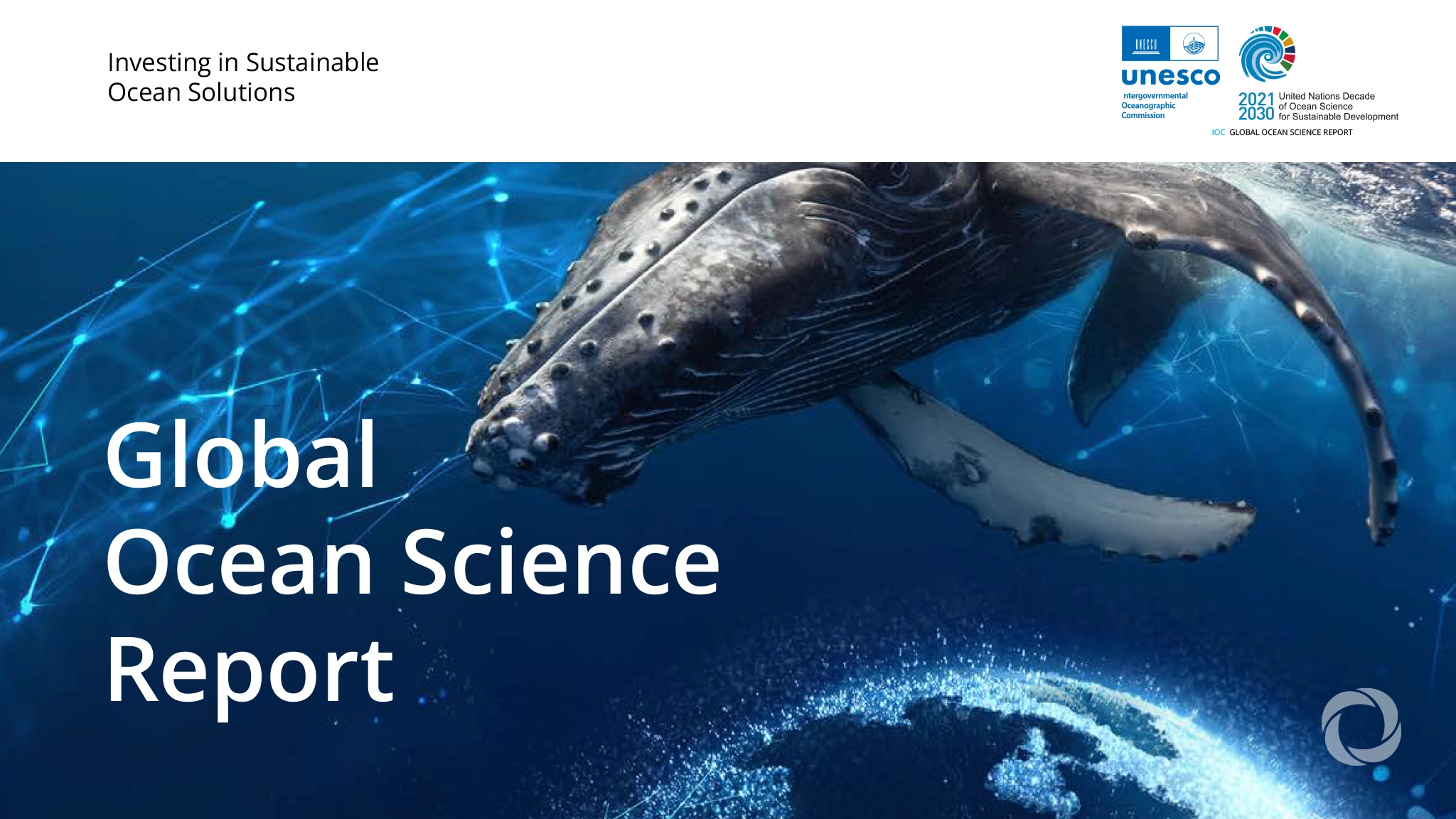
The Intergovernmental Oceanographic Commission (IOC) of UNESCO released the Executive Summary of the 3rd edition of the Global Ocean Science Report (GOSR) on 30 June 2026 in Paris, describing it as the most complete picture of ocean science ever assembled, according to a press release. The launch took place during a side event at the 59th Session of the IOC of UNESCO. The report tracks global capacity in ocean science, investment in that capacity, and the collaborations and outputs supporting ocean understanding, innovation and the blue economy. It is designed to guide Member States as they decide what is needed for a sustainable ocean. Its central message is that the ocean underpins climate, food, livelihoods and the future of life on Earth.
GOSR is presented as a flagship assessment of ocean science worldwide. It gathers evidence on the people, infrastructure and partnerships that generate ocean knowledge. The Executive Summary distills findings intended to inform policy and investment. According to the report, the ocean is an economic powerhouse, rivalling the world’s largest national economies. It also makes up 95% of the biosphere, described as the planet’s life support system.
Despite this scale, less than 1% of national research budgets goes to ocean science, covering the people and infrastructure needed to understand and protect the ocean. Even with insufficient support, the returns are high. Ocean science publications have doubled in 15 years. Women now make up over 40% of the workforce. More than 80% of countries generate science together, a collaboration described as vital for developing nations, and philanthropic funding has almost tripled.
The report also identifies wide gaps that remain. Just ten countries run two-thirds of the world’s research vessels. Only one in four UN Ocean Decade actions is fully funded. As the report states, “Funding is short, access to technology is unequal, and time is running out.” Access to technology remains unequal across regions.
The world is more than halfway through the UN Ocean Decade, and the report outlines a clear pathway to 2030. That pathway calls for more skilled people, deeper collaboration, and better tools for decision-making. To achieve this, the ocean needs a bigger part of the budget. The report frames the stakes plainly: the future of the ocean is the future of us all. The Executive Summary is now available for review by Member States and stakeholders.