
Add us as your preferred source on Google to see more of our content in Search.
 Add to Preferred Sources
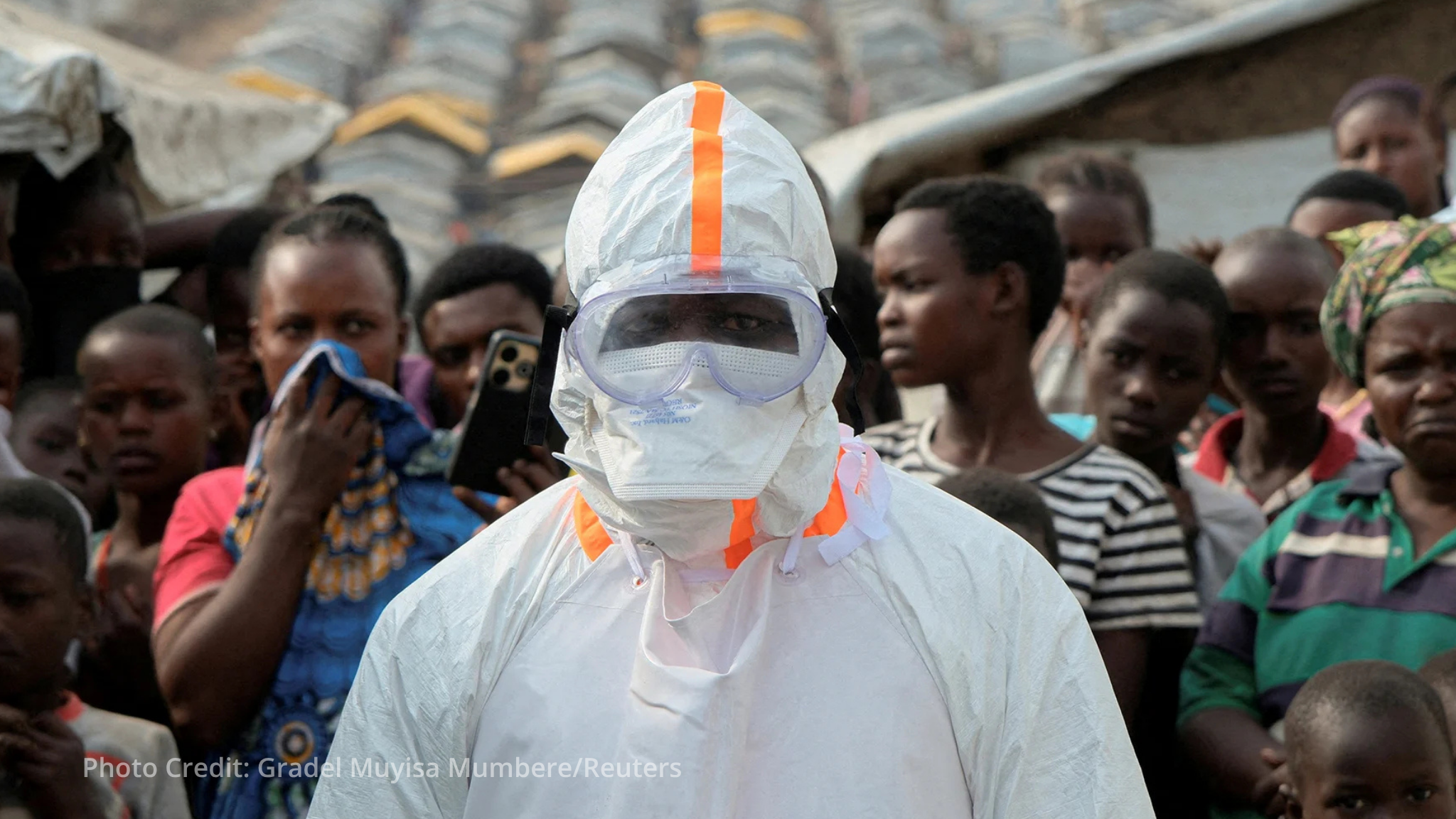
As Uganda works to contain an Ebola outbreak also affecting the neighboring Democratic Republic of the Congo (DRC), health workers are helping families navigate fear, misinformation, and stigma, according to a press release by UN News published on 4 July 2026. Anthropologists deployed with the World Health Organization (WHO) are working alongside local authorities to ensure that suspected patients can be safely reintegrated into their communities. Their role bridges the gap between response teams and affected families. The account highlights a single Sunday in Kampala, where one call set in motion a 15-hour effort. It illustrates how community engagement is central to a dignified outbreak response.
According to the latest figures, more than 1,400 confirmed cases of Ebola Bundibugyo virus disease, including 350 deaths, have been reported in the two countries. More than 90 per cent of infections are concentrated in Ituri province in DRC, a major cross-border trading hub with Uganda. The province has been ravaged by years of armed conflict. Cross-border movement heightens the risk of further spread. Uganda’s response continues to combine clinical care with community outreach.
On a Sunday morning in Kampala, Dr Chris Opesen, an anthropologist with WHO, received a call from local authorities shortly after 5:30 a.m. A woman, referred to as Lilian, had presented three days earlier with symptoms consistent with Ebola and been transferred to the Ebola isolation unit at Mulago Hospital. Over 36 hours, Dr Opesen remained in regular contact with her family as anxiety in the community grew. Together with colleagues from the Kampala Capital City Authority, he convened a meeting with Lilian’s family and neighbors. The group elected a chairperson and a secretary, Lilian’s sister Angela, to structure the dialogue.
Dr Opesen and his colleague Henry Bwire, a surveillance focal point with the Kampala Capital City Authority, also spoke with a local shopkeeper who had allegedly stigmatized Lilian’s mother.
“Ebola is a disease that everyone fears,” Mr. Bwire explained. “Sigma can come through miscommunication and fear, both of which were present in this case. It was our role to bring Lilian back and clear up that miscommunication and reduce that fear in the community.”
The shopkeeper later reassured the team that Lilian would be treated with respect.
At around 6:30 p.m., laboratory results confirmed that Lilian was negative for Ebola, having been treated for a bacterial infection. She returned home escorted by a member of Uganda’s national Emergency Medical Team, where family and neighbors had gathered. Dr Opesen brought a cake and bottles of water, which Lilian shared with those present as a symbol of acceptance. “My role in the response gives me satisfaction,” Dr Opesen said, describing the day as rewarding. By 9 p.m., more than 15 hours after it began, his day on the frontline was complete.