
Add us as your preferred source on Google to see more of our content in Search.
 Add to Preferred Sources
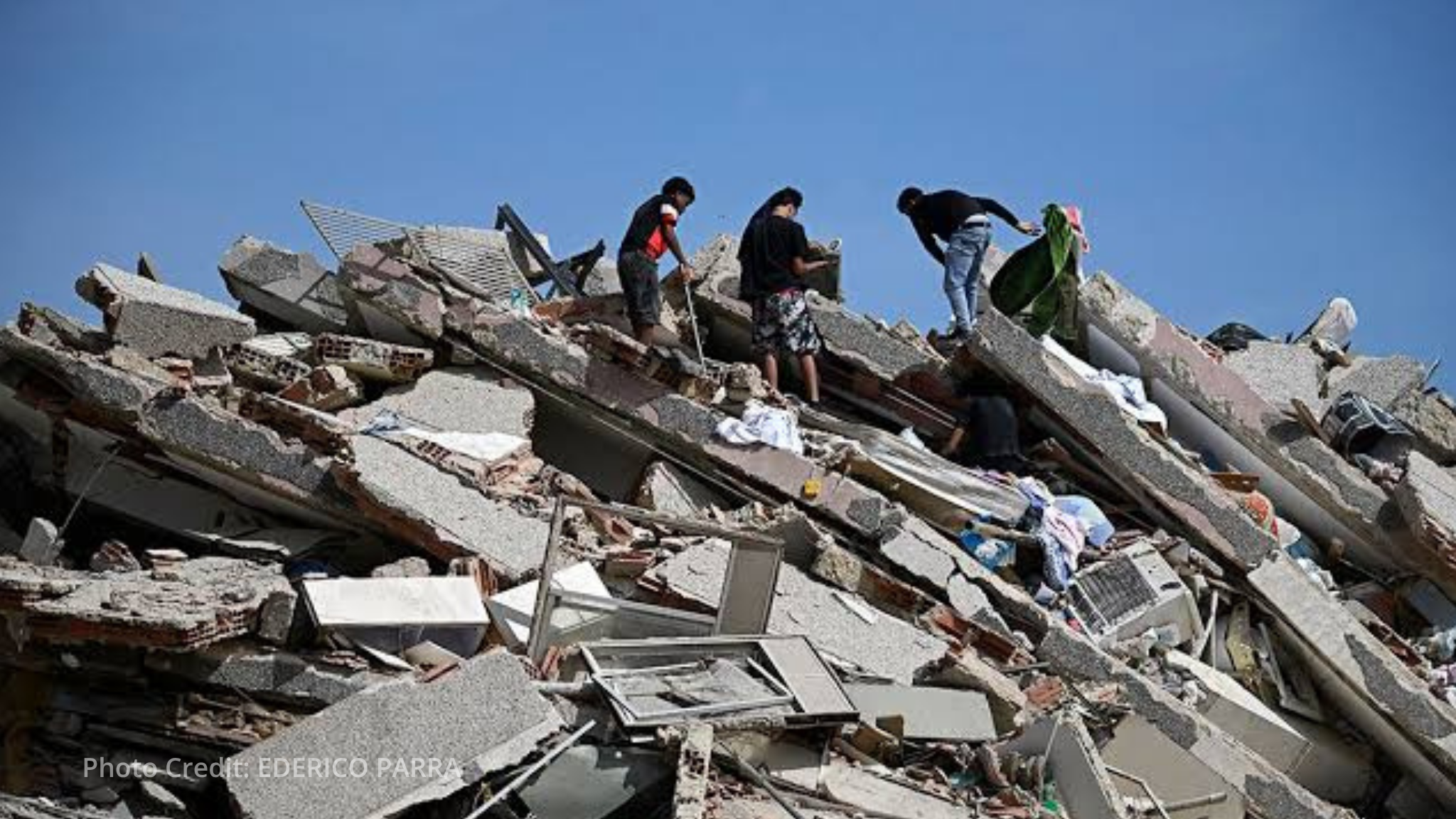
One month after devastating earthquakes struck Venezuela, thousands of people remain in temporary shelters as they attempt to rebuild their lives, according to a press release by the Norwegian Refugee Council (NRC). Up to 1.3 million people require humanitarian assistance in the affected areas, over 700,000 more than before the earthquakes. The Humanitarian Response Plan has been revised, increasing requirements by nearly 50 per cent to support 6.2 million people during an initial six-month response. However, the plan is currently only 39 per cent funded. NRC has urged that international attention and financial support be stepped up without neglecting those who already required humanitarian assistance.
Prior to the earthquakes, over one quarter of Venezuela’s population was in need of humanitarian assistance. Humanitarian organizations were already responding to significant needs, including protection, education, health, water and sanitation, and livelihoods. The revised response plan integrates these existing priorities with emergency earthquake assistance within a single framework. Total funding requirements increased from 632 million US dollars to 931.3 million US dollars, including 298 million US dollars for earthquake response activities. As of 22 July, 365.1 million US dollars had been received against these requirements.
Nearly 24,000 children have had their education disrupted following the earthquakes, adding to the number of children needing education support. The education sector is under 5 per cent funded, after years of underfunding that have left needs consistently unmet. In the Capital District alone, 432 schools — around a third of all schools — have been affected by the earthquakes. According to Education Cannot Wait, 34 schools are currently serving as temporary shelters. The education sector accounts for approximately 10.2 per cent of the total humanitarian appeal, or 94.5 million US dollars.
“The first month after a disaster often brings global solidarity and attention. The real test now is whether that support continues after the headlines start to fade,” said Elena Vicario, NRC’s country director in Venezuela. She stressed that families who lost homes, livelihoods and access to essential services cannot rebuild their lives on short-lived commitments. Vicario added that new funding must complement, not replace, support for existing humanitarian needs. She called on donors to sustain funding across all sectors and strengthen existing capacities in Venezuela.
NRC’s emergency response began with assessing needs in 16 temporary shelters and has since expanded significantly. During the first month, NRC assisted more than 2,400 displaced people, distributing hygiene kits and essential items while providing psychosocial support for children and legal counselling for those who lost civil documentation. Since 8 July, NRC has reached more than 200 children aged 5 to 16 with educational activities. The organization plans to set up 10 temporary learning spaces where 600 children can receive educational kits and psychosocial support. NRC has worked in Venezuela since 2005 and reached more than 71,000 people across four border states in 2025.