
Add us as your preferred source on Google to see more of our content in Search.
 Add to Preferred Sources
The Bundibugyo Ebola outbreak in eastern Democratic Republic of Congo and Uganda has reached more than 1,035 deaths across roughly 2,557 confirmed cases, according to a press release by Direct Relief. The humanitarian medical organization is actively responding to the outbreak and remains in close contact with frontline partners. Its work includes coordination with regional and international bodies such as Africa CDC and the International Organization for Migration. This engagement is designed to help the organization respond quickly as needs are identified. The scale of the crisis underscores the urgency of sustained medical support in the affected regions.
Direct Relief’s response is part of a broader weekly operation that delivered 420 shipments of requested medical aid to 38 U.S. states and territories and 20 countries worldwide. The shipments contained 7 million defined daily doses of medication. Items dispatched this week included treatments for rare diseases, cystic fibrosis medications, chemotherapy, nutritional supplements and prenatal vitamins. Since January 1, 2026, the organization has delivered 12.8K shipments to 2,258 partner organizations in 53 U.S. states and territories and 85 countries. These year-to-date shipments contained 204.1 million defined daily doses of medication valued at $1 billion (wholesale).
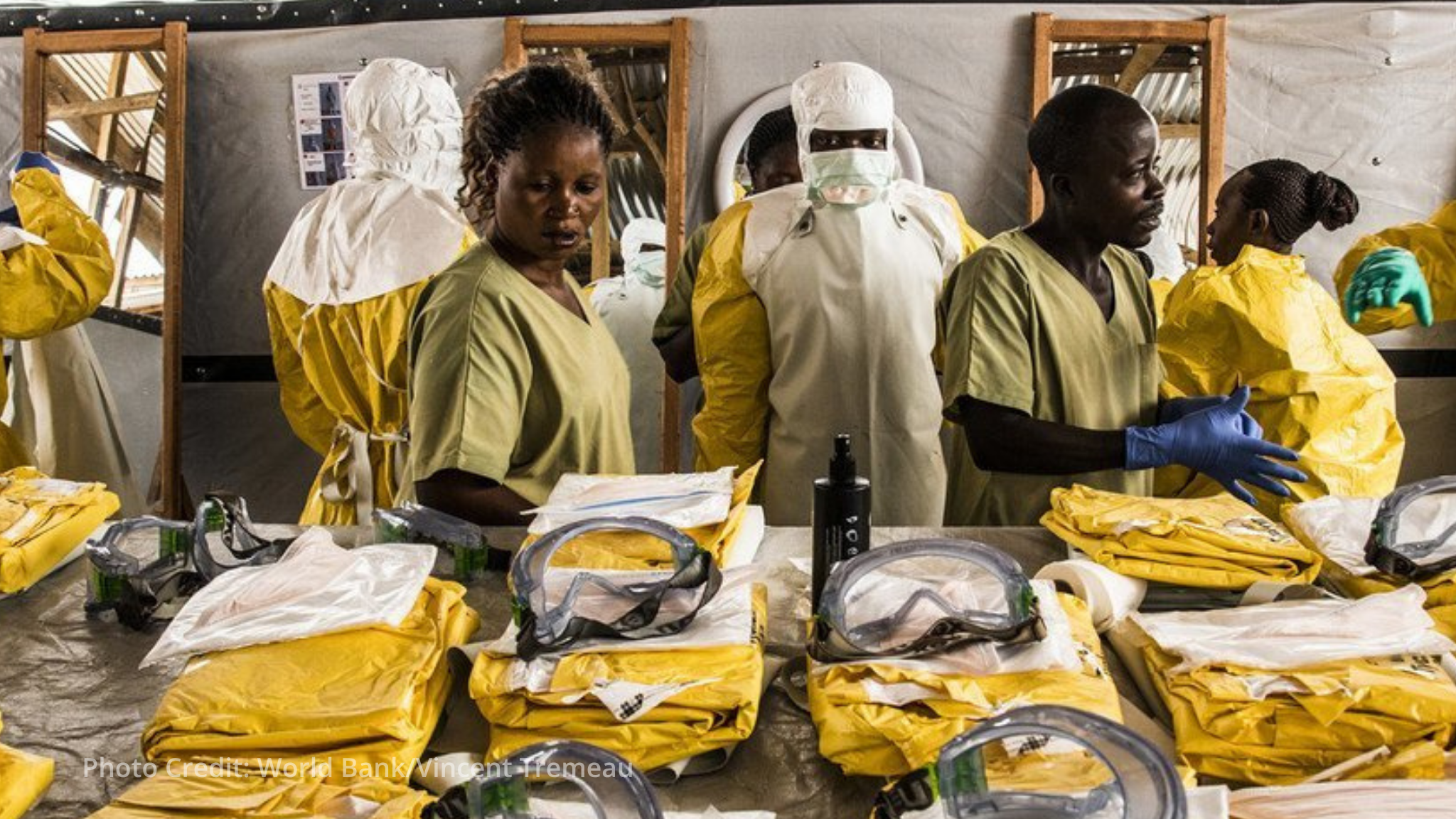
To date, Direct Relief has sent 8 shipments totaling 137 pallets (19.5 tons), valued at $11.3 million, to four partner organizations addressing the Ebola outbreak. VillageReach in Bunia, Ituri, received more than 262,000 N95 respirators donated by 3M, along with protective coveralls, eye protection, and essential medicines. Jericho Road Wellness Clinic in Goma, North Kivu, received a $2.5 million shipment of protective gear, supportive care treatments, diagnostics, and medicines. The Association des Diabétiques du Congo (ADIC) in Goma received insulin, injection supplies, and emergency clinic medications. IOM at the Juba-DRC border received anti-infectives, NCD medications, oral rehydration salts, water purification supplies, and PPE.
Beyond the Ebola response, Direct Relief is supporting other emergencies across Africa. In Kenya, Alabaster International recently completed a medical relief trip using donated supplies to treat approximately 690 patients in remote villages including Endonyolasho, Lolupe, and Letea. The team, partnering with local Community Health Workers from Letea Dispensary, addressed malnutrition, upper respiratory infections, diarrheal diseases, and skin conditions such as scabies and dermatitis. After a community feeding program stopped in January, the team assessed more than 40 children, finding that roughly 30% showed signs of malnutrition.
“This is the power of mobile medicine, community partnership, and the care that Direct Relief makes possible,” the group noted in its trip report.
In Mozambique, which continues to face combined flooding and cholera outbreaks, IOM facilitated the delivery of essential health commodities to the Ministry of Health through its partnership with Direct Relief. The shipment included cholera kits, personal protective equipment, emergency medical backpacks, antiparasitic and anti-infective agents, electrolyte and hydration therapies, and orthopedic supports. These items will support cholera prevention and response activities addressing health needs resulting from climate shocks and displacement. Globally, Direct Relief shipped over 6.7 million defined daily doses of medication, totaling 94,803 pounds, to countries including Ukraine, India, Mexico, Syria, Jordan, Chad, Eritrea, and Bolivia. Ensuring the availability of essential medicines remains central to responding to immediate health needs and reducing the risk of further disease transmission.