

Add us as your preferred source on Google to see more of our content in Search.
 Add to Preferred Sources
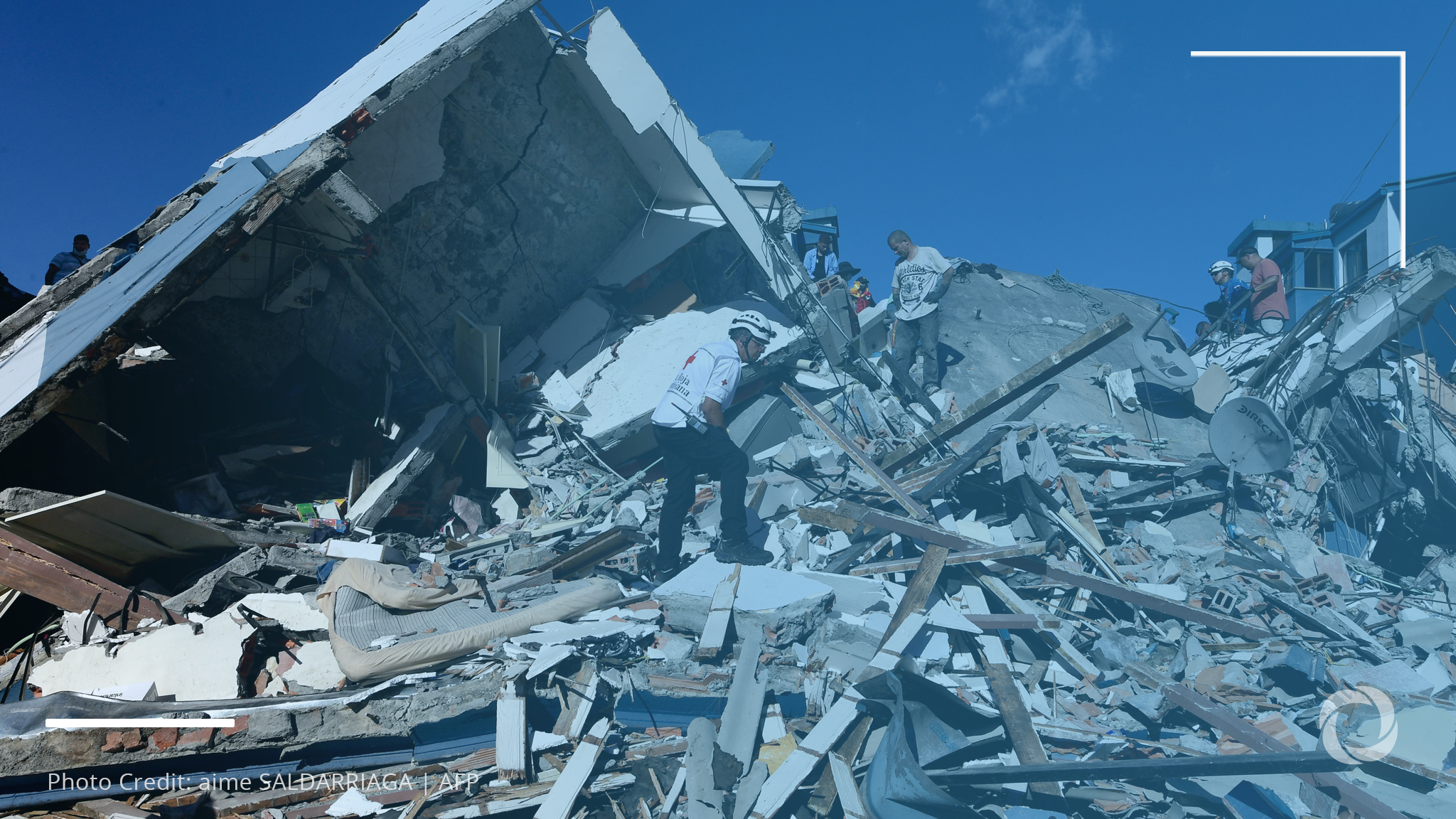
A powerful earthquake hit the South American nation of Colombia on August 10, 2026, at 7:34 a.m. local time (1:34 p.m. CET). According to the United States Geological Survey (USGS), the epicenter was five kilometers south of San José del Palmar in the country’s west, and the earthquake measured magnitude 7.4, which officials classified as a major natural disaster. Although reports are still coming in, local authorities have identified at least 132 people killed and at least 570 injured, with most of the casualties occurring in Pereira, the capital of the Risaralda Department and the most populated hub of the nation’s famous Coffee Axis.
As of August 11, approximately 2,700 people are reported as missing, with many still trapped inside collapsed or damaged buildings, such as that of a hospital located in Cali that was filmed collapsing in real-time. The local governor, Dilian Francisca Toro, confirmed that people were trapped inside the hospital and the efforts were underway to rescue them.
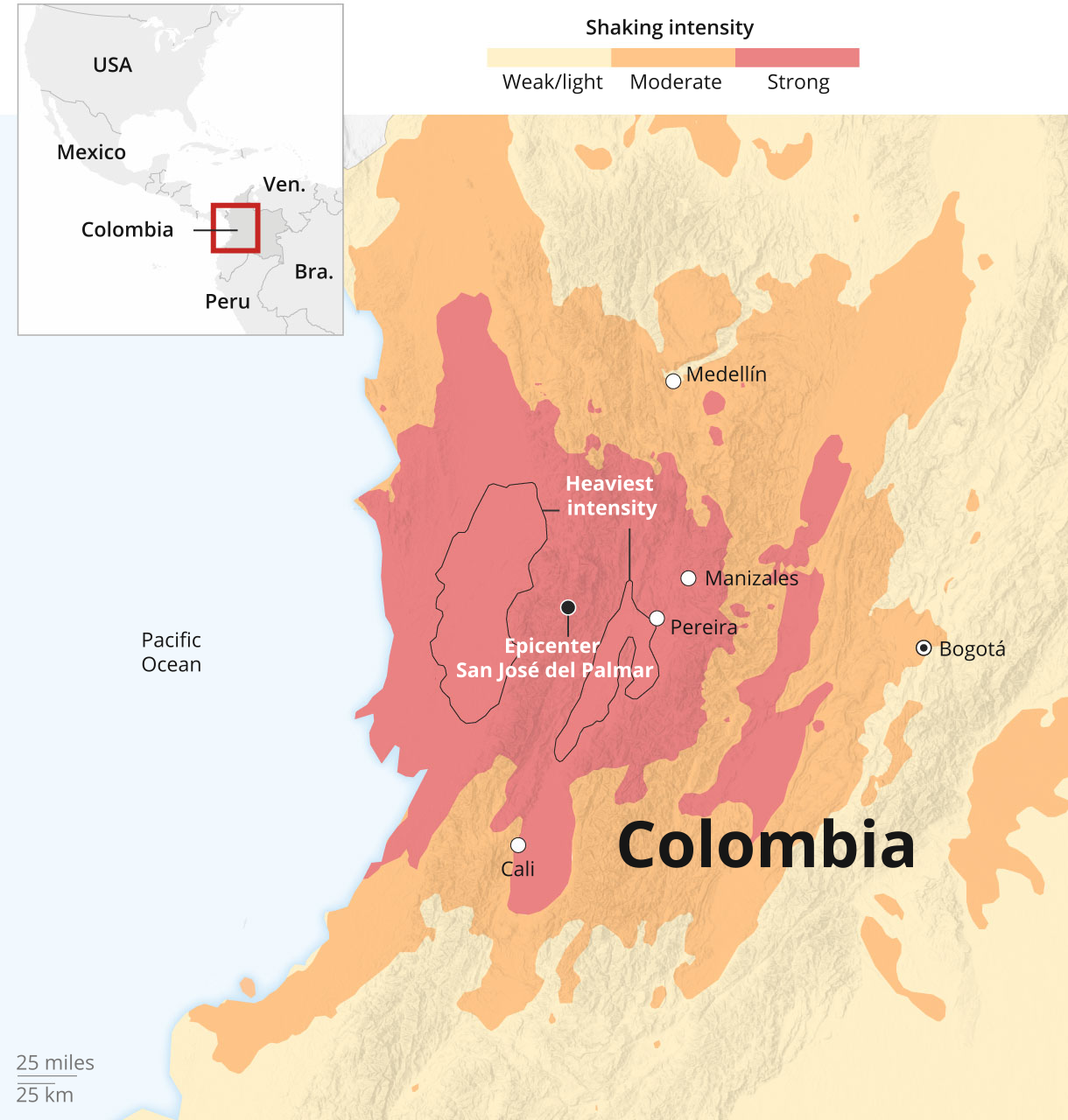
Source: CNN
In response to the earthquake, newly elected Colombian President Abelardo de la Espriella declared a national state of emergency to free up the deployment of resources, including military assistance. De la Espriella is a close ally of President Donald Trump. He won the presidential race on June 21, 2026, with a razor-thin margin, and only assumed office on August 5, just five days before the earthquake struck.
International response to the earthquake
The United Nations offered its support to Colombia following the earthquake, with UN Deputy Spokesperson Farhan Haq saying:
“Our thoughts go out to all who have suffered as a result of the earthquake, and we stand ready to help as needed.”
The UN’s in-country teams in Colombia are liaising with national authorities and preparing an initial response meeting to determine needs and what assistance can be mobilized.
Other relief organizations are also moving to bring relief to the people of Colombia, including the Colombian Red Cross, which has sent search-and-rescue responders, World Central Kitchen, which is teaming up with local partners to provide food for people forced from their homes, and Direct Relief, which is offering emergency medical equipment and supplies.
The U.S. State Department announced US$15.5 million in emergency funding for emergency shelter, food, protection, and earthquake assessments in a post on the social media platform X. State Department Secretary Marco Rubio, also on X, said that the U.S. “stands ready to support” the people of Colombia.
The United Arab Emirates’ Ministry of Foreign Affairs offered its condolences to the families of those killed and a speedy recovery also on the social media platform X.
Closer to home, El Salvador President Nayib Bukele said that his country was ready to provide rescue teams, medical personnel, supplies, and other assistance if requested. Ecuador offered to provide 47 search-and-rescue experts, specialized dogs, and various forms of equipment.
Mexican President Claudia Sheinbaum also pledged “all the support” Colombia needs during her morning briefing.
Brazilian President Luiz Inácio Lula da Silva said his country was ready to send “any help required.”
Neighboring Venezuela has already dispatched a special rescue brigade alongside humanitarian cargo.
European Commission President Ursula von der Leyen said that the EU was “ready to provide more support” for Colombia after mobilizing Copernicus, the EU’s satellite service, to help with rescue operations.
Many of the biggest names in Latin music also expressed their condolences following the earthquake, including Shakira, Karol G, and Maluma.
A region battered by natural disasters
The magnitude 7.4 earthquake that hit Colombia was the strongest ever recorded in the country in the 21st century and was felt as far afield as Ecuador. It follows two powerful earthquakes (magnitude 7.2 and 7.5) that struck neighboring Venezuela on June 24, 2026. Venezuelan authorities reported at least 6,300 deaths, 16,740 injuries, and thousands of people rendered homeless or reported missing.
According to the World Food Programme, more than 120,000 people required food assistance following the twin quakes in Venezuela and 500,000 people still need emergency assistance of some kind. The World Bank estimates that the earthquakes in Venezuela caused US$19.6 billion in direct physical damage and generated 2.1 million tons of debris, whose removal and disposal will cause lingering environmental and health effects for years to come.
The U.S. Embassy in Caracas stated that its financial commitment for assistance to Venezuela as a result of the earthquake was more than US$386 million and that 400 metric tons of supplies were delivered, including shelter kits, hygiene kits, buckets, tarps, and kitchen sets.
However, after all the initial media attention faded and the foreign rescue teams went home, reports began emerging that continuing efforts to supply aid were severely lacking, and even today more than 23,000 people are still being housed in “temporary” camps. United Nations relief chief Tom Fletcher had to issue an appeal for more assistance to try and bridge a US$627 million funding gap in early July.
There are also reports of widespread social unrest as many believe the government “botched” its response to the earthquakes, although Acting President Delcy Rodriguez dismissed these criticisms as the result of “foreign propaganda.” Many people in Venezuela are still recovering from the August 21, 2018 earthquake that struck just off the coast, where the sluggish response was deemed by many as a political metaphor for the inadequacies of the ruling government.
Both Colombia and Venezuela lie on key fault lines, making the entire region prone to earthquakes. In 1868, one of the worst earthquakes in South American history struck, killing more than 70,000 people across Ecuador and Colombia. In 1797, a magnitude 8.3 earthquake hit Ecuador, killing 40,000 people across several cities and towns. In 1812, three earthquakes struck Venezuela in quick succession, destroying, according to some estimates, around 90% of the capital of Caracas and leaving more than 26,000 people dead.