
Add us as your preferred source on Google to see more of our content in Search.
 Add to Preferred Sources
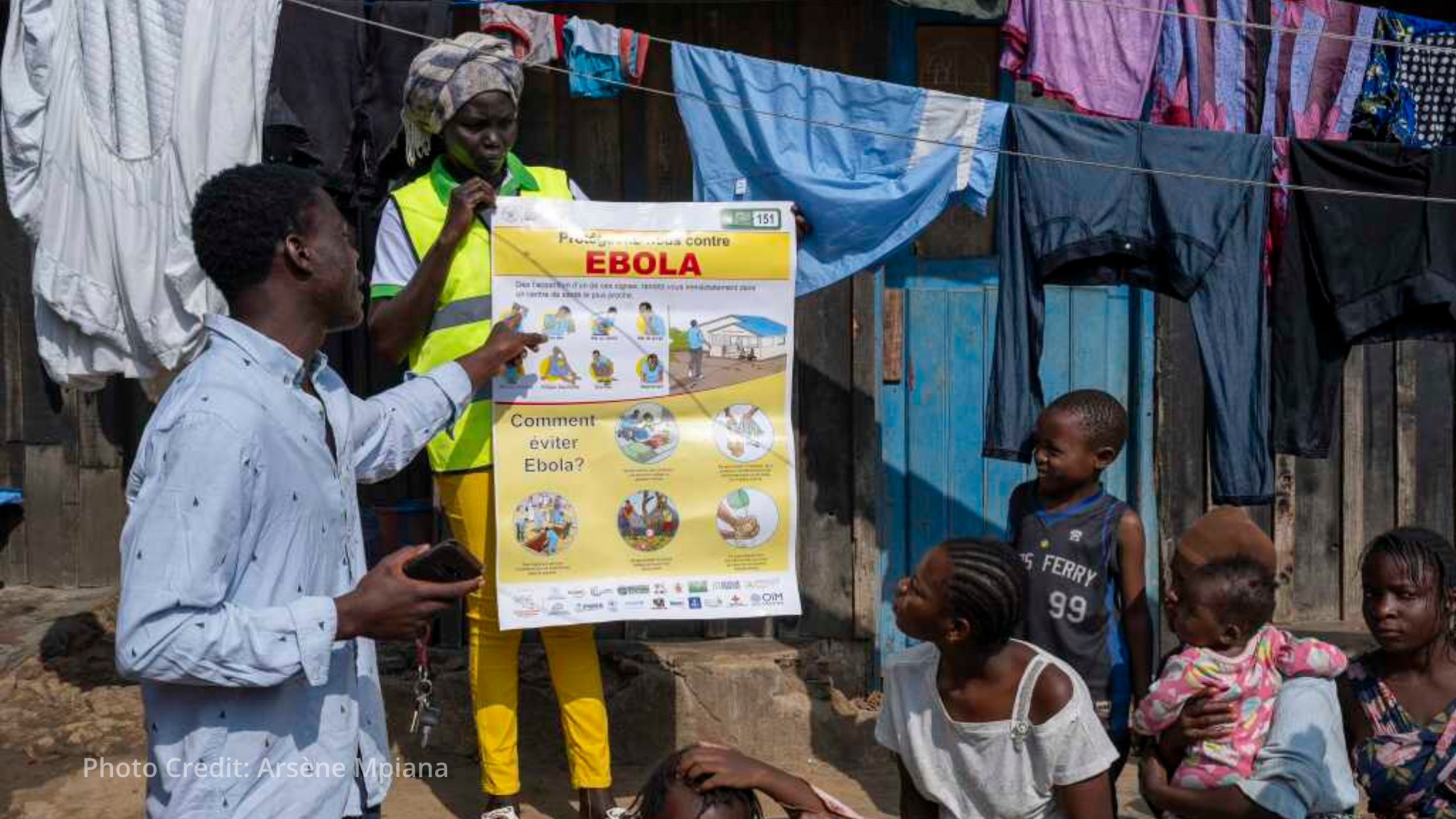
In the east of the Democratic Republic of Congo, the Ebola virus continues to spread, prompting the Deutsche Gesellschaft für Internationale Zusammenarbeit (GIZ) and its local and international partners to intensify preventative measures, according to a press release. Since no vaccine exists against the Ebola strain responsible for the current outbreak, prevention remains the most important form of protection. Conflict conditions further complicate care for the ill. GIZ is protecting health care workers and raising public awareness. Building trust among the local population is described as crucial to success.
At the start of the outbreak, skepticism and mistrust spread among the population, particularly toward medical staff. Through the German Epidemic Preparedness Team (SEEG), GIZ is working with church agencies, which are highly respected and act as key intermediaries. They provide basic information on the disease, on protection from infection, and on the correct handling of suspected cases. More than 140 health care facilities are benefiting from this educational work. GIZ has also set up an online crisis portal in East Africa offering information on current outbreaks in local languages.
Norman Nausch, Head of the German Epidemic Preparedness Team (SEEG) at GIZ, said, “When it comes to infectious diseases, misinformation and myths often arise. It is important to take people’s fears seriously and to fill gaps in public awareness.”
Local health care professionals in Eastern Congo have received protective equipment, which is now being used locally. GIZ is also training staff to use the equipment safely and treat patients without becoming infected. Further sessions teach health workers in East Africa to recognize symptoms early, provide care for seriously ill patients, and discuss infection risks with families.
Burkard Kömm, who heads a pandemic preparedness project in East Africa at GIZ, said, “Local health care workers in Eastern Congo are literally on the front line. If they are better protected, so are their patients.”
He added that a major advantage is working with local experts who supported the response during the 2016 Ebola outbreak in West Africa. These experts understand community needs and can build lasting trust. Health care professionals then pass on the knowledge gained to their communities. The proportion of health care workers among those infected has already more than halved.
Nausch explained, “When we control local epidemics, this has a global impact.” Diseases do not stop at national borders, as the coronavirus pandemic also demonstrated. GIZ’s aim is to stop epidemics before they become global crises. The work to contain the Ebola virus is carried out on behalf of the German Government. Local prevention, GIZ notes, provides protection worldwide.