
Add us as your preferred source on Google to see more of our content in Search.
 Add to Preferred Sources
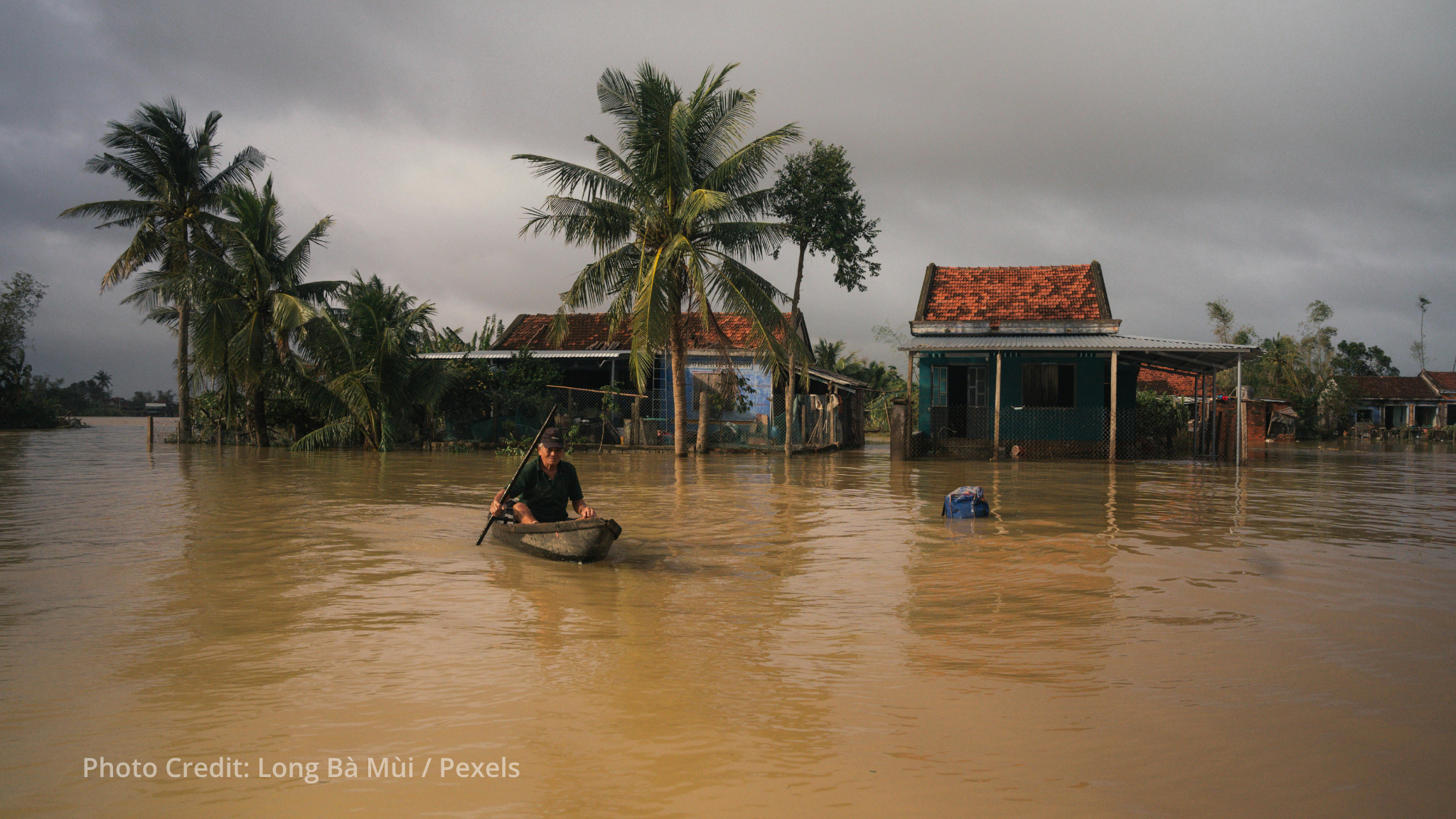
The World Food Programme (WFP) has launched an emergency response in Myanmar as monsoon floods threaten to push vulnerable communities deeper into hunger, according to a press release issued on 13 August 2026. The operation began in Laymyethna Township, Ayeyarwady Region, where heavy rainfall since 30 July has breached river embankments and inundated villages and wards. Rapid assessments indicate that more than 32,000 people across 98 villages and five wards have been affected. The agency has responded with the distribution of fortified biscuits, a ready-to-eat food containing essential energy and nutrients. The relief effort aims to stabilize food access as floodwaters compound existing hardship.
Myanmar is already grappling with a severe humanitarian crisis when the monsoon floods struck. An estimated 12.4 million people are experiencing hunger nationwide. Families are struggling under the combined impact of conflict, displacement, economic hardship, high food prices, and repeated shocks. Flooding is described as a recurring threat, but this year it is affecting communities already weakened by multiple underlying crises. The full nationwide impact of the floods is still being established.
WFP has dispatched 20 metric tons of fortified biscuits to local partners supporting flood-affected communities in Ayeyarwady Region. The assistance is sufficient to reach 10,000 people, and distributions are currently underway. The agency is coordinating with local partners to deliver aid where needs are most acute. Flooded homes, damaged crops, contaminated water sources, and disrupted markets are among the immediate consequences reported. WFP has signaled that the situation could deteriorate quickly if floodwaters persist.
“Flooding is a recurring threat, but this year it is impacting communities already battered by multiple underlying crises,” said Michael Dunford, WFP Representative and Country Director in Myanmar.
He added that families who were already struggling to put food on the table are now facing flooded homes, damaged crops, contaminated water sources, and disrupted markets. Dunford confirmed that WFP is moving quickly to provide immediate food assistance. He also warned that conditions could worsen rapidly if the floodwaters do not recede. His remarks underscore the urgency of the response.
WFP is monitoring the evolving impact of the floods and assessing further needs across all affected states and regions. Based on assessment findings, access conditions, and available resources, the agency stands ready to scale up food assistance where needs are greatest. Sustained access and urgent funding are described as critical to reaching affected families quickly. The response seeks to prevent an already severe hunger crisis from worsening. WFP has reaffirmed its commitment to supporting vulnerable populations through the ongoing emergency.