
Add us as your preferred source on Google to see more of our content in Search.
 Add to Preferred Sources
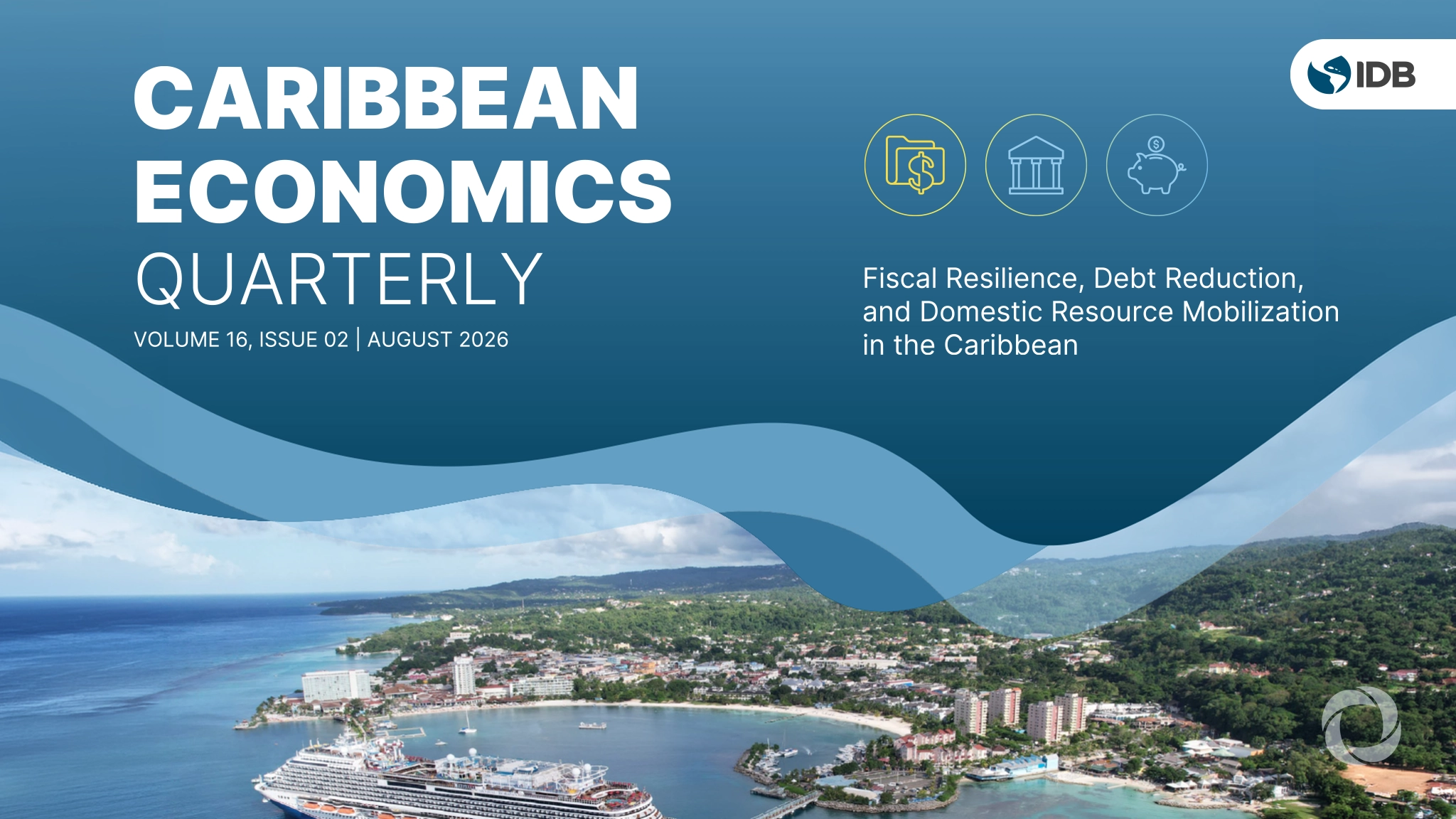
Caribbean economies have achieved notable fiscal consolidation and debt reduction despite persistent high global interest rates and volatile energy markets, according to a new press release by the Inter-American Development Bank (IDB). The findings appear in the latest edition of the Caribbean Economics Quarterly (CEQ), titled “Fiscal Resilience, Debt Reduction and Domestic Resource Mobilization in the Caribbean.” The report was released on August 17, 2026, from Washington. It reviews the fiscal and debt trajectories of six member countries of the IDB’s Caribbean Country Department. Overall, the publication signals meaningful progress paired with continued vulnerability to external financial conditions.
The report examines The Bahamas, Barbados, Guyana, Jamaica, Suriname, and Trinidad and Tobago. It finds that half of these countries have successfully reduced their debt-to-GDP ratios below pre-pandemic levels. According to the IDB, this outcome demonstrates the effectiveness of disciplined fiscal management and credible institutional frameworks. The CEQ nevertheless warns that the regional fiscal environment remains challenged. It attributes this challenge to tighter global financial conditions rather than a deterioration in investor perceptions of the Caribbean.
A central finding is that the region collects less revenue than it needs for sustainable development and disaster resilience. Tax revenues in the Caribbean averaged 21 percent of GDP in 2023. That figure is below the Latin American average of 22 percent. It is also well under the Organization for Economic Co-operation and Development (OECD) average of 34 percent. The CEQ frames this gap as a critical constraint on future investment capacity.
“Caribbean nations have navigated an extraordinarily complex series of global shocks in the recent decade with impressive policy discipline,” said Anton Edmunds, IDB General Manager for the Caribbean.
He added that “substantial debt reduction is possible when governments maintain credible fiscal frameworks.” Edmunds emphasized that the priority must be building more productive, fair, and resilient revenue systems. Such systems, he noted, should finance both debt reduction and critical investments, including disaster risk management. His remarks accompany the report’s cross-country reform agenda.
The CEQ highlights several reform priorities to address the revenue gap. These include modernizing tax administration through digital technologies and rationalizing tax incentives and exemptions. It also calls for strengthening stable revenue sources such as property taxation. For oil and gas producers, the report stresses the importance of strong fiscal rules and sovereign wealth funds. These tools, it notes, can smooth revenue volatility and preserve wealth for future generations.