
Add us as your preferred source on Google to see more of our content in Search.
 Add to Preferred Sources
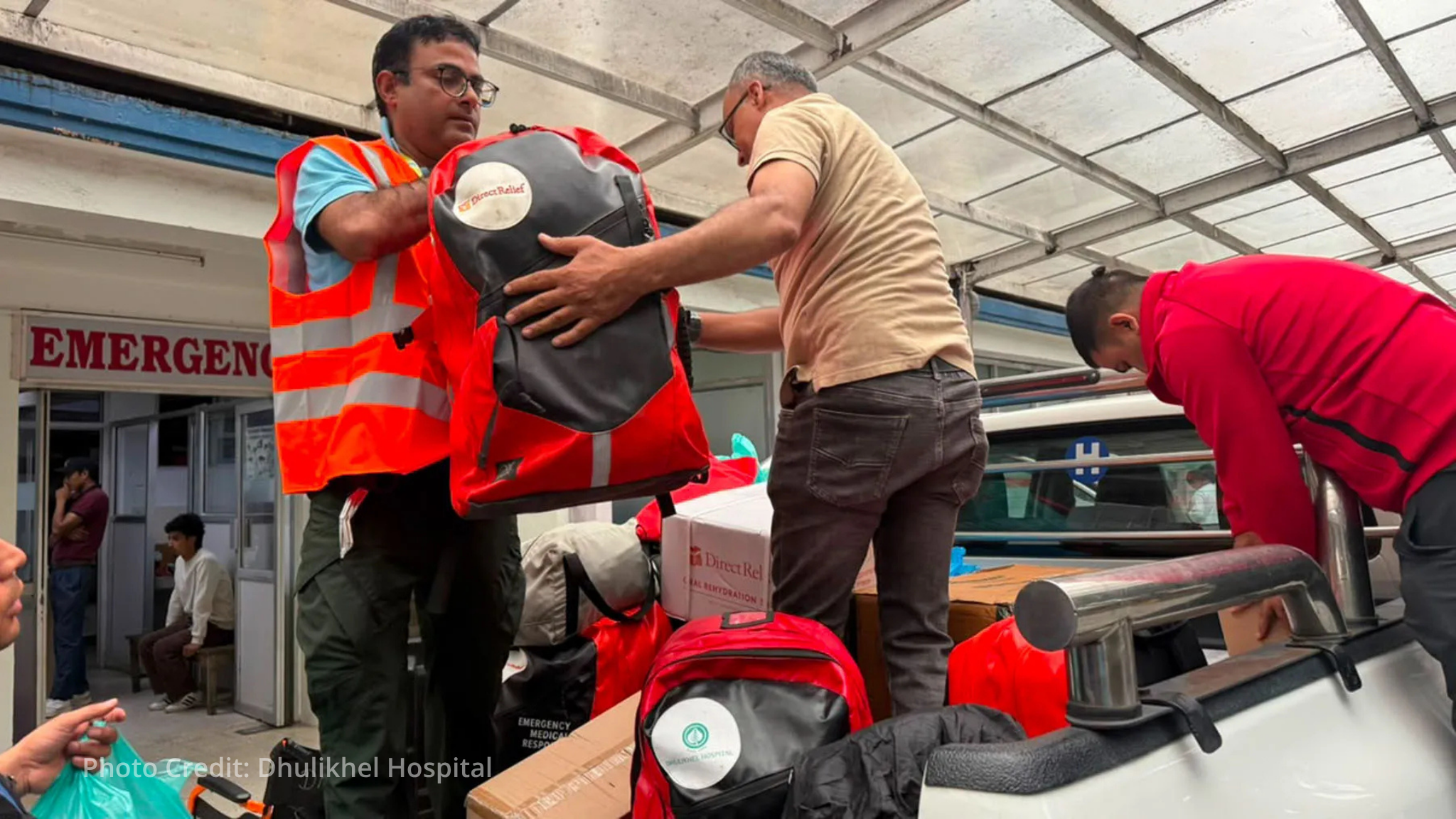
Medical providers from Dhulikhel Hospital have moved beyond hospital walls this week to deliver emergency care to flood-affected communities in Nepal, following devastating floodwaters and debris flows that swept through northern Nepal and southern Tibet on Aug. 26. The disaster likely resulted from a glacial lake outburst, according to a press release by Direct Relief. More than 389 people had been reported killed on Thursday, with over 1,400 still missing. Those unaccounted for include people from more than two dozen countries, including the U.S. Dhulikhel Hospital deployed medical staff equipped with Direct Relief-provided field medic packs and emergency supplies as rescue operations continued.
Dhulikhel Hospital is located in Dhulikhel, Kavrepalanchok, Nepal, east of the country’s capital Kathmandu, and is a long-time partner of Direct Relief. The 475-bed hospital has received more than $2.5 million in medical support since April 2026 from Direct Relief. It is now deploying some of that support into mountainous communities that have been flooded. The hospital is also preparing to receive injured patients evacuated from hard-hit areas. Many communities remain cut off due to infrastructure damage.
Emergency medical response operations expand
Another medical group, Mountain Heart Nepal, has also deployed this week in northern Nepal with Direct Relief support. The organization connects medical care and outreach to the country’s hard-to-access areas. It will receive an emergency operating grant to support emergency medical teams for immediate deployment to flood-affected communities. These teams are equipped with previously pre-positioned Direct Relief field medic packs. Direct Relief is preparing additional emergency shipments of critical supplies from its medical inventory to local NGO partners.
Direct Relief is working closely in coordination with the Government of Nepal’s Ministry of Health and hospitals in the country to bolster urgent health response needs. Beyond immediate emergency needs such as search and rescue support and trauma care, medical needs are expected to increase around displacement. Clean water shortages and destroyed sanitation infrastructure are also anticipated concerns. Inundated roads and mountain areas are now unpassable to functioning medical facilities where people can receive care. Direct Relief has a long history of support for Nepal, including during the country’s devastating 2015 earthquake, which killed 9,000 people and caused massive damage to infrastructure, including health services.
Long-term commitment in Nepal
Since 2009, Direct Relief has provided more than $119 million in medical aid to Nepal across 48 partner organizations. Its support has included 206 shipments and 638,000 lbs. of aid. The organization has also delivered 34.9 million defined daily doses of medicine. This includes a $287,000 shipment of diabetes and cancer medications delivered this month, before the flood struck. 100% of donations to the Nepal Flood Relief Fund support this response, including the emergency operating grant enabling Mountain Heart Nepal’s medical teams to reach cut-off communities.