
Add us as your preferred source on Google to see more of our content in Search.
 Add to Preferred Sources
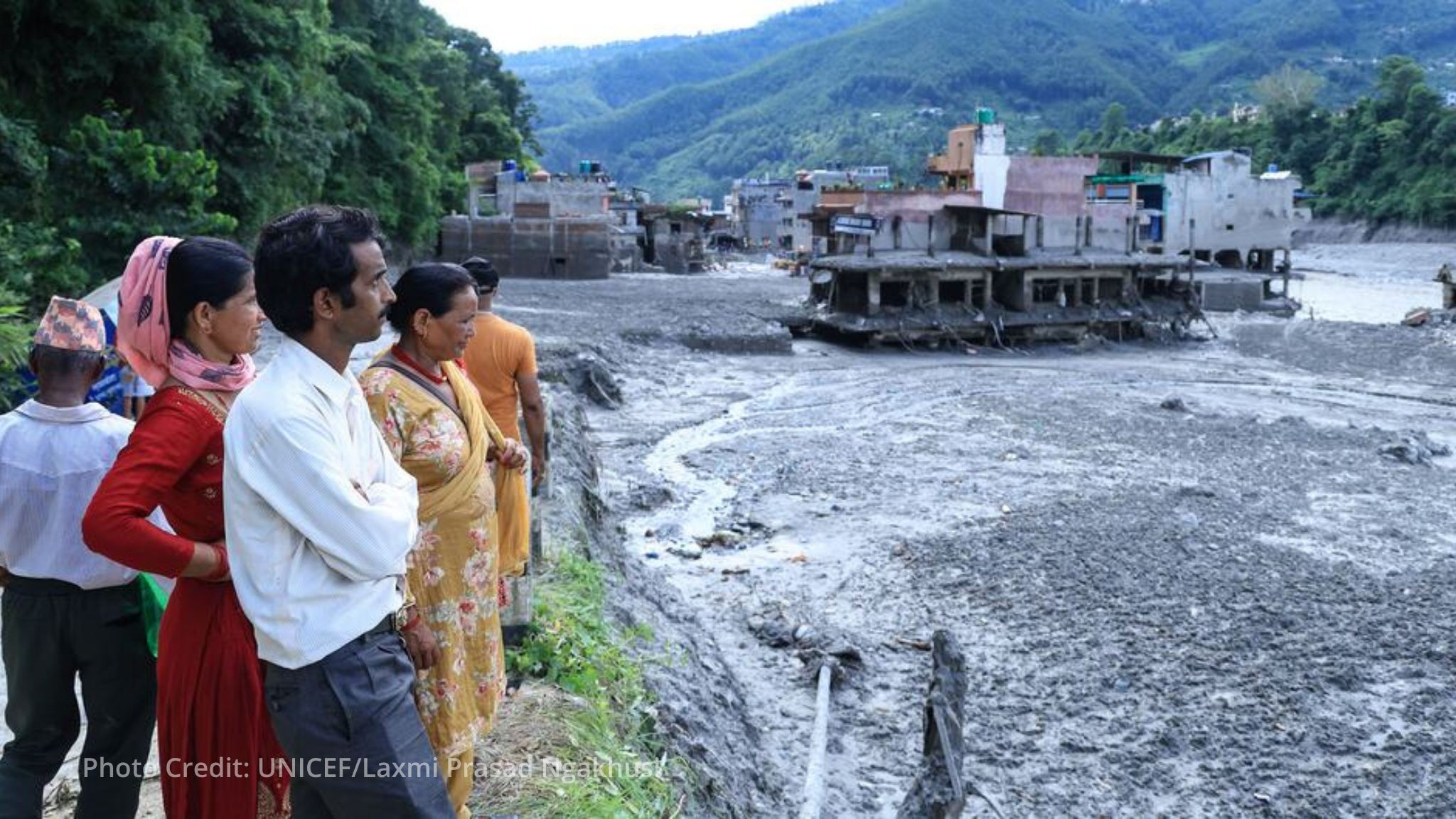
The confirmed death toll from Nepal’s catastrophic floods has reached 903, with more than 4,200 people still missing as rescue crews and humanitarian workers struggle to reach the hardest-hit areas, United Nations (UN) Spokesperson Stéphane Dujarric said on Monday, according to UN. The disaster was triggered by a glacier collapse and landslide on Nepal’s border with China on Wednesday. It is now Nepal’s deadliest natural disaster since the April 2015 earthquake, which killed around 9,000 people. UN agencies have begun assessing long-term needs, including more than 22,000 children requiring protection. The event underscores the mounting humanitarian toll of climate-linked disasters in fragile mountain regions.
Access and rescue efforts
Access remains the single biggest obstacle to the response, according to the UN emergency relief agency, OCHA. Roads are passable only as far as Nuwakot, and some sections of highway linking Kathmandu to the hardest-hit areas remain completely blocked. Power has been restored in some areas. Nepal’s Government has deployed more than 20,000 search and rescue personnel and declared a flood emergency in 15 municipalities, Mr. Dujarric said. More than 10,000 people have been rescued so far, including 252 foreign nationals.
Health and humanitarian needs
World Health Organization (WHO) spokesperson Tarik Jašarević said overcrowding and disruption to water, sanitation, and health services raise the risk of infectious disease outbreaks. Recent OCHA assessments indicate that about 2,600 children under five will require treatment for severe wasting, while around 10,500 pregnant and breastfeeding women need nutrition assistance. Some 19 schools have been damaged, nine completely destroyed, and eight more are being used to shelter displaced families. More than 10,000 school-age children require psychosocial support, OCHA reported. Preliminary reports also indicate that 107 children may be separated from their parents or caregivers.
Climate warning
Kamal Kishore, head of the UN Office for Disaster Risk Reduction (UNDRR), highlighted the unprecedented nature of the glacier collapse, warning last week that “we are still coming to grips with the extent of the damage.” The disaster has also affected the Tibet side of the border, where Chinese authorities report at least 16 dead and at least 546 still missing. UN climate chief Simon Stiell said the event served as a reminder of how fragile mountain environments have become. He noted that scientists and local communities have warned for years about the risks of climate change in the area. Some 65,000 people require emergency water, sanitation, and hygiene support.
UN response on the ground
UN agencies have scaled up assistance across the affected regions:
- The World Food Programme (WFP) has dispatched nearly 80 metric tonnes of food, reaching about 9,200 people with assistance expected to last 15 days.
- The UN Children’s Fund (UNICEF) has moved therapeutic food for about 500 severely malnourished children and mobilised 15 emergency medical teams.
- UN humanitarian partners have set up a coordination hub in Nuwakot to strengthen planning and information sharing among organizations on the ground.
First responders continue to prioritise family tracing and reunification as search and rescue operations remain active across the affected districts.