
Add us as your preferred source on Google to see more of our content in Search.
 Add to Preferred Sources
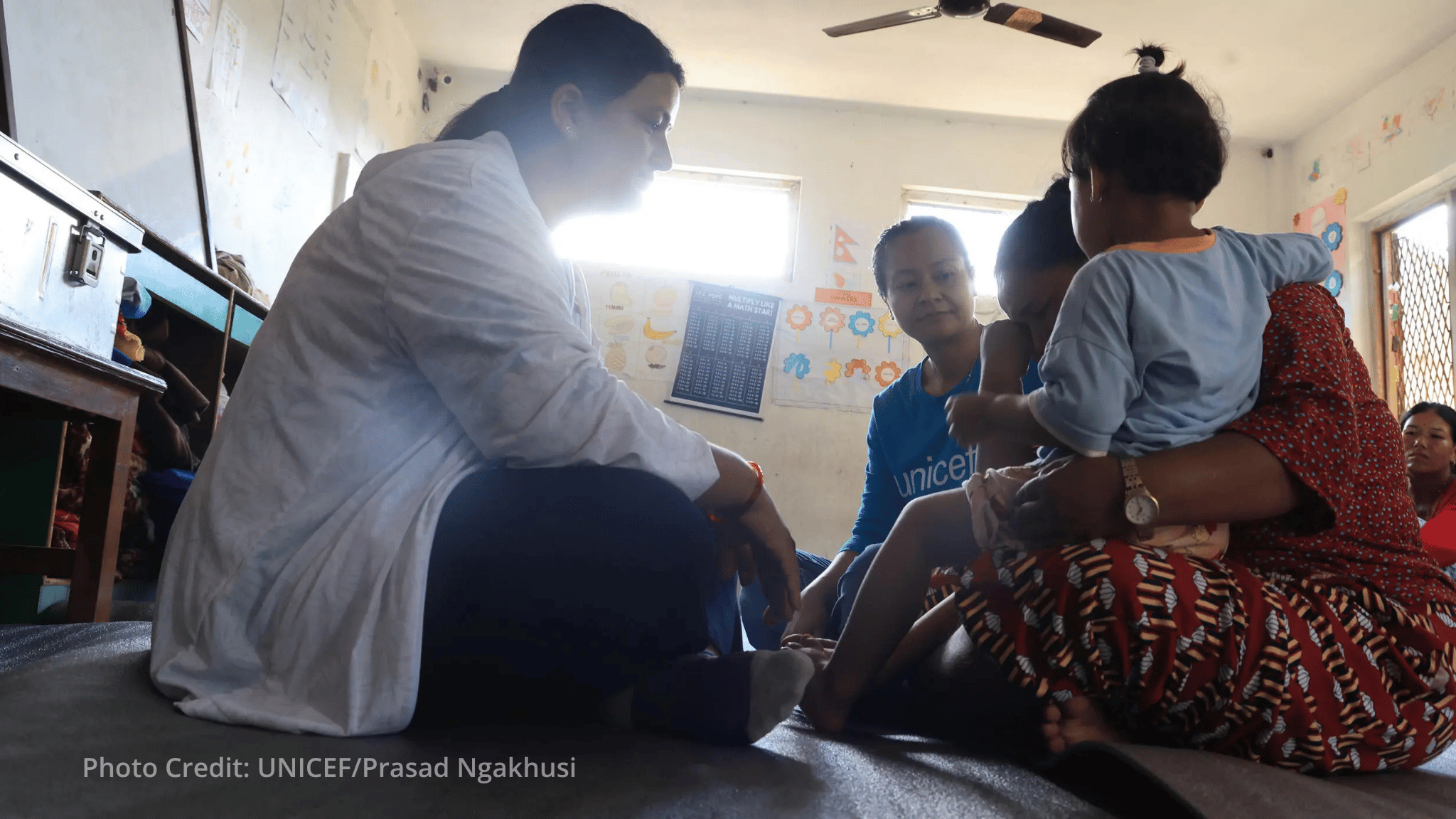
The United Nations Office for the Coordination of Humanitarian Affairs (OCHA) issued an update on multiple humanitarian emergencies, spanning flood response in Nepal, escalation in the Middle East, operations in Syria and Sudan, the Ebola outbreak in the Democratic Republic of the Congo, and attacks on civilians in Ukraine, according to a press release. One week after devastating floods in Nepal, the UN and its partners continue supporting Government-led relief efforts, with a Flash Appeal to be launched shortly. Humanitarian agencies are delivering food, clean water, hygiene kits and medical supplies. The Food and Agriculture Organization (FAO) has provided veterinary care for 300 injured animals, while the World Health Organization (WHO) reports seven health facilities damaged, including four destroyed. The updates highlight mounting needs amid stretched and underfunded operations.
In the Middle East, OCHA voiced deep concern over dozens of civilian casualties from strikes in Iran, with attacks also affecting Gulf countries and Jordan. Airspace and critical shipping routes have been heavily impacted, raising the spectre of a wider fallout. In the Occupied Palestinian Territory, UNICEF reported that three boys and girls aged three to 13 had reportedly been killed in Gaza in the preceding 24 hours, with at least five other children injured. About 1 million people in Gaza dependent on the Israeli water grid faced reduced supplies for a second day. Partners also reported the destruction of the community of Khirbet at Tabban in Masafer Yatta by Israeli forces.
In Syria, OCHA reports that the UN and its partners reached an average of 2.5 million people each month between January and July of this year across more than 4,700 communities. In July alone, partners provided food to more than 700,000 people, supported over 1.2 million medical procedures, and reached 2 million people with water, sanitation and hygiene services. Protection assistance was delivered to more than 250,000 people. The 2026 Humanitarian Needs and Response Plan for Syria, which seeks US$2.9 billion, is just over 30 percent funded, with $889 million received. OCHA warned that funding remains a major challenge.
In the Democratic Republic of the Congo, schools reopened in areas affected by the largest Ebola outbreak on record. As of 31 August, national authorities had reported more than 6,100 Ebola cases and more than 3,000 deaths. Partners noted that more than 1,100 schools had been closed or affected by conflict, leaving over 490,000 children out of school. In Sudan, WFP condemned an aerial attack on Sunday that destroyed more than 50 metric tons of food outside Dilling town, South Kordofan — enough to assist 5,800 people for a month. Cholera vaccination campaigns launched this week aim to protect nearly 928,000 people.
In Ukraine, OCHA reported that attacks over the past two days caused significant civilian casualties and damage, including in Kyiv and Odesa. A missile strike on a railway depot killed six Ukrainian Railways workers, while Kyiv has faced attacks for six consecutive days. Humanitarian Coordinator Matthias Schmale underscored the growing toll on civilians, stressing that “such attacks must never be normalized.” Since Monday, attacks have killed nearly 30 civilians and injured more than 140 others across Ukraine. Humanitarian warehouses, vehicles and an evacuation bus operated by NGO partners have also been damaged.