
Add us as your preferred source on Google to see more of our content in Search.
 Add to Preferred Sources
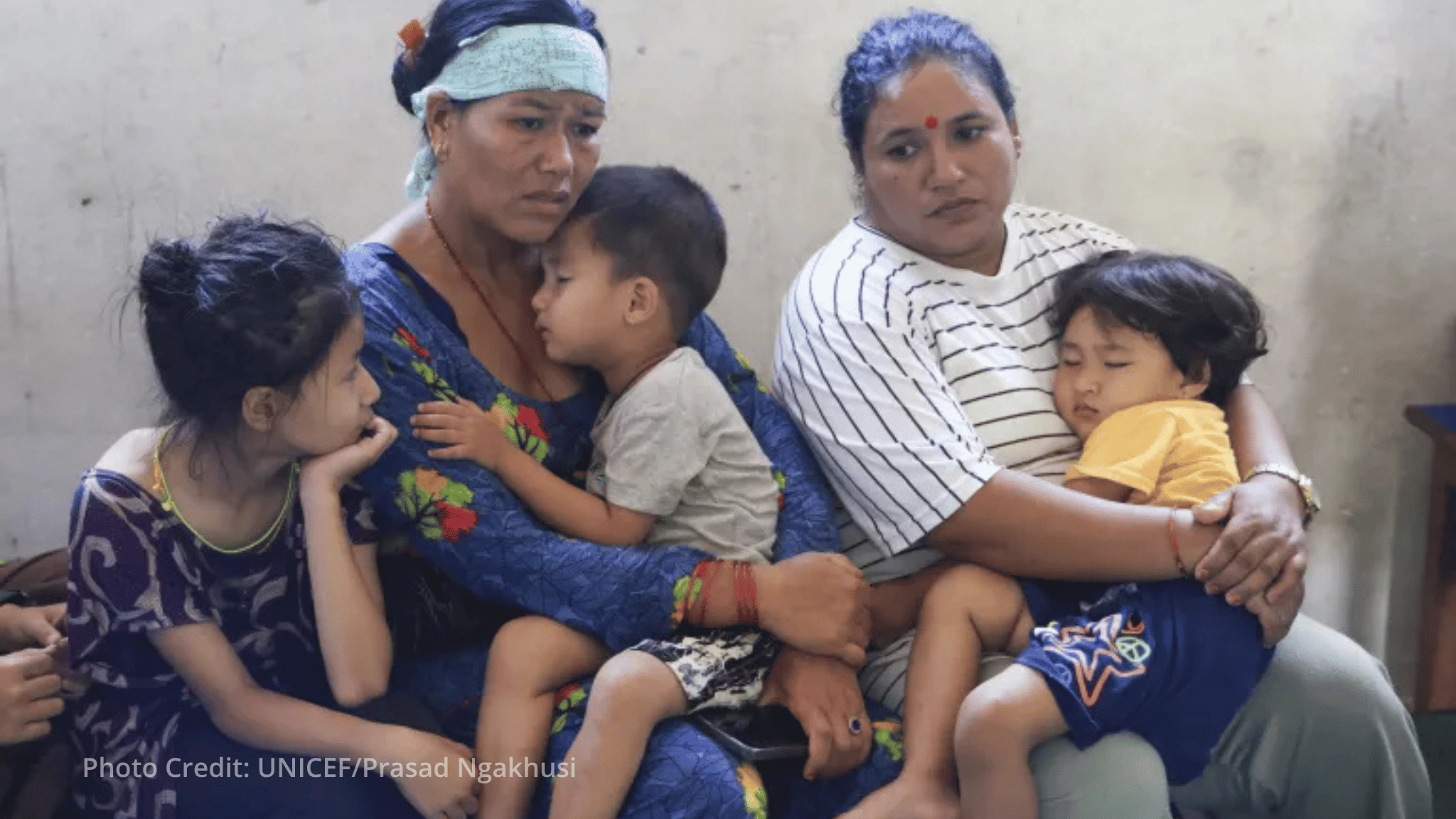
More than one week after flash floods swept down the Bhotekoshi-Trishuli river basin in Nepal, at least 22,000 children urgently need safe drinking water, sanitation, and hygiene support, according to a press release issued by United Nations Children’s Fund (UNICEF) on 3 September 2026. The agency warned that damaged infrastructure and crowded shelters are heightening the risk of waterborne and infectious disease outbreaks. Response operations are already underway in the hardest-hit districts. Humanitarian priorities center on restoring safe water access. Children remain the most exposed group.
Water supply systems have been damaged across the affected districts, ranging from community schemes to larger networks, while sanitation facilities have been damaged and destroyed. Families displaced by the disaster are crowded into host households and holding centres. These conditions are conducive to the rapid spread of disease. The affected areas include Rasuwa and Nuwakot. UNICEF is coordinating its response with government counterparts and partners on the ground.
To date, UNICEF has dispatched critical water, sanitation, and hygiene supplies for around 19,000 people in Rasuwa and Nuwakot. The delivery includes more than 3,800 hygiene kits, 3,300 collapsible 10-litre jerrycans, and 3,500 buckets. It also comprises 3,500 one-litre mugs, 4,000 bottles of water treatment solution, and more than 1,000 tarpaulin sheets. Disease surveillance, hygiene promotion, and outbreak prevention efforts are being carried out alongside supply distribution. Public messages on safe hygiene, water handling, and household water treatment are being disseminated through mobile messaging, radio, social media, and community networks.
Mobile subscribers can reach validated advisories without data charges, and a network of more than 600 practitioners is extending outreach into affected communities. “Every parent in these districts is now making the same calculation several times a day,” said Alice Akunga, UNICEF Representative in Nepal. She noted that when water systems and toilets have been damaged or destroyed, families face enormous challenges in maintaining safe hygiene. Akunga stressed that the risk of waterborne disease increases rapidly in these conditions but is preventable. Ensuring access to safe water, sanitation, and hygiene remains among UNICEF’s top priorities.
As access improves, UNICEF plans to scale up emergency water supply, household water treatment, and water-quality monitoring. The agency will also expand temporary sanitation and handwashing facilities, along with essential hygiene and menstrual hygiene supplies in communities and holding centres. “Restoring communities’ access to safe water and sanitation is not a one-week job,” Akunga said, pointing to the need to repair and rebuild damaged pipelines, pumps, toilets, and other sanitation infrastructure. She emphasized that these systems must be rebuilt to withstand future floods rather than simply restored. Otherwise, she warned, children will again pay the price after the next disaster.