
Add us as your preferred source on Google to see more of our content in Search.
 Add to Preferred Sources
The International Organization for Migration (IOM) has appealed for USD 110 million to protect 4.9 million people from the potentially severe impacts of the developing 2026–2027 El Niño, including drought, flooding, and extreme heat, according to a press release issued in Geneva on 3 September 2026. The funding would enable IOM and its partners to act before humanitarian needs escalate. It would support preparedness, early warning systems, pre-positioning of essential assistance, and rapid response where people are forced to move. The appeal targets communities facing heightened displacement risks. It marks an anticipatory approach to a climate event forecast to persist through early 2027.
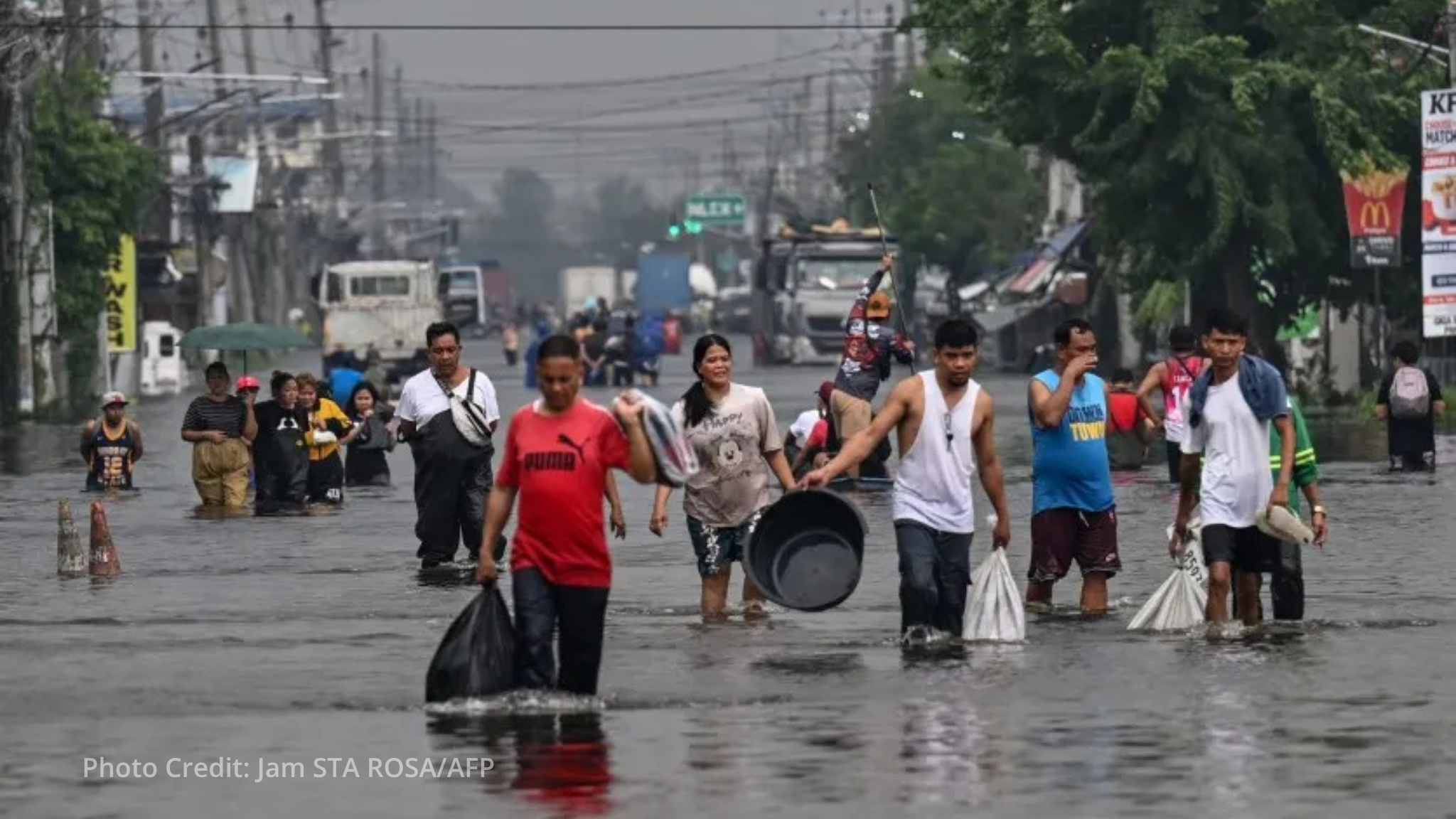
The 2026–2027 El Niño is unfolding in a world already warmer than during previous El Niño events. New forecasts released by the World Meteorological Organization (WMO) indicate for the first time a near 100% probability that El Niño will persist through to February 2027. Some areas may face severe drought, while others could experience heavier rainfall, flooding, and extreme heat. For communities already contending with conflict, displacement, and food insecurity, these shocks can destroy harvests and disrupt livelihoods and water supplies. They can also force families to move.
Past cycles illustrate the potential scale of impact. According to the World Food Programme, the 2015–2016 El Niño, one of the strongest on record, affected more than 60 million people worldwide through drought, flooding, and other climate-related shocks. The 2023–2024 El Niño brought severe impacts across multiple regions, including Southern Africa, where nearly 68 million people were affected by drought. Such shocks strain public services and erode livelihoods. IOM is part of inter-agency anticipatory action frameworks in 12 at-risk countries, and in 2025 early support in five of them reached nearly 313,000 people in Haiti, Mozambique, Niger, Nigeria, and the Philippines ahead of forecast shocks.
“Communities facing repeated climate shocks are often the first to recognize the warning signs. But without the right support, they cannot always act in time,” said Ugochi Daniels, Deputy Director General of IOM. She noted that forecasts offer information that can be acted upon. Flexible funding, she added, allows the organization to anticipate risks, strengthen preparedness, and direct support where it is most needed. The approach seeks to help people stay safe in their communities where possible, and to ensure those who need to move can do so safely and with dignity.
With the requested funding, IOM will combine displacement analysis with weather and climate forecasts, strengthen people-centred early warning systems, and support governments through training, preparedness exercises, and pre-positioning of relief supplies. The organization will work with national and local authorities, United Nations agencies, non-governmental and community organizations, Red Cross and Red Crescent actors, and humanitarian coordination structures across Asia and the Pacific, Eastern, Horn and Southern Africa, West and Central Africa, Latin America and the Caribbean, and selected contexts in the Middle East and North Africa. Flexible funding remains essential as El Niño impacts continue to evolve. “Acting early saves lives and reduces suffering,” Daniels said. The Global El Niño Appeal covers August 2026 to July 2027.