
Add us as your preferred source on Google to see more of our content in Search.
 Add to Preferred Sources
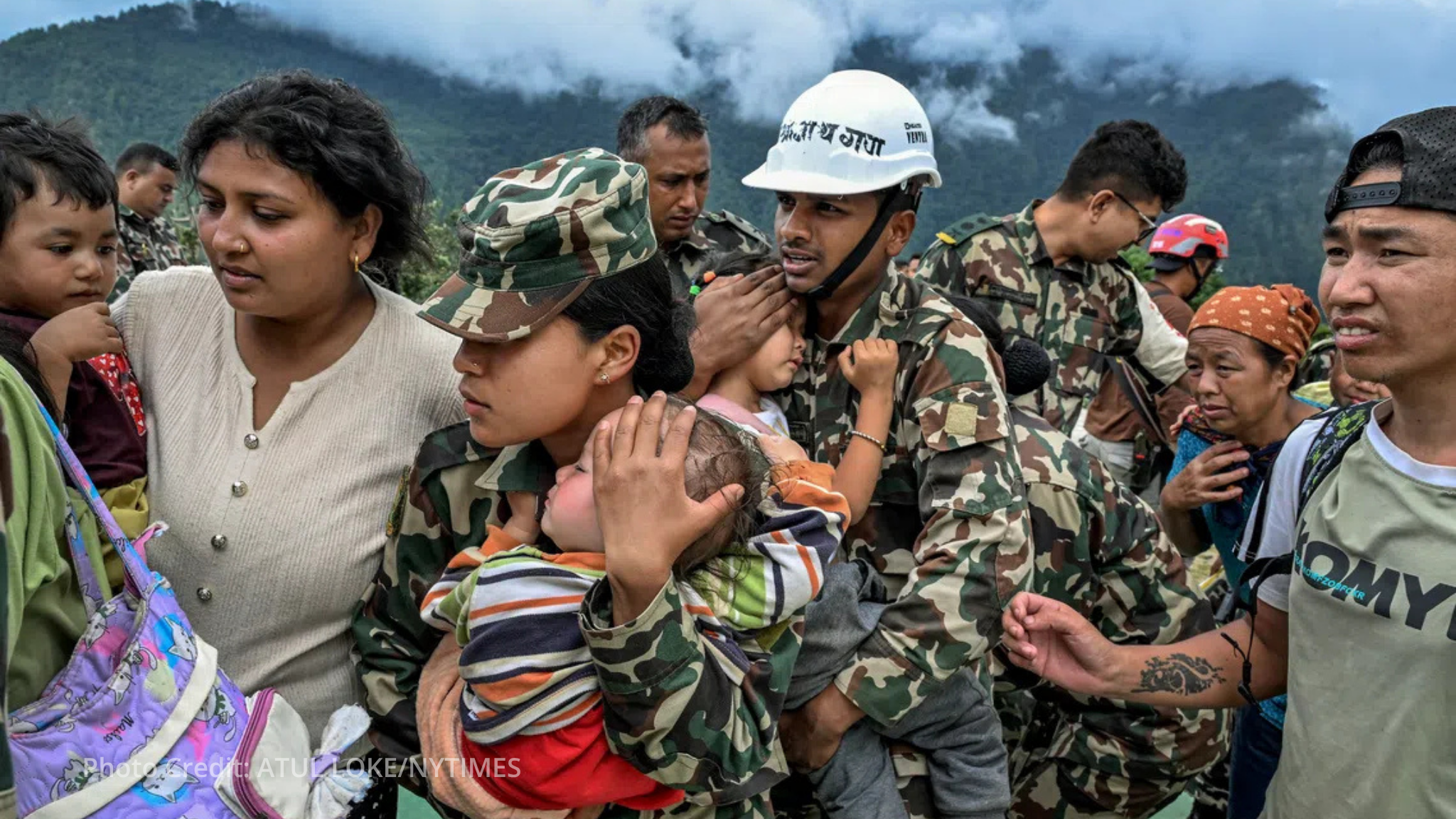
The International Federation of Red Cross and Red Crescent Societies (IFRC) has warned that many families remain cut off from essential services and humanitarian assistance in flood-affected areas of Nepal, according to a press release issued on 8 September 2026. Widespread damage to roads, bridges and communication networks is hampering access to some communities. This is creating significant challenges for the humanitarian response and leaving people exposed to continuing monsoon rains. The IFRC and the Nepal Red Cross Society (NRCS) are jointly delivering emergency assistance in the affected areas. Efforts focus on shelter, health care, clean water, sanitation, and mental health and psychosocial support.
In Nuwakot, the IFRC, together with the NRCS, has installed water tanks and a water pump, restoring access to safe drinking water for around 2,000 people. Water is also being trucked to affected communities. Teams continue to assess longer-term solutions to repair and rehabilitate damaged water systems. With much of the existing water network destroyed, emergency water supply remains a lifeline for families affected by the floods. Access to basic services has been severely disrupted since the disaster struck.
In the same area, with IFRC support, the NRCS has deployed a mobile primary health care clinic that can reach 100 patients per day. The clinic is helping bring essential health services closer to affected communities and addressing gaps in basic services. Road damage is making access to medical care difficult. With monsoon rains continuing, there are concerns that further damage to access routes could leave communities even more isolated. Humanitarian teams are working to reach populations still beyond their current operational range.
“Before the flash flood, it took around three hours to reach Dhunche in Rasuwa from Nuwakot. Today, the journey can take nine hours or more along narrow and dangerous routes,” said David Fisher, IFRC Head of Delegation for Nepal.
He added that every delay means families wait longer for the support they urgently need. Fisher expressed particular concern about people not yet reached who remain exposed to harsh conditions. He noted that the needs of those already reached in Rasuwa, Nuwakot, Dhading and other affected areas remain extensive. Sustained support will be required in the weeks and months ahead.
“We continue our work as fast as we can; we cannot leave anyone behind. While emergency assistance remains our immediate priority, recovery will take time. Together with the Nepal Red Cross Society, we remain committed to supporting communities as they rebuild their lives, livelihoods, and resilience,” Fisher said.
Humanitarian needs are expected to continue well beyond the immediate emergency phase. The IFRC is calling on donors and partners to support its Emergency Appeal for the Nepal response. The appeal aims to ensure that affected people receive urgent assistance and are supported to rebuild their lives.