
Add us as your preferred source on Google to see more of our content in Search.
 Add to Preferred Sources
The United Nations Children’s Fund (UNICEF) warned on 15 September 2026 that thousands of children affected by the recent devastating floods in Nepal urgently require mental health and psychosocial support to recover from the distress and trauma caused by the disaster, according to a press release. An estimated 17,000 children need such support, while 541 unaccompanied and separated children remain at heightened risk and require protection services. The agency stressed that the emotional toll on children and families demands sustained recovery efforts alongside physical reconstruction.
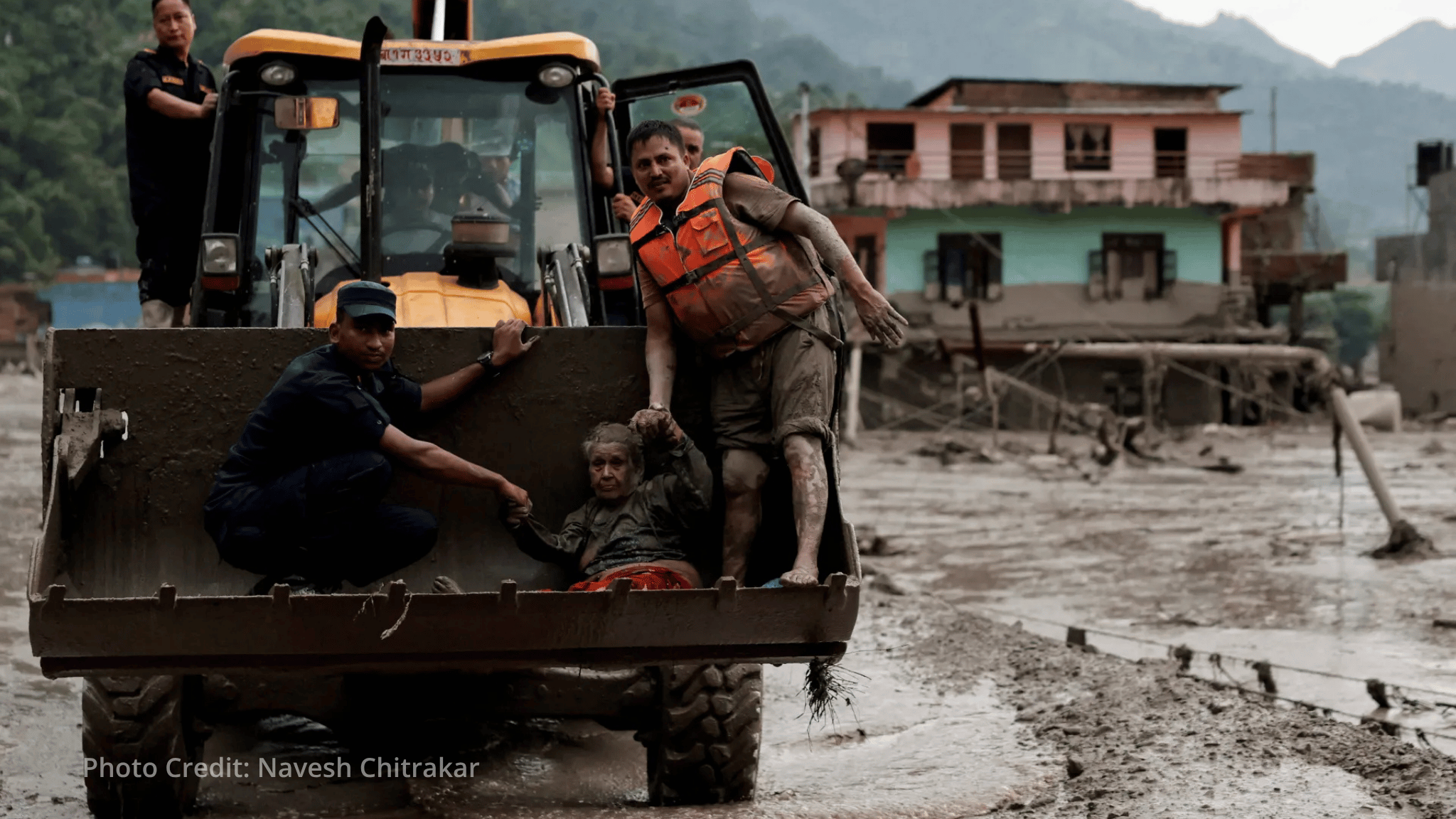
The floods have had a profound impact on children across Nepal, with many witnessing the loss of loved ones, the destruction of homes and schools, displacement from their communities, and uncertainty over missing family members. The disaster struck during the school day, disrupting children’s sense of safety in an instant. These circumstances have compounded the emotional and social hardships facing affected families. UNICEF underlined the urgent need for protection and recovery services. The scale of displacement has further complicated response efforts.
“Beyond the visible destruction, these floods have left deep emotional scars on children and families,” said Ms. Alice Akunga, UNICEF Representative to Nepal.
She noted that many children witnessed distressing events and are now struggling with fear, anxiety and grief, with some unable to speak about what they experienced. Alongside humanitarian supplies and restoration of critical infrastructure, she said children need psychosocial support to help them process what happened and begin to recover. Dr. Shitanshu Dhakal, Medical Officer at Trishuli Hospital in Nuwakot and former UNICEF Youth Advocate for mental health, added that “the invisible burden of trauma on flood-affected children and families is deeply distressing.” He called for immediate psychological first aid and sustained support.
UNICEF is working with government authorities and partners to protect children through family tracing, reunification and psychosocial support services. To date, 18 unaccompanied and separated children have been reunified with their families, while alternative family-based care is being arranged for those who have lost both parents. Community-based protection monitoring teams have been established along key transit and displacement routes to identify at-risk children and prevent trafficking, exploitation and family separation. Eighteen Child-Friendly Spaces, including 13 supported by UNICEF, are offering safe environments for play, learning and recovery. These spaces are staffed by psychologists, counsellors and frontline workers in displacement sites and affected communities.
Mental health and psychosocial support remains a lifesaving component of the emergency response, helping children process distressing experiences, reduce anxiety and restore routine. Early interventions also enable the identification of children experiencing severe distress and facilitate referrals to specialized services. Children with significant difficulties may face increased protection risks due to reduced coping capacity, social isolation and stigma. UNICEF continues to call for increased investment in child protection and mental health services. The agency reiterated its commitment to helping affected children cope, recover and rebuild their lives.