
Add us as your preferred source on Google to see more of our content in Search.
 Add to Preferred Sources
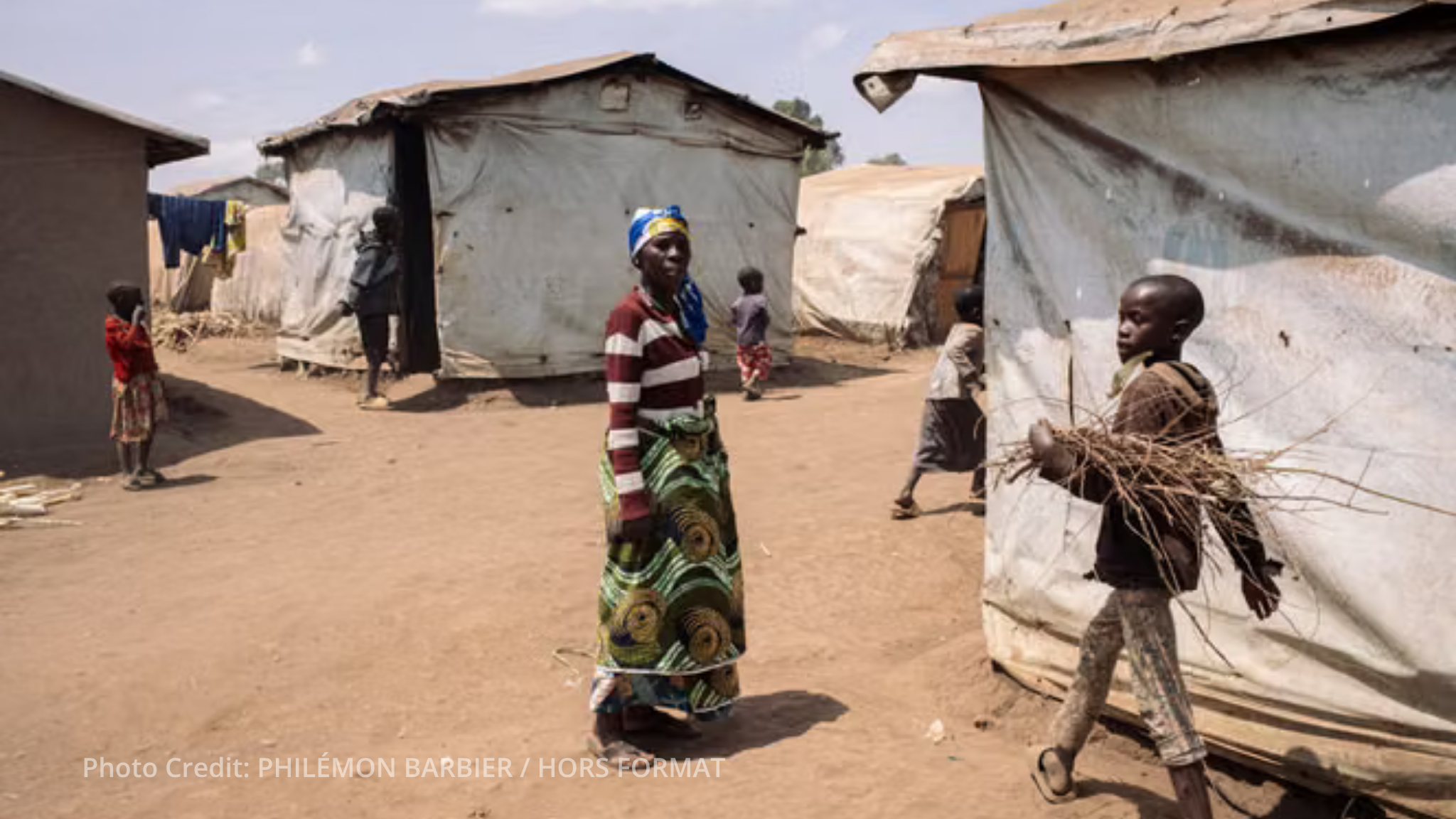
Approximately 76,000 displaced people living in the Plaine Savo camp in Ituri province, eastern Democratic Republic of Congo (DRC), are enduring dire conditions with limited humanitarian assistance, according to a press release by Doctors Without Borders/Médecins Sans Frontières (MSF). The camp is encircled by armed groups, leaving residents afraid to leave for their fields, markets, or water sources. MSF remains one of the few humanitarian organizations present at the site. Its teams provide primary, pediatric, maternal, and mental health care, treat survivors of sexual violence, and address acute malnutrition. A recent Ebola disease outbreak has further deepened the crisis.
The Plaine Savo camp emerged after violent clashes displaced entire communities across Ituri province. In December, the village of Bule became the scene of fighting between the armed group Convention Pour Le Révolution Populaire (CRP) and the Congolese armed forces (FARDC). Most of those who fled settled near a Ugandan army base — a cooperation with the Congolese government — hoping for protection. Tens of thousands of displaced people eventually gathered there. Many arrived without shelter and built small huts from wood, plastic, and straw.
Insecurity and access restrictions severely limit the humanitarian response. Over the last six months, MSF has treated an average of 60 survivors of sexual violence every month and seven people wounded by gunshots or bladed weapons every week. Most patients were assaulted or injured while attempting to leave the camp. Since December, only two food distributions have taken place. In February, MSF set up a health post that has since reduced deaths from diarrhea, scabies, typhoid fever, and parasitic infections.
The Ebola disease outbreak, declared by national authorities in May, has dramatically worsened conditions. So far, 36 people with confirmed cases have been admitted to the 24-bed Ebola treatment unit MSF set up at Fataki General Hospital, which will soon be extended to 32 beds. Three confirmed cases have been detected in Plaine Savo and referred early to Fataki. “This is the worst humanitarian situation I have seen in years,” said Trish Newport, MSF’s emergency coordinator in Ituri. Transmission risks forced MSF to halt surgical support at the hospital.
Since February, MSF teams have built 311 latrines, provided clean water through water trucking, and dug nine new boreholes. However, the number of latrines and the daily amount of drinkable water per person remain critically low. Severe surgical cases are transferred by ambulance from Plaine Savo to the MSF-supported Fataki General Referral Hospital, approximately 9 miles away. Newport stressed that the response must be urgently scaled up to preserve the lives, dignity, and safety of displaced people. This requires more actors on the ground with a greater capacity to intervene.