
Add us as your preferred source on Google to see more of our content in Search.
 Add to Preferred Sources
Migrants sent $728.6 billion home to families in low and middle-income countries in 2025, nearly double the amount recorded a decade earlier, according to a new report from the UN’s International Fund for Agricultural Development (IFAD). The transfers, known as remittances, grew by 94 per cent between 2016 and 2025, far outpacing the 28 per cent increase in the number of migrants from those countries. On average, migrants abroad are sending larger amounts home. Some 220 million migrants and people from the diaspora support an estimated 1.1 billion relatives. The findings were presented at UN Headquarters on Monday.
Behind the billions are transfers typically worth $300 to $400, sent nine or 10 times a year. IFAD says the total sent home last year was more than four times global official development assistance and also exceeded foreign direct investment to low and middle-income countries. The growing importance of remittances leaves families and economies vulnerable to changes affecting migrants abroad. That is particularly evident in Latin America and the Caribbean, where the United States remains the dominant source of remittances. The report warns that deportations, employment restrictions or weaker labour demand can reduce both the number of people sending money and their ability to do so.
Central America is among the most exposed. Remittances were equivalent to 30 per cent of GDP in Honduras in 2025, 28 per cent in El Salvador and 27 per cent in Nicaragua. A study cited by IFAD also found that 61 per cent of returnees surveyed in Guatemala had been the main income earner in their household. Latin America and the Caribbean recorded the fastest remittance growth of any region, rising 132 per cent to $168.6 billion. Asia and the Pacific remained the largest recipient region overall, receiving $384.9 billion, or 53 per cent of the global total, while Africa received $124.2 billion in 2025, with Egypt overtaking Nigeria as the continent’s largest recipient.
Around three quarters of remittances go towards immediate needs such as food, shelter and utilities. The remaining quarter — more than $180 billion each year — is used for healthcare, education, housing, savings and businesses. Almost $233 billion reached rural economies in 2025, and remittance-receiving households invest an estimated $22 billion annually in rural agrifood systems. “This report is about financial flows of extraordinary scale. But more importantly, it is about families,” said Pedro de Vasconcellos, who manages IFAD’s Financing Facility for Remittances, stressing that these private family resources “cannot substitute” for public investment, social protection, humanitarian assistance or climate finance.
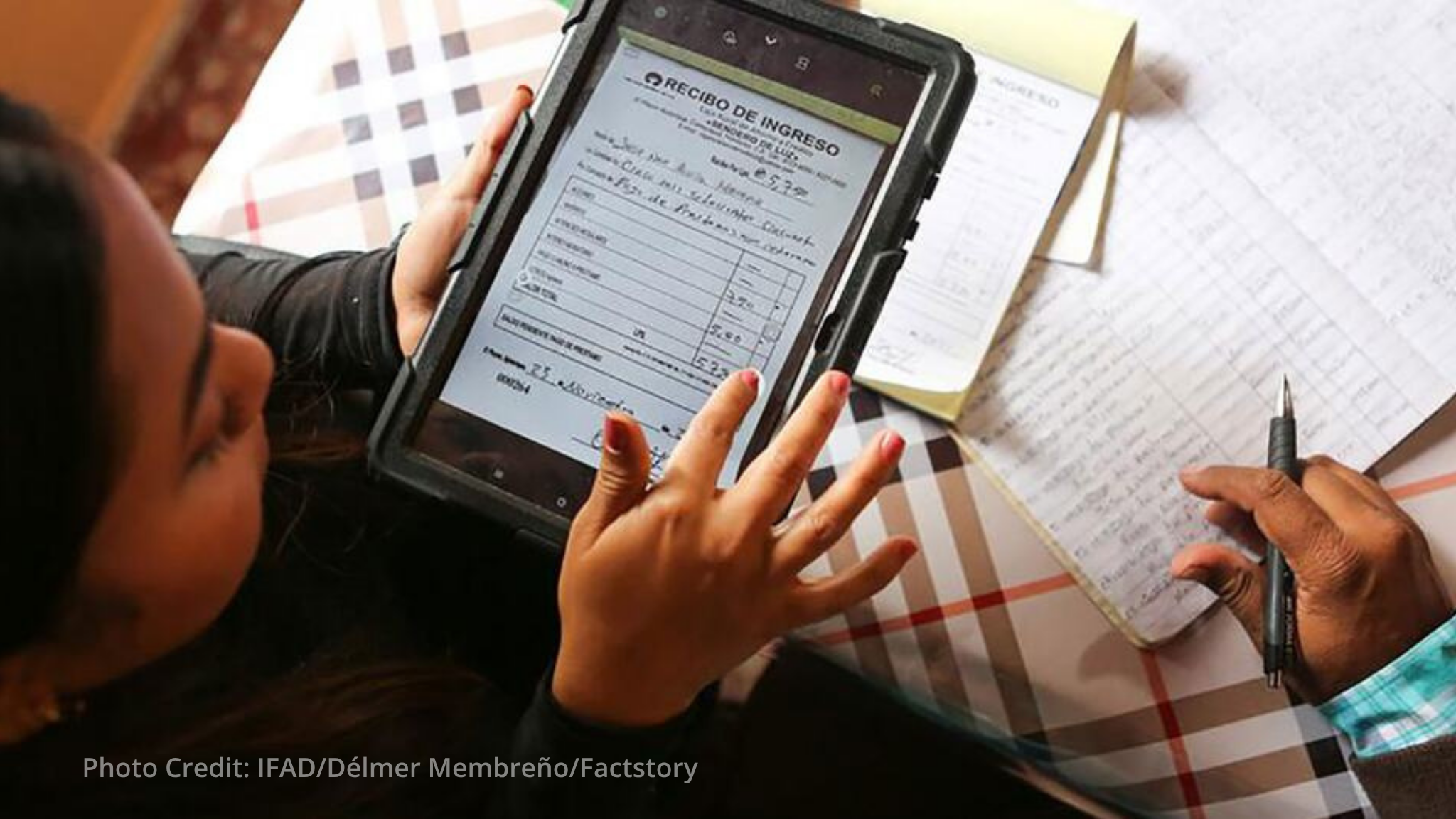
More than half of remittances now begin digitally, but many still end with someone collecting cash. Only 35 per cent of services measured in 2025 were fully digital from sender to recipient. Digital transfers cost an average of around 4.6 per cent compared with 7.3 per cent for non-digital services. “Technologies really can help. But it’s not enough,” Mr. de Vasconcellos said. IFAD is calling for cheaper and more transparent transfers, better access to financial services and more opportunities for families to save, insure themselves and invest.