
Add us as your preferred source on Google to see more of our content in Search.
 Add to Preferred Sources
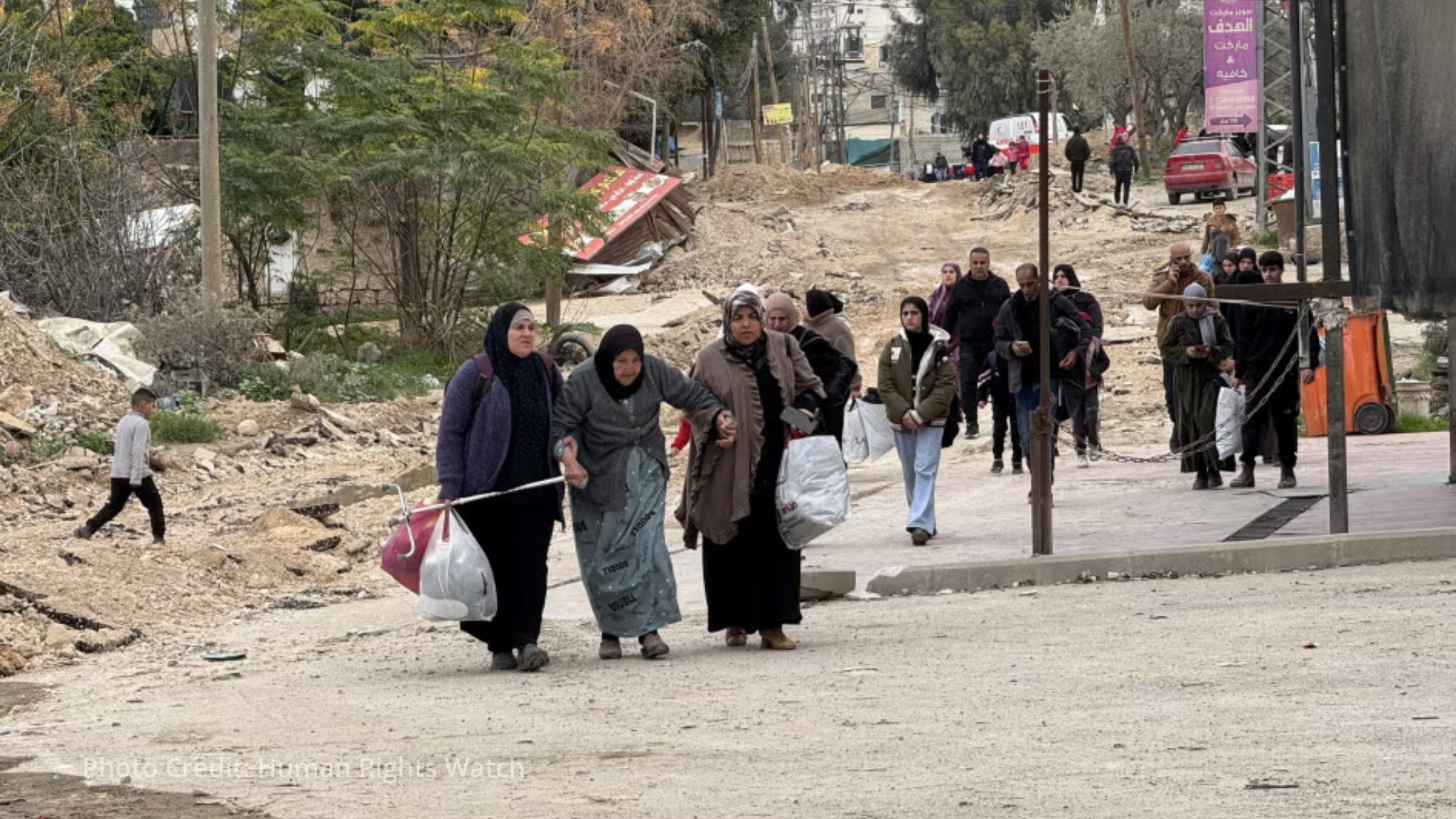
Women and girls across the occupied West Bank are enduring escalating suffering as settler violence, military operations, and movement restrictions have reached their highest levels in two decades, according to a press release by еру United Nations Entity for Gender Equality and the Empowerment of Women (UN Women). A new analysis reveals that women heading households are disproportionately affected by violence, home demolitions, and mobility constraints. UN Women estimates that some 83,200 households in the occupied West Bank are headed by women, representing one in eight households. The organization notes that this figure is likely an underestimate. The findings underscore the daily cycle of hardship shaping women’s lives across the territory.
More than 41,500 people have been displaced, according to OCHA data from July 2026, including over 20,000 women and girls based on gender breakdowns from the Palestinian Central Bureau of Statistics. There are 925 movement obstacles across the occupied West Bank, including staffed checkpoints, road barriers, and trenches. Forty per cent of all checkpoints are located in the H2 area of Hebron city. Women-headed households are more likely to be displaced, with 40 per cent no longer living in their original home, compared to 30 per cent of men-headed households. The scale of restrictions is unmatched in recent decades.
Among women formally recognized as household heads, 82 per cent are responsible for managing household income, 77 per cent for childcare, and 75 per cent make all decisions about household members’ safety. Some 65 per cent handle aid registration alone. Nearly nine in ten women heading households interviewed said that checkpoints make travel feel unsafe, while more than half reported that movement restrictions are blocking their access to livelihoods. Every woman heading a household interviewed reported avoiding checkpoints altogether. Fear of gender-based violence was cited by one in five women household heads, more than double the rate among women living in male-headed households.
One in four women-headed households receives no humanitarian assistance at all, compared to nearly half of male-headed households. Over half of women-headed households with chronic illness report unmet cash needs, two thirds are coping by taking out loans, and half are skipping meals altogether. More than 70 per cent of survey respondents said they had not been consulted over the past year on how, when, or where to deliver aid. Nearly two thirds of women household heads report chronic illness among household members, compared to 41 per cent in male-headed households. More than a quarter of women heading households report having a disability.
UN Women calls for immediate action to end the violence, movement restrictions, and home demolitions in the occupied West Bank, including East Jerusalem, and to protect women and girls, and all civilians, in line with international law. The organization is urging dedicated support for women-headed households that is disability-inclusive and combines livelihoods, social protection, health, shelter, and protection services. UN Women is on the ground in Palestine, working with women-led organizations across the occupied West Bank. Its activities include psychosocial support, protection services, legal assistance, and access to aid. The analysis draws on a representative survey of approximately 800 households across all eleven West Bank governorates, conducted in November and December 2025.