
Add us as your preferred source on Google to see more of our content in Search.
 Add to Preferred Sources
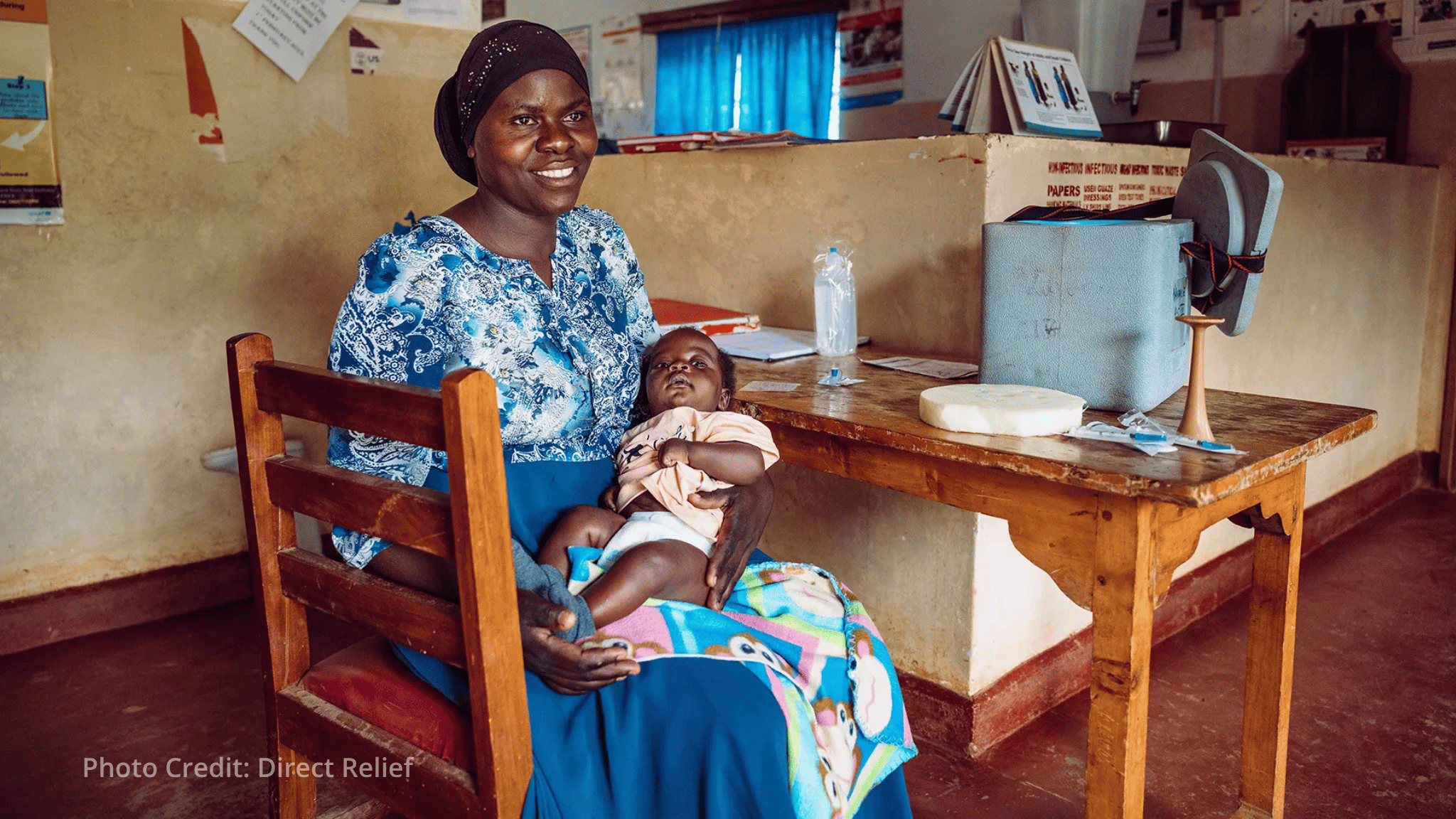
Direct Relief announced a $40 million campaign to support more than 2.5 million safe births worldwide, expanding its long-standing work to equip healthcare providers in resource-limited regions where maternal mortality, stillbirth, and newborn mortality rates remain critically high, according to a press release. The announcement was made by Direct Relief CEO Amy Weaver at the Clinton Global Initiative 2026 Annual Meeting in New York. The campaign will focus on equipping frontline providers, closing resource gaps for local health systems, and strengthening those systems through climate-resilient infrastructure. It marks a scaled-up commitment to maternal and child health. The initiative targets care before, during, and after childbirth.
As of 2023, more than 90 percent of all maternal deaths occurred in low- and middle-income countries, and most could have been prevented, according to the World Health Organization. The majority of these deaths occurred in sub-Saharan Africa. They often result from severe bleeding, infections, pre-eclampsia and eclampsia, and complications from delivery. Midwives serve as essential providers during pregnancy and childbirth, managing routine deliveries and triaging obstetric emergencies. Direct Relief created Midwife Kits, endorsed by the International Confederation of Midwives (ICM), which have equipped providers across 35 countries.
Each kit contains 61 items, including newborn resuscitation tools, baby scales, and magnesium sulfate for preventing eclampsia. Since 2012, Direct Relief has delivered over 6,000 Midwife and Replenishment Kits, facilitating an estimated 300,000 deliveries. The kits have been used in disaster settings, including in northwest Syria after the 2023 Turkey-Syria earthquake and at four partner facilities in Haiti through Konbit Sante, including Hôpital Universitaire Justinien in Cap-Haïtien. Direct Relief has also provided grant funding to increase emergency obstetric services in the Philippines, Nepal, Indonesia, and Haiti. The kits have supported training programs in Nigeria through partners such as the U-VOL Foundation.
“Childbirth should be a moment of possibility, not one where a mother’s survival depends on whether the clinic she reaches has the right medicine or equipment,” Weaver said. “Every woman deserves skilled care, and every provider deserves the tools to deliver it. We want to help make that basic expectation a reality for millions more mothers and babies.”
Direct Relief also developed a Perinatal Health Kit deployed to pilot sites in Bangladesh, Somaliland, Malawi, and Tanzania to treat complications such as preeclampsia, premature birth, infection, and respiratory distress. Its Fistula Repair Module, endorsed by the International Federation of Gynecology and Obstetrics (FIGO), has been shipped to 25 countries.
The commitment signals a ramping up of support for maternal and child health at a time when needs are high and health systems are forced to do more with less, Weaver said.
“A healthy start can change the course of a life,” she said. “Our commitment is not only to a single moment of care, but to the health providers and local systems that women and families rely on before, during, and after childbirth.”
More information about the campaign is available at directrelief.org/firsts. The effort reinforces Direct Relief’s focus on delivering lifesaving equipment and support to frontline health workers worldwide.