
Add us as your preferred source on Google to see more of our content in Search.
 Add to Preferred Sources
CARE supported health centers in Somalia and Somaliland are closing because of funding cuts, leaving displaced families like that of Aisha, a 35-year-old mother of nine living in a camp near Dhahar, without access to free treatment for malnourished children, according to a press release by CARE. Throughout 2026, 50 CARE-supported health centers have closed, and by October CARE expects to close the health center in Dhahar and 10 others in the region. An estimated 500 health facilities in Somalia have shut in recent years because of funding shortages. Across the country, an estimated 6.5 million people are facing acute hunger. Nearly 2 million children are acutely malnourished.
Aisha lives with her nine children in a displacement camp about 2.5 miles outside Dhahar, in an area that is dry and almost desert-like. She fled south-central Somalia years ago after armed groups killed her husband, first reaching Bosasso before settling in Dhahar. The main borehole supplying the camp ran dry weeks ago, and tanker trucks now fill water storage units. One 5-gallon can of water costs about US $0.20, often bought on credit recorded in a debt book. The settlement is home to around 30 displaced households.
Three or four days a week, Aisha’s family does not eat at all. Her three sons, aged 11, 9, and 7, walk to Dhahar each morning to shine shoes, earning about 10 cents per pair and together up to $2.50 on a good day. Aisha, who has diabetes, eats last, if at all. “I give my children [food] first and wait for them to finish. Sometimes there is nothing left, but they are more important than me,” she said.
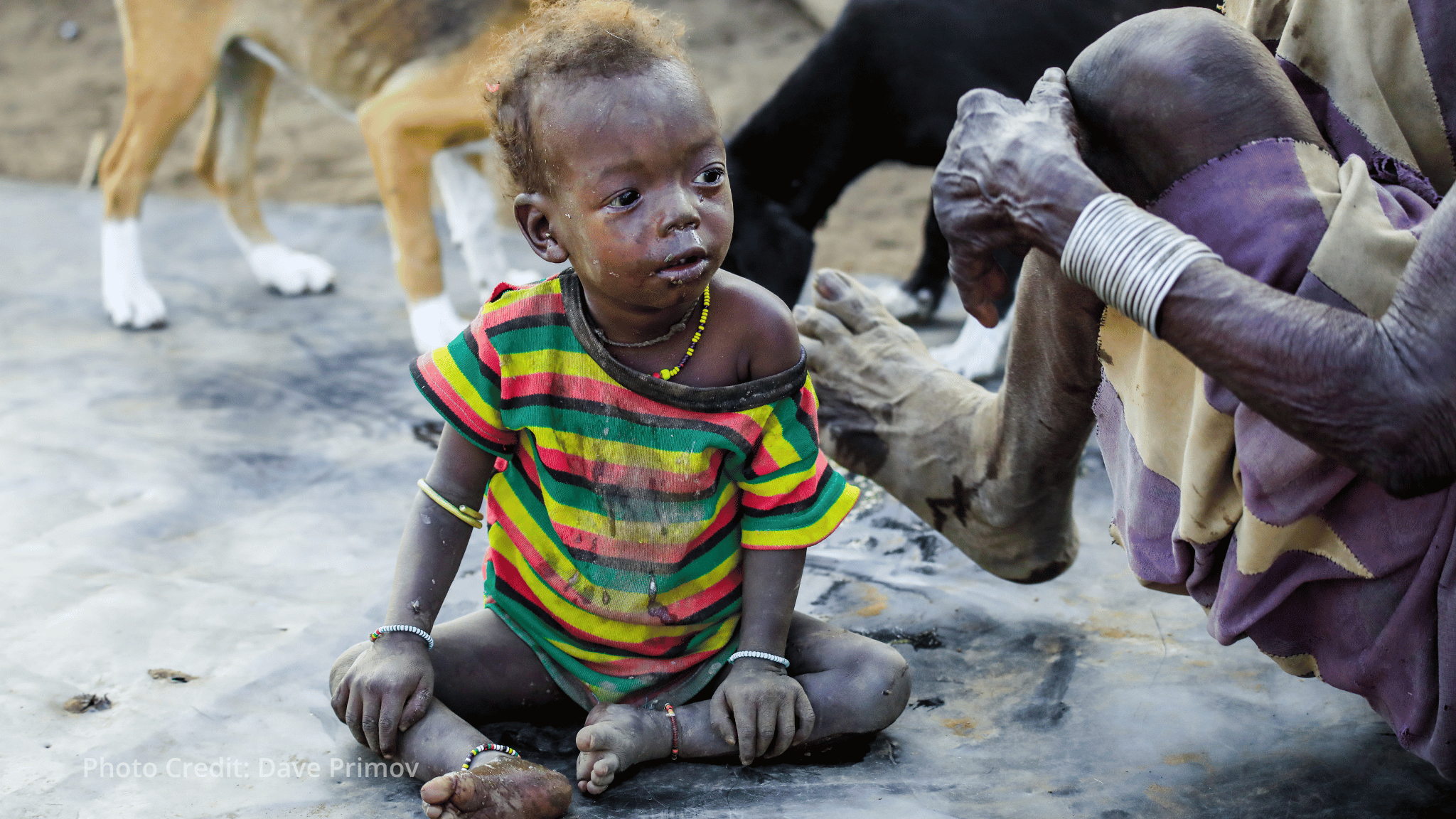
When CARE community health worker Saytuun visited the camp, she screened Aisha’s 1-year-old daughter, Shukri, using the mid-upper arm circumference (MUAC) band and identified severe acute malnutrition. At the CARE health center in Dhahar, staff confirmed the diagnosis; Shukri weighs just 5.9 kilograms, about 13 pounds, compared with a median of roughly 20 pounds under World Health Organization growth standards. She received treatment and Plumpy’Nut, a ready-to-use therapeutic food high in calories, protein, vitamins, and minerals. The facility treating Shukri is set to close at the end of September. No other humanitarian aid organizations work in Dhahar.
CARE’s Dhahar health center recently received medical supplies covering nutrition and medical needs through October, but key staff members are expected to leave to seek new opportunities. Saytuun said she will continue providing treatment for as long as supplies last. CARE has been working in Somalia since 1981, with activities including water and sanitation, food and nutrition security, humanitarian response, and reproductive health. “There will be nothing left for us to survive on that day. That day will be our darkest day,” Aisha said.