
Add us as your preferred source on Google to see more of our content in Search.
 Add to Preferred Sources
UN Emergency Relief Coordinator Tom Fletcher announced on Friday, 2 October 2026, the release of $160 million from the UN Central Emergency Response Fund (CERF) to sustain life-saving assistance across 12 of the world’s most underfunded crises, according to a press release by UN News. The funding, allocated through the UN Office for the Coordination of Humanitarian Affairs (OCHA), aims to reach 87 million people facing the most severe emergencies this year. Fletcher stressed that financial resources alone cannot deliver aid without political cooperation. The announcement highlights persistent access barriers in several conflict zones. It also underscores the UN‘s push to ensure inclusive humanitarian response.
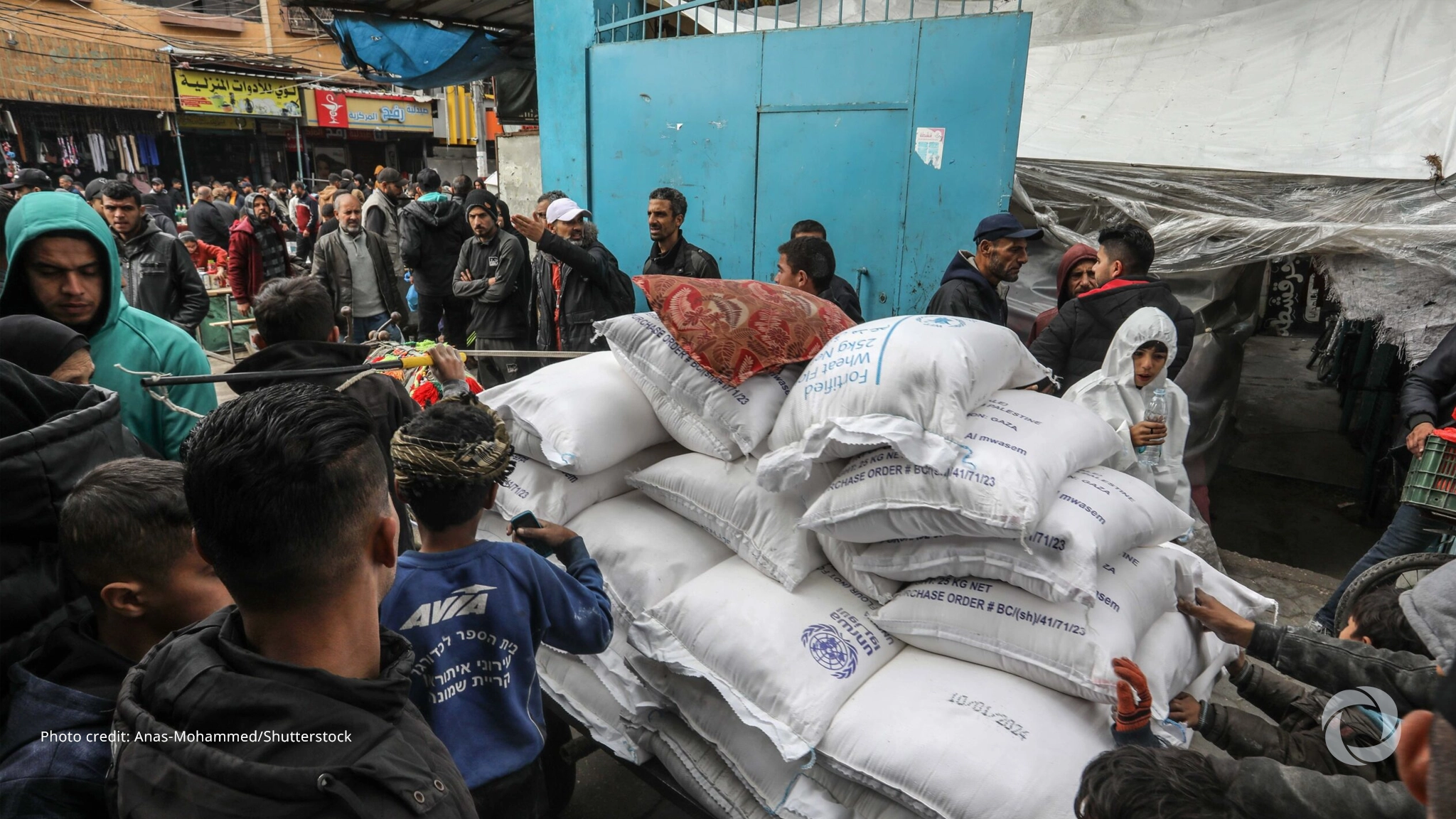
The world’s most overlooked crises risk becoming entirely forgotten, Fletcher warned, as humanitarian needs continue to outpace available resources. Five of the 12 crises — Afghanistan, the Occupied Palestinian Territory, South Sudan, Sudan and Yemen — are among 10 contexts where Fletcher has called for urgent diplomatic action to secure access. Unlocking that access would open the way to assistance for 11 million people. CERF, managed by OCHA, remains one of the fastest funding tools available. Allocations rest on analysis of more than 100 humanitarian indicators and wide consultation with partners.
Of the total package, $150 million comes from CERF and will be distributed across the 12 crises. Afghanistan, the Occupied Palestinian Territory and Yemen will each receive $18 million, while Somalia and Sudan will each get $16 million. South Sudan is allocated $15 million, and Burkina Faso, Mali and Niger will each receive $10 million. Chad will receive $9 million, Cameroon $6 million, and Cuba $4 million. The allocation prioritizes contexts where humanitarian needs remain severe and funding gaps persist.
A further $10 million has been set aside specifically for people with disabilities in the same 12 crises, ensuring that aid reaches them and works for them. CERF is teaming up with the UN Global Disability Fund, which will add up to $4 million in funding and technical support through its Inclusion Catalyst Hub. Part of that will go towards strengthening local organizations of people with disabilities and their role in the response.
“Today’s new funding will help us get aid to people who might otherwise be left behind. But money alone won’t get us there: leaders must exercise political will to open access, remove obstacles and help us reach people whose lives are on the line,” Fletcher said.
Friday’s release brings total CERF allocations in 2026 to $483 million. Since the General Assembly established the fund in 2005, CERF has channelled some $10.2 billion to hundreds of millions of people in more than 117 countries and territories. Contributions have come from 135 Member States and observers, along with private donors and individuals. The fund’s annual funding target stands at $1 billion. Fletcher reiterated that with 87 million people to reach, there is “no time to waste.”