
Add us as your preferred source on Google to see more of our content in Search.
 Add to Preferred Sources
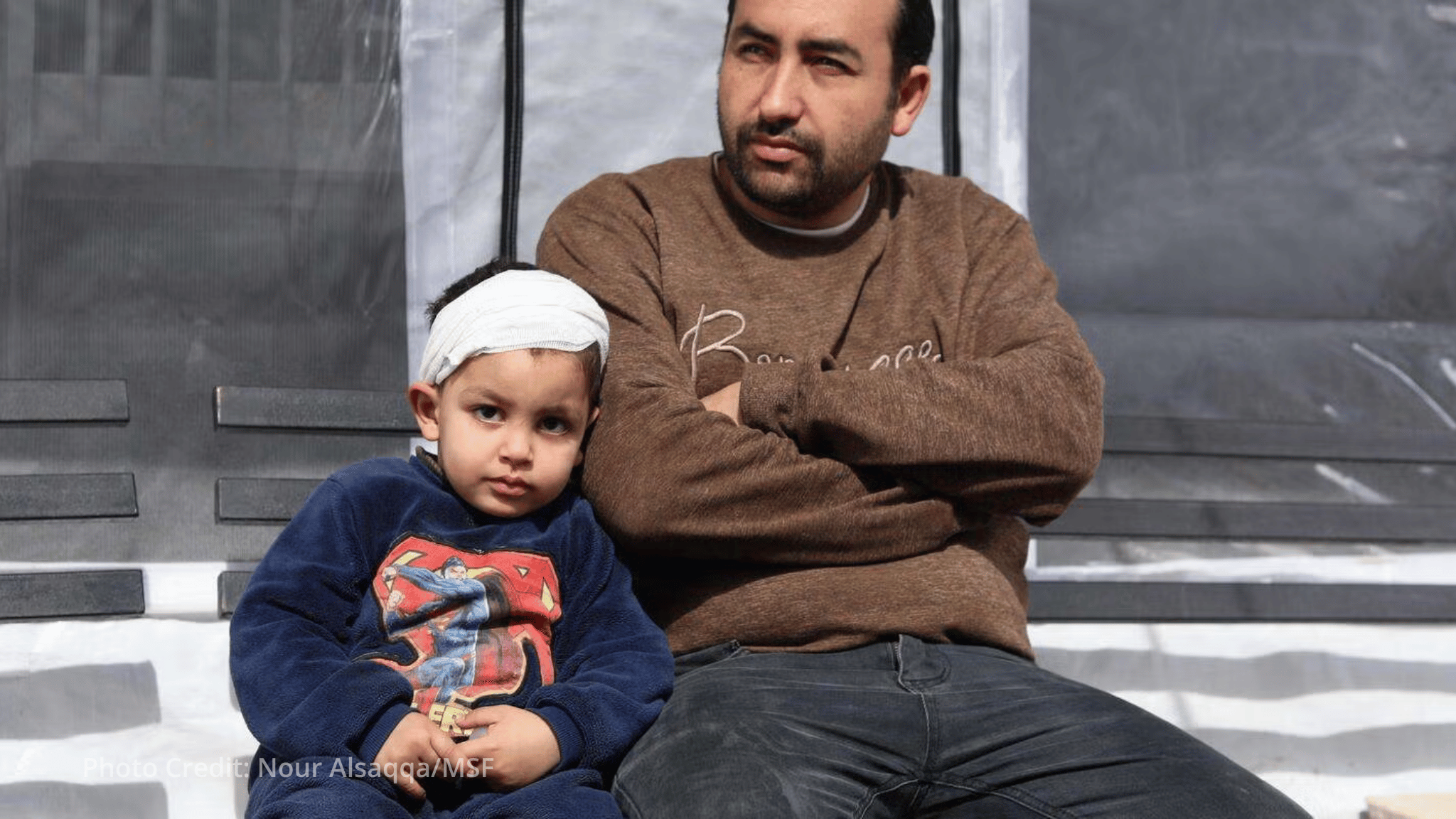
Doctors Without Borders/Médecins Sans Frontières (MSF) warned on October 5, 2026 that three years after the escalation of war in Gaza and one year into the so-called ceasefire, Israeli authorities and security forces continue to systematically destroy the conditions people need to survive, according to a press release by the organization. Palestinians continue to be killed, injured, and forcibly displaced as violence persists across the Strip. The health care system lies in ruins, while supplies and aid are being blocked from reaching those who need them most. MSF said medical facilities, hospitals, and essential infrastructure are collapsing under the weight of restrictions. The organization called on governments to act to stop the destruction and killing.
The war in Gaza escalated on October 7, 2023, when Hamas-led militants attacked Israel, killing some 1,200 people and taking 251 others hostage. Since then, the Israeli military offensive in Gaza has killed more than 74,000 people, including more than 20,000 children, according to Gaza’s Ministry of Health. Over the past three years, people’s ability to access health care in Gaza has deteriorated dramatically. Hospitals are increasingly running out of basic supplies, and patients are unable to access essential medicines and treatments. Restrictions on items such as engine oil and spare parts are also crippling the infrastructure needed to keep hospitals, ambulances, and water systems running.
Compounding these conditions is the establishment of Israel’s “yellow line,” originally presented as a temporary, first-phase military withdrawal position and a key part of maintaining the so-called ceasefire. It is now reinforced by military positions, berms, and ongoing demolitions, and has continued to move west. This has squeezed people into a smaller area — 35 percent of the Strip — as Israeli forces now occupy the rest. Gazans risk being shot by Israeli forces when they approach the line, and MSF teams continue to treat people with gunshot wounds sustained nearby. MSF water trucking has had to stop when shooting occurs near communities living close to the yellow line.
Violence is not confined to the areas around the yellow line. In June and July alone, MSF teams treated more than 1,200 cases of violent trauma across Gaza, including blast injuries, burns, gunshot wounds, and injuries from physical assault. Over the past three years, MSF teams have treated more than 200,000 trauma cases.
“The yellow line cannot be treated simply as a line on a map,” said Amande Bazerolle, MSF head of emergency response in Gaza. “It has become a mechanism of encirclement and ethnic cleansing, while cutting communities off from the infrastructure, health care, water, and other essentials they need to survive.”
Families are being pushed into overcrowded and unlivable conditions, without sufficient access to clean water, sanitation, shelter, or health care. MSF teams have treated more than 11,000 cases of skin diseases like scabies this year alone, and more than 1,500 cases of chickenpox in June and July. MSF distributed around 550,000 gallons (2.1 million liters) of drinking water per day in August, yet needs far exceed what can be delivered under current restrictions. MSF currently runs or supports health services in 13 locations across north, south, and central Gaza. Bazerolle warned that “it will take generations to recover from the harm that has already been done over the past three years, and in the preceding decades.”