
World Bank calls for trade facilitation and road transport reform along the Middle Corridor | Report
Add us as your preferred source on Google to see more of our content in Search.
 Add to Preferred Sources
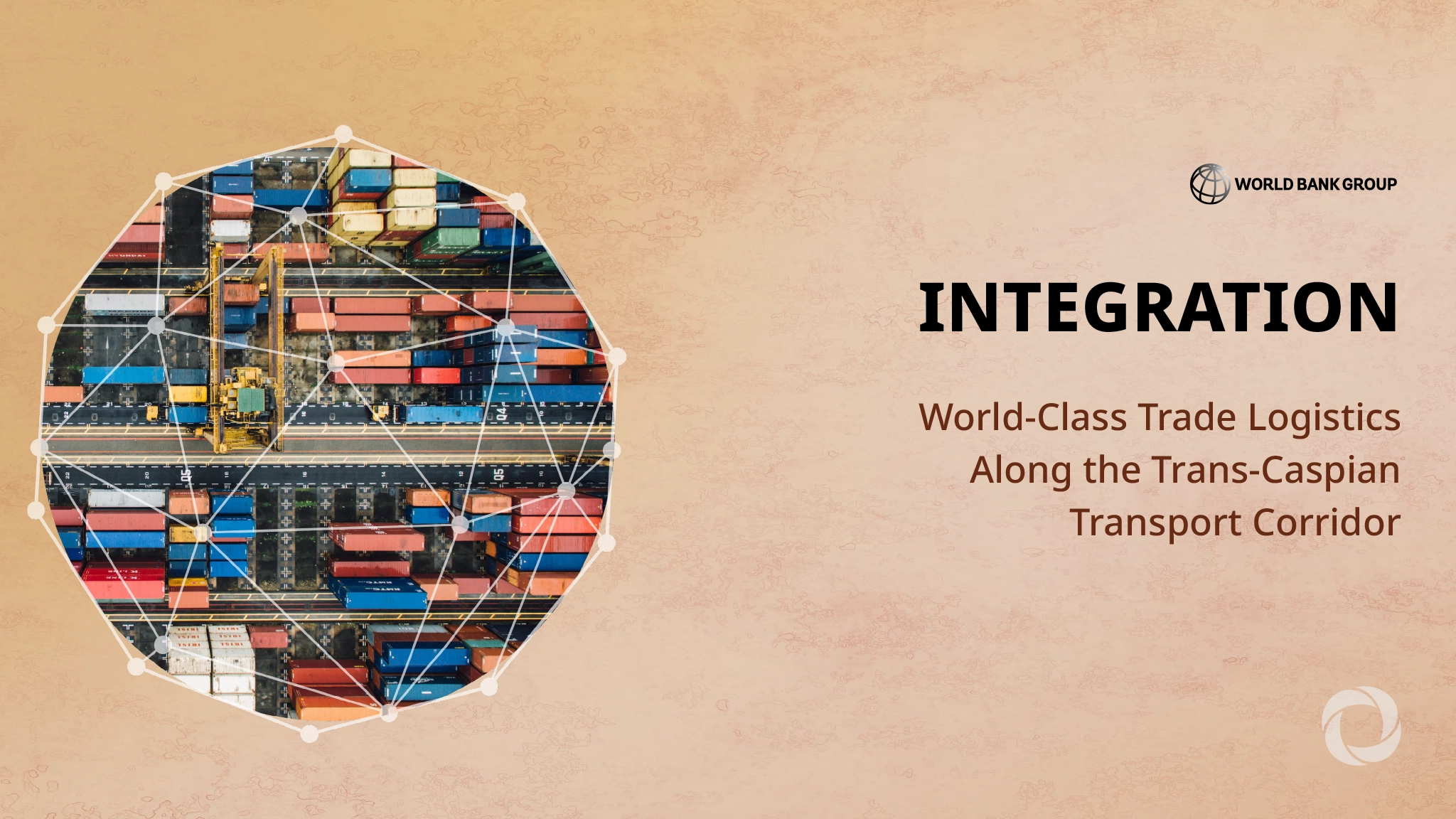
The World Bank has released a new report urging that infrastructure investment along the Middle Corridor be matched by trade facilitation, digitalization, and road transport reform, according to a press release issued by IRU on 7 October 2026. The report sets out the scale of investment required to transform the route into a true economic corridor. It emphasizes that physical works alone will not deliver the corridor’s full potential. Operational and non-infrastructure improvements are identified as among the biggest remaining challenges. The findings carry direct implications for governments, authorities, and industry stakeholders across the region.
According to the report, targeted investment and reforms could quadruple trade volumes along the Middle Corridor by 2040. They could also cut travel times by two-thirds, lift regional GDP by 3.3%, and create 2 million jobs. Realizing that potential will require at least USD 25 billion in physical infrastructure investment. Around USD 30 billion more will be needed in “enabling investments,” including connecting roads and rail links, logistics hubs, inland terminals, equipment, and digital systems. The World Bank frames these figures as the baseline for corridor-wide transformation.
From infrastructure to facilitation
The World Bank highlights the need to reduce border delays and simplify documentation across the corridor. It also calls for stronger cross-border cooperation among participating countries. A key recommendation is to move toward a single digital corridor system for transport, transit, and trade data. These priorities closely reflect IRU’s ongoing work along the Middle Corridor. UN trade and transport facilitation instruments remain central to making cross-border transport faster and more predictable.
Reforming road transport
The report reinforces the importance of professional, efficient road transport services connecting the corridor to local economies and providing the first and last mile. The updated IRU–World Bank road transport reform guidelines offer governments a practical framework to modernize road transport. The framework covers market access, professional training and certification, international standards, enforcement, and regulatory reform. IRU is applying these principles through the EU-funded Modernising Road Transport program across Central Asia and other regions. The program strengthens professionalization, regulatory harmonization, digital transport documents, border processes, and TIR compliance.
The World Bank concludes that “the Middle Corridor’s success will depend on both financial investment and how effectively countries, authorities and the industry work together.” Time lost at borders remains one of the biggest barriers to the corridor’s competitiveness. Facilitation and cooperation must therefore advance alongside infrastructure investment. Pathways to reforms will be central to the upcoming IRU–UN-OHRLLS event in Astana, Kazakhstan, on October 14. The event is titled “Advancing the Awaza Programme of Action: Building a Professional and Resilient Road Transport Industry for Greater Connectivity and Competitiveness.”